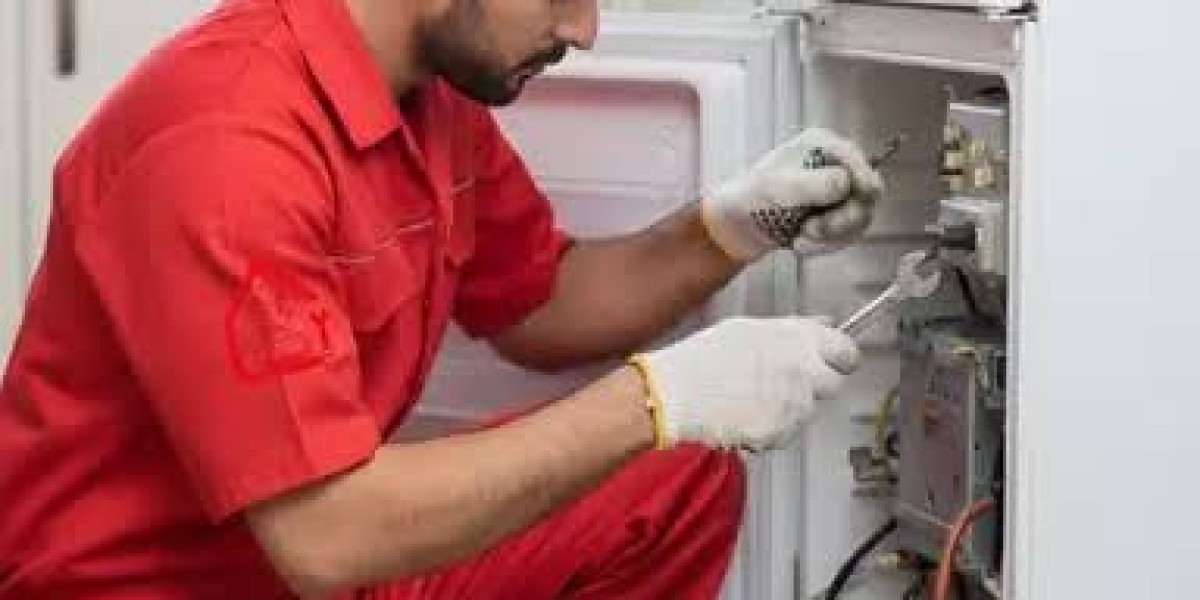

A freezer should never give you an electric shock. If you feel a tingling sensation or receive an actual shock when touching your freezer, refrigerator, or another metal appliance, there may be an electrical safety problem that needs immediate attention. Older Brooklyn homes can have outdated wiring, damaged outlets, or missing grounding connections that increase the risk of electrical faults. Professional grounded appliance repair Brooklyn ny can help identify appliance-related electrical problems and determine whether the issue requires an appliance technician or a qualified electrician. At Bartley Appliance Repair, experienced technicians provide professional appliance diagnostics and repair services to help homeowners maintain safe and reliable appliances.
Why Is My Freezer Giving Me an Electric Shock?
An appliance that delivers even a mild shock should not be ignored. A freezer can develop electrical leakage when insulation, wiring, internal components, or grounding connections become damaged.
Some common causes include:
Damaged power cords
Faulty internal wiring
Defective electrical components
Damaged grounding connections
Moisture around electrical components
Faulty outlets
An ungrounded outlet appliance connection
Improper previous electrical modifications
The sensation may range from a mild tingling feeling to a stronger shock. Regardless of severity, electrical current passing through the appliance cabinet can create a serious safety hazard.
If you experience an electric shock from fridge or freezer, stop using the appliance and disconnect it from power only if doing so can be done safely. Do not continue touching the appliance to test whether the problem has disappeared.
How Grounding Protects You
Grounding provides a safe path for unwanted electrical current to travel away from exposed metal surfaces and toward the electrical system's grounding path.
Modern appliances are designed with grounding features to reduce the risk of electric shock. When an electrical fault occurs, the grounding system can help protective devices such as circuit breakers or ground fault protection respond appropriately.
Without proper grounding, fault current may remain on an appliance's metal cabinet.
This is especially concerning with refrigerators and freezers because they are often located near:
Kitchen sinks
Water lines
Damp floors
Metal plumbing
Other grounded surfaces
Contact between a person and a faulty appliance in a damp environment can increase the potential danger.
Why Older Brooklyn Homes May Have Grounding Problems
Older properties may contain electrical systems that were installed before modern grounding requirements became common.
A Brooklyn older home appliance fix may therefore involve more than simply replacing a damaged appliance component. The appliance itself may be functioning normally while the electrical supply creating the problem is outdated or improperly modified.
Potential concerns in older properties include:
Two-Prong Outlets
Some older homes still contain two-slot outlets that do not provide the same grounding arrangement as modern three-prong outlets.
A three-prong appliance should not simply be connected through an improper adapter or modified plug.
Outdated Wiring
Aging wires can develop deteriorated insulation, loose connections, or other faults.
Improper Outlet Modifications
Previous renovations may have resulted in outlets being replaced without properly updating the underlying wiring.
Missing Ground Connections
A modern appliance may have a grounding conductor, while the building's electrical system may not provide a properly connected grounding path.
These issues require careful inspection rather than trial-and-error repairs.
Signs of an Appliance Grounding Problem
An electric shock is the most obvious warning sign, but other symptoms may also indicate an electrical problem.
Watch for:
Tingling when touching the freezer cabinet
Small shocks when touching the refrigerator
Sparks around the plug or outlet
Burning smells
Discolored outlets
Warm power cords
Repeated circuit breaker trips
Flickering lights when the appliance starts
Unusual buzzing from the outlet
A loose plug connection
If several of these symptoms occur together, discontinue use and arrange for professional appliance electrical diagnosis.
What Causes Electrical Leakage in a Freezer?
A freezer contains several electrical components that can potentially develop faults over time.
Damaged Power Cord
A cracked, pinched, or worn power cord can expose wiring or create an unsafe electrical connection.
Never operate an appliance with visibly damaged wiring.
Faulty Compressor
The compressor is one of the most important components in a freezer. Electrical faults within the compressor can sometimes cause abnormal current leakage or repeated breaker trips.
Defective Start Components
Start relays, capacitors, and related electrical components can fail as appliances age.
Damaged Internal Wiring
Vibration, heat, moisture, and years of operation can contribute to wiring deterioration.
Moisture Exposure
Freezers naturally produce condensation and may occasionally experience water leaks. Moisture near electrical components can create dangerous conditions.
A professional technician can perform professional appliance diagnosis to determine whether the electrical problem originates inside the appliance.
Appliance Problem or House Wiring Problem?
This distinction is extremely important.
Sometimes the freezer is faulty. In other cases, the freezer is working correctly but is connected to an unsafe electrical circuit.
A qualified appliance technician can inspect the appliance, power cord, and appliance-specific electrical components. However, problems involving the home's wiring, electrical panel, grounding system, or outlet should be evaluated by a qualified electrician.
For example, an ungrounded outlet appliance connection may create a dangerous situation even when the freezer itself has no internal defect.
Avoid replacing outlets or modifying electrical wiring yourself simply to make a freezer plug fit.
What to Do If Your Freezer Shocks You
Electrical shocks require a cautious response.
Stop Using the Appliance
Do not continue operating a freezer that is giving you an electrical shock.
Keep Away From the Appliance
Prevent children and other household members from touching the appliance until the source of the problem has been evaluated.
Avoid Improvised Repairs
Do not use adapters, extension cords, makeshift grounding wires, or other temporary solutions to eliminate the sensation.
Arrange Professional Inspection
A trained appliance technician can determine whether the appliance has an internal electrical fault.
If the problem appears to involve the outlet or household wiring, contact a qualified electrician.
These steps are essential for safe freezer usage and can help prevent a potentially serious electrical accident.
Why DIY Grounding Repairs Can Be Dangerous
Electrical troubleshooting is not the same as ordinary appliance maintenance.
Cleaning condenser coils or replacing an accessible filter may be appropriate homeowner maintenance, but diagnosing grounding faults can involve energized circuits and electrical measurements.
Attempting to repair grounding problems without the appropriate knowledge can result in:
Electric shock
Electrical burns
Appliance damage
Circuit damage
Fire hazards
Improper grounding
Damage to other electrical equipment
A grounding wire should never be attached to a random pipe, radiator, appliance component, or other object as a makeshift solution.
Professional appliance troubleshooting helps determine the actual source of the problem instead of masking the symptom.
How Professional Appliance Technicians Diagnose Freezer Problems
A professional repair process starts with identifying the source of the electrical fault.
Depending on the situation, a technician may inspect:
Power cords
Electrical connections
Compressor components
Start relays
Capacitors
Internal wiring
Control boards
Grounding connections within the appliance
Signs of moisture damage
Other appliance-specific electrical components
The technician can then determine whether the freezer requires an appliance repair technician or whether the electrical supply should be evaluated by an electrician.
This distinction prevents unnecessary appliance replacement when the real problem exists elsewhere.
Protecting Appliances in Older Brooklyn Homes
Homeowners in older properties can take several precautions to improve appliance safety.
Inspect Outlets Regularly
Look for cracks, discoloration, looseness, or signs of overheating.
Avoid Extension Cords for Major Appliances
Freezers and refrigerators should generally be connected to an appropriate dedicated electrical supply rather than relying on unsuitable extension cords.
Keep Electrical Areas Dry
Do not allow water to accumulate around appliance plugs, outlets, or electrical components.
Replace Damaged Cords
A damaged power cord should not be repaired with electrical tape as a permanent solution.
Have Older Electrical Systems Evaluated
If your home has outdated wiring or questionable outlets, a qualified electrician can evaluate the electrical system and recommend appropriate upgrades.
Other Appliances That Can Develop Electrical Problems
Freezers are not the only household appliances that can experience electrical faults.
Refrigerator Repair Brooklyn
Refrigerators contain compressors, fans, control boards, lights, sensors, and other electrical components. Professional refrigerator repair Brooklyn can address appliance-specific electrical and mechanical problems.
Washer Repair Brooklyn
Washing machines combine electricity and water, making electrical safety particularly important. Professional washer repair Brooklyn can identify faulty components, wiring problems, and other appliance-related faults.
Dryer Repair Brooklyn
Dryers use powerful heating systems and electrical components. Dryer repair Brooklyn can address heating failures, damaged wiring, control issues, and other problems affecting safe operation.
Dishwasher Repair Brooklyn
Because dishwashers operate with both water and electricity, electrical faults should never be ignored. Professional dishwasher repair Brooklyn helps restore reliable and safe operation.
Oven Repair Services
Heating elements, thermostats, control boards, and wiring can all develop faults. Professional oven repair services can identify appliance-specific electrical problems.
Stove Repair Services
Burner switches, ignition components, wiring, and control systems may require professional attention through stove repair services.
When to Schedule Grounded Appliance Repair
Contact a professional when you notice:
Repeated electrical shocks
Tingling from the freezer cabinet
Breakers repeatedly tripping
Burning smells
Damaged power cords
Sparks or visible electrical damage
A freezer that stops working after an electrical event
Signs of internal wiring damage
Professional grounded appliance repair brooklyn ny can help determine whether the appliance itself is responsible for the problem and whether additional electrical evaluation is necessary.
Why Professional Diagnosis Matters
Electrical problems can be difficult to identify because the visible symptom may not reveal the actual cause.
A freezer may shock you because of an internal component, a damaged cord, moisture intrusion, or an issue with the electrical supply. Replacing one component without identifying the underlying fault may leave the safety problem unresolved.
Professional technicians use appropriate diagnostic procedures to distinguish appliance failures from building electrical problems.
At Bartley Appliance Repair, trained professionals focus on accurate appliance diagnosis and dependable repairs while recognizing when an electrical system issue requires a qualified electrician.
FAQ
Is it normal for a freezer to give a small electric shock?
No. A freezer should not give you an electric shock or noticeable tingling sensation. Stop using the appliance and have the issue professionally evaluated.
Can an ungrounded outlet cause a freezer to shock you?
Yes. An ungrounded outlet appliance connection can create a serious safety concern, particularly if an appliance develops an electrical fault. The home's electrical system should be evaluated by a qualified electrician.
Why does my refrigerator give me a mild shock?
An electric shock from fridge symptoms may be caused by an appliance electrical fault, damaged wiring, moisture, or an issue with the outlet or grounding system.
Should I repair a grounding problem myself?
No. Improper grounding repairs can create additional shock and fire hazards. Appliance-specific problems should be handled by a qualified appliance technician, while household wiring and grounding issues should be addressed by a qualified electrician.
How can I improve safe freezer usage?
Use a properly installed electrical connection, keep the area dry, inspect cords and outlets for visible damage, avoid makeshift grounding solutions, and stop using the appliance if you experience shocks or other electrical warning signs.
Can older homes cause appliance electrical problems?
Older homes may have outdated wiring, older outlets, or electrical systems that do not provide the same grounding arrangements expected by modern appliances. A professional inspection can determine whether the issue is related to the appliance or the home's electrical system.