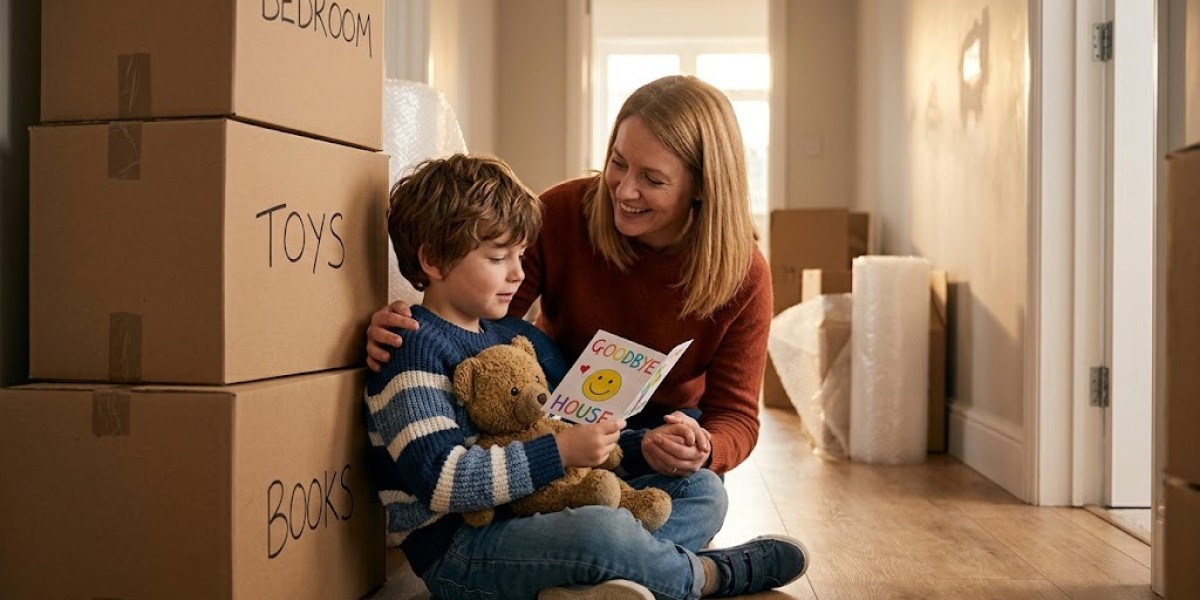

Moving to a new home can be an exciting new chapter for adults, but for children, it can also bring big emotions. A house is more than just a building in a child's eyes. It may be the place where they learned to walk, celebrated birthdays, made friends, built blanket forts, and created countless everyday memories. Saying goodbye to all of that can feel confusing, sad, or even frightening.
While planning the practical side of a move, such as hiring a local moving company san jose , packing boxes, and organizing transportation, it is equally important to think about how your children are handling the transition. Giving kids the emotional support they need can make the moving experience feel less overwhelming and help them approach their new home with greater confidence.
The good news is that parents can do many simple things to make saying goodbye easier. You do not need to make the experience perfect or convince your child to feel excited every moment. Instead, the goal is to acknowledge their feelings, preserve meaningful memories, and help them see that moving forward doesn't mean leaving everything they love behind.
Understand Why Saying Goodbye Can Be Difficult for Kids
Children often form strong emotional connections with familiar places. Their home represents comfort, routine, and security. Even younger children who do not fully understand the reasons for moving can sense that something important is changing.
Older children may worry about leaving behind friends, neighbors, schools, or favorite places in the community. Younger children may be more concerned about simple things, such as where they will sleep, whether their toys will come with them, or whether their new bedroom will feel safe.
Every child reacts differently. Some may seem excited about the move, while others become quiet, emotional, or resistant. A child may even experience several emotions at once. They can be happy about getting a new room while also feeling sad about leaving the old one.
The most helpful thing parents can do is avoid dismissing those emotions. Statements such as “You'll be fine” or “There's nothing to be sad about” may be well-intentioned, but they can make children feel that their feelings are not understood.
Instead, let them know it is okay to feel sad.
Talk About the Move Early and Honestly
If possible, tell your children about the move as soon as the decision is final. Waiting until the last minute can make the change feel sudden and frightening.
Explain the move in language that matches your child's age. You do not need to overwhelm them with every financial, logistical, or adult-related detail. Focus on what the change means for them and what they can expect.
For example, you can talk about:
- When the move will happen
- What their new home will be like
- Whether they will have their own room
- What will happen to their belongings
- How they can stay connected with old friends
- What new opportunities they may have
Encourage questions and answer them honestly. If you don't know the answer to something yet, it is perfectly fine to say so.
Open communication helps children feel included rather than feeling as though a major life change is simply happening to them.
Give Your Child Permission to Feel Sad
Parents naturally want their children to be happy, so it can be tempting to focus entirely on the exciting parts of moving. While positivity is helpful, forcing excitement can sometimes make children feel guilty for being sad.
Let your child know that missing their old home is normal .
You might say:
"I know you have a lot of memories here. It makes sense that saying goodbye feels difficult."
This type of response validates their emotions without making the situation more dramatic.
Listen when they want to talk, but don't pressure them to have deep conversations if they are not ready. Some children process emotions through talking, while others may express themselves through drawing, playing, writing, or simply spending quiet time with family.
The important thing is to create an environment where they know their feelings are welcome.
Create a Special Goodbye Ritual
A goodbye ritual can give children a sense of closure. Leaving a home suddenly can feel unfinished, especially for kids who have spent many years there.
Your goodbye ritual does not need to be complicated. It simply needs to be meaningful.
Here are a few ideas:
Take Photos Around the House
Walk through the home together and take pictures in meaningful places. Photograph their bedroom, the backyard, the kitchen, and any other spots connected to special memories.
You can later create a small photo album or digital collection that your child can revisit whenever they want.
Make a Memory Book
Invite your child to create a memory book about the home. They can include:
- Photos
- Drawings
- Favorite memories
- Funny stories
- Names of neighbors and friends
- Things they loved about the house
This activity reminds children that memories do not disappear simply because they are leaving the physical space.
Have One Last Favorite Meal
Order food from a favorite local restaurant or cook a family meal everyone loves. Sit together and share favorite memories from the home.
You could ask everyone to answer questions such as:
- What is your happiest memory here?
- What will you miss the most?
- What is something funny that happened in this house?
A simple family conversation can turn the final days in the home into a meaningful experience.
Let Kids Say Goodbye to Their Favorite Places
Your child may have connections outside the house as well. Their favorite park, a neighbor’s home, a nearby ice cream shop, or their school playground may all be part of their daily life.
If time allows, visit some of these places before moving.
Let your child say goodbye to close friends and neighbors. Taking photos together or exchanging contact information can make the separation feel less permanent.
For older children, encourage them to make a plan for staying in touch. Video calls, messages, online games, and occasional visits can help maintain important friendships.
Knowing that they do not have to completely lose the people they care about can make the transition much easier.
Give Them Some Control Over the Moving Process
Moving often involves adults making decisions while children simply follow along. Giving kids small choices can help them feel more involved and secure.
Depending on their age, you might let them:
- Choose the color or theme of their new bedroom
- Decide which toys travel with them personally
- Help pack a special box
- Choose where certain decorations will go
- Pick a family activity for the first week in the new neighborhood
These decisions may seem small, but they can make a big emotional difference.
Children often cope better with change when they feel that they have some level of control.
Pack a “First Night” Comfort Box
One of the most stressful parts of moving for children can be the first night in a new and unfamiliar place.
Prepare a special box or bag that stays easily accessible during the move. Include comforting and familiar items such as:
- A favorite stuffed animal
- Pajamas
- A favorite blanket
- Books
- Snacks
- Small toys
- Nightlights
- Familiar toiletries
Having these items available immediately can help the new house feel less unfamiliar.
Try to set up your child’s sleeping area early so they have one comfortable space that feels like their own.
Avoid Packing Away Everything Too Soon
While it may be tempting to pack the house as quickly as possible, suddenly removing all familiar objects can make children feel unsettled before the move even happens.
Whenever possible, keep a few comforting items available until the final days. This might include their favorite toys, books, blankets, or bedroom decorations.
A completely empty home can make the goodbye process feel more intense.
Allowing children to maintain some normal routines can provide emotional stability during a busy and often chaotic time.
Help Them Look Forward Without Rushing Them
It is helpful to build excitement about the new home, but avoid using excitement as a way to erase sadness.
Both emotions can exist together.
Talk about things your child may enjoy in the new area. Explore nearby parks, activities, restaurants, or attractions. If possible, visit the neighborhood before moving day so the new environment feels more familiar.
You can also create a list called “Things We’re Excited to Try.”
Include ideas such as:
- Exploring a new park
- Finding a favorite restaurant
- Decorating a new bedroom
- Meeting neighbors
- Trying a new family activity
This gives children something positive to anticipate while still respecting the fact that they may miss their old home.
Keep Important Routines Consistent
During a move, almost everything can feel different at once. Boxes are everywhere, schedules change, and parents may be busier than usual.
That is why maintaining familiar routines can be especially valuable.
Try to keep regular routines around:
- Bedtime
- Meals
- Reading together
- Family conversations
- Weekend activities
Even if your schedule cannot remain perfect, a few consistent routines can provide children with a sense of stability.
After moving, reestablish familiar habits as quickly as possible.
Give the Adjustment Process Time
Some children settle into a new home quickly. Others need weeks or even months to feel completely comfortable.
Do not expect your child to immediately love the new house.
Continue checking in with them after the move. Ask how they are feeling, what they like about the new home, and what they still miss about the old one.
Sometimes children need reassurance that missing their previous home does not mean they dislike their new life.
With time, new routines, friendships, and experiences will begin creating new memories.
Turn the New House Into a Home Together
One of the best ways to help children emotionally transition is to involve them in creating memories in the new space.
Start small.
Have a family movie night. Cook a favorite meal. Explore the neighborhood. Take photos in front of the new home. Create a new tradition that belongs specifically to this chapter of your family’s life.
A home becomes meaningful through the experiences people share inside it.
The old house will always be part of your child’s story, but that does not prevent the new home from becoming special too.
Final Thoughts
Helping kids say goodbye to their old home is not about convincing them that they shouldn't feel sad. It is about giving them the space to process their emotions while helping them feel secure about what comes next. Through honest conversations, meaningful goodbye rituals, family routines, and opportunities to participate in the move, parents can make a major life transition feel much more manageable. Moving may mark the end of one chapter, but it also creates space for new memories, friendships, and experiences. With thoughtful planning and support from professionals such as Brother Movers , families can focus less on the stress of the transition and more on helping every family member feel comfortable stepping into their new beginning.