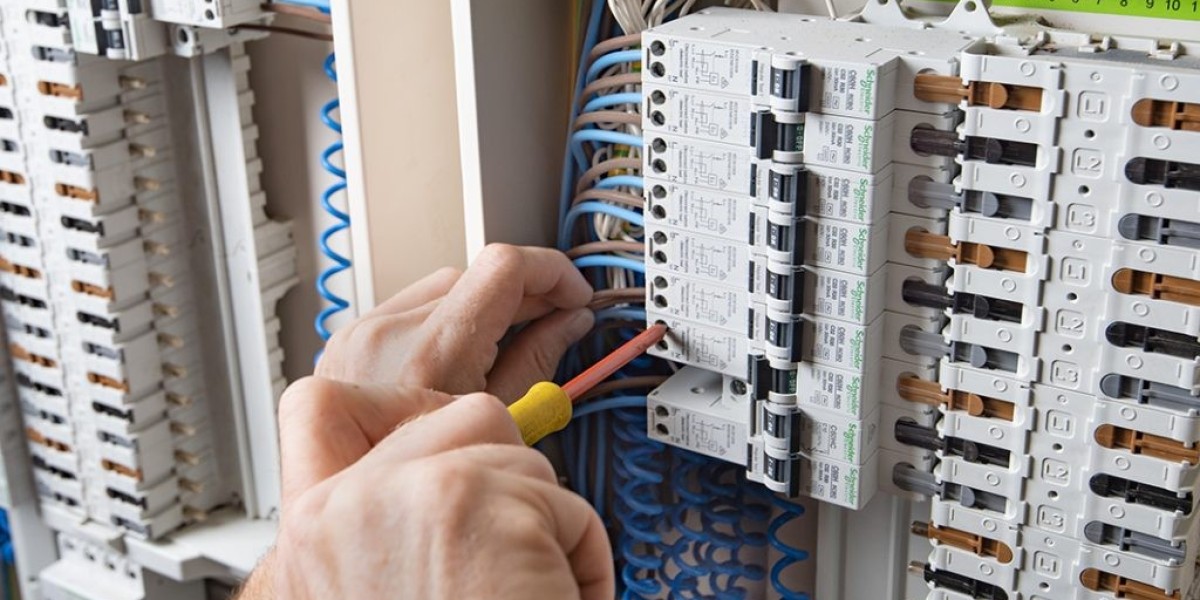

Before arranging EICR in Croydon , managers should review property details, electrical records, access arrangements, and tenant requirements. Proper preparation helps inspections proceed efficiently while supporting electrical safety obligations.Property managers have important responsibilities when maintaining safe rental properties. Electrical systems require regular attention, inspection, testing, and appropriate documentation.
An Electrical Installation Condition Report assesses the condition of electrical installations within residential properties. Property managers should understand what the inspection covers before making arrangements. Good preparation reduces delays and helps inspectors identify electrical EICR issues in Croydon efficiently. It also supports better communication between managers, landlords, tenants, and qualified professionals.
Review Existing Electrical Documentation
Property managers should first locate previous electrical inspection reports and related maintenance records. These documents provide useful information about previous electrical conditions. They may also identify earlier defects, recommended improvements, or outstanding remedial work. Reviewing these records helps managers understand the property's current electrical history.
Previous reports can highlight recurring problems within specific circuits or electrical installations. Managers should check whether earlier recommendations were completed properly. Any unresolved observations deserve particular attention before arranging another inspection. Keeping organised records also makes future compliance management considerably easier for property management teams.
Confirm the Property's Electrical Installation Details
Managers should understand the property's basic electrical arrangement before scheduling an inspection. This includes identifying the consumer unit, distribution boards, fixed wiring, sockets, switches, and lighting circuits. Understanding these elements helps managers communicate accurate information about the property's electrical installation.Older properties may contain electrical installations requiring closer examination during testing. Previous modifications can also create differences between original and newer electrical components. Managers should mention known alterations when arranging the inspection. Clear information helps the inspector prepare appropriately for the property's circumstances.
Check Access Requirements Before Booking
Access is one of the most important practical considerations for property managers. Inspectors need suitable access to electrical equipment, rooms, circuits, and relevant installation points. Managers should identify areas requiring entry before confirming an appointment. This prevents unnecessary delays during the inspection process.Rental properties can have occupied bedrooms, storage areas, locked cupboards, or restricted spaces. Property managers should communicate access requirements clearly with tenants. Appropriate notice should also be provided where tenant access is necessary. Better coordination helps inspections remain organised and respectful.
Consider Tenant Communication
Tenant communication should form part of the preparation process before electrical inspections. Residents need clear information about appointment dates, expected access requirements, and potential interruptions. Good communication reduces confusion and helps tenants cooperate with inspection arrangements.Property managers should explain that electrical testing may require temporary power interruptions. Certain appliances may need to be switched off during testing. Tenants should receive practical instructions before the inspector arrives. This preparation can reduce disruption and prevent avoidable misunderstandings.
Identify Visible Electrical Problems
Property managers should conduct a basic visual review before arranging the inspection. They should look for obvious damage affecting sockets, switches, cables, consumer units, or accessories. Visible defects may indicate underlying electrical problems requiring professional attention.Managers should never attempt electrical repairs unless appropriately qualified. Their role involves identifying concerns and arranging competent professional assessment. Damaged accessories should be recorded and communicated before inspection. Early awareness allows inspectors to pay appropriate attention during testing.
Check Previous Remedial Work
Previous remedial work should be reviewed carefully before arranging another electrical inspection. Property managers should establish which defects were previously identified. They should then confirm whether recommended corrective work was completed.Invoices, certificates, contractor records, and completion documentation can provide useful evidence. These documents help establish what changes were made to electrical installations. Accurate records also give inspectors valuable background information. Property managers should maintain these records within the property's compliance documentation.
Confirm the Inspector's Competence
Choosing an appropriately qualified and competent electrical professional is essential for property managers. Managers should check relevant qualifications, experience, insurance, and professional competence. They should also understand whether the individual is suitable for the property's electrical installation.Property managers should avoid selecting inspection services based solely upon the lowest price. Very low quotations may not always provide comparable inspection scope or service quality. Managers should compare what each quotation actually includes. Clear service descriptions make comparisons more meaningful.
Understand the Inspection Scope
Before booking, property managers should understand what the electrical inspection is intended to assess. An EICR generally examines fixed electrical installations within the relevant property. This can include wiring, accessories, distribution equipment, protective devices, and other fixed components.Portable electrical appliances are generally outside the standard scope of an electrical installation condition report. Managers should therefore distinguish fixed installations from portable equipment. Additional testing may sometimes be appropriate for particular properties. Clarifying the inspection scope helps prevent unrealistic expectations.
Prepare for Possible Remedial Recommendations
An inspection can identify electrical issues requiring further investigation or corrective work. Property managers should therefore prepare for possible recommendations after testing. Not every inspection will result in significant remedial requirements. However, managers should have a suitable process for responding to findings.Reports can identify observations requiring different levels of attention. Managers should understand which findings affect electrical safety and compliance responsibilities. They should avoid interpreting technical observations without appropriate professional guidance. Qualified electrical professionals can explain necessary corrective measures.
Organise Reports and Compliance Records
Good record management is essential for effective property administration. Managers should store inspection reports, certificates, remedial documentation, and relevant correspondence securely. Digital records can make future compliance checks easier. Organised documentation also supports communication with landlords and other authorised parties.Managers should ensure reports are associated with the correct property. Address errors can create confusion within large property portfolios. Each document should clearly identify the relevant installation and inspection details. Accurate records help property managers monitor upcoming inspection requirements.
Happens During an Electrical Inspection
An electrical inspector normally begins by reviewing relevant installation information. They may examine accessible electrical components before performing appropriate testing procedures. Testing can involve circuits, protective measures, wiring arrangements, and electrical accessories.Some testing procedures can require temporary electrical interruptions. Property managers should prepare occupants for this possibility beforehand. The duration depends upon property size, installation complexity, accessibility, and inspection requirements.
Preparation Matters for Property Managers
Preparation can make electrical inspections more efficient and easier to manage. Property managers can reduce access problems by communicating with tenants beforehand. They can also provide previous documentation and relevant property information.Better preparation helps inspectors work without unnecessary interruptions. It may also reduce the possibility of incomplete inspection areas. Efficient organisation benefits landlords, tenants, inspectors, and property managers alike.
Managing Large Property Portfolios
Property managers overseeing multiple properties need structured electrical compliance systems. Each property should have its own inspection records and relevant documentation. Managers should monitor inspection dates using reliable administrative systems.Different properties may have different electrical installation conditions and histories. Managers should avoid assuming every property requires identical attention. Individual property records provide better information for planning inspections.
Common Preparation Mistakes to Avoid
One common mistake involves arranging inspections without checking property access requirements. Inspectors may be unable to assess installations located behind locked doors. This can create additional appointments and unnecessary inconvenience.Another mistake involves ignoring previous electrical reports. Earlier documentation can reveal important information about installation history. Reviewing previous reports allows managers to prepare more effectively.
Supporting Safer Rental Properties
Electrical inspections form an important part of responsible property management. Property managers should treat preparation as an ongoing responsibility rather than a single appointment task. Good organisations support safer homes and more effective compliance administration.Before arranging an inspection, managers should review documentation, access, tenant communication, installation details, and previous remedial work. They should also select appropriately competent electrical professionals for inspection and reporting requirements.
FAQ
What should property managers check before arranging an EICR?
Property managers should review previous reports, property details, access requirements, tenant arrangements, and remedial records. They should also confirm the inspection scope and select a competent electrical professional.
Should tenants receive notice before an electrical inspection?
Yes, tenants should receive suitable communication before inspection appointments. Managers should explain access requirements, expected timing, and possible temporary power interruptions.
Can property managers repair electrical defects themselves?
Property managers should not perform electrical repairs unless appropriately qualified and competent. Electrical defects should be assessed and corrected by suitable electrical professionals.
What happens if an inspection identifies electrical problems?
The report records relevant findings and may recommend remedial work. Property managers should review those findings and arrange suitable professional action where necessary.
How should property managers maintain electrical inspection records?
Managers should keep inspection reports, remedial documentation, certificates, and relevant correspondence securely. Organised records make future compliance monitoring and property management considerably easier.
Conclusion
Property managers should prepare carefully before arranging EICR in Croydon for rental properties. Reviewing records, checking access, communicating with tenants, and understanding inspection requirements improves organisation. Careful preparation also supports safer electrical installations and stronger property compliance. With a structured approach, managers can handle electrical inspections more efficiently.