
Planning a corporate gathering involves more than creating an agenda and inviting guests. The environment where an event takes place can influence how attendees interact, learn, communicate, and remember the experience. Choosing the right event venue is therefore an important part of successful event planning.
Whether you are organizing a business meeting, networking session, company celebration, training program, or professional conference, the venue should support the purpose of the occasion. Understanding how to choose a corporate event venue can help organizers avoid common planning problems and create a comfortable experience for everyone involved.
Why Does an Event Venue Matter?
There is more to an event location than just physical space. It creates the setting in which an event takes place and can affect everything from guest comfort to event logistics.
A suitable venue should match the number of attendees, type of activities, schedule, and overall atmosphere you want to create. For example, a small training session may require a quiet room with presentation equipment, while a networking event may benefit from an open layout that encourages conversation.
The right environment can make an event easier to manage while allowing guests to focus on the purpose of the gathering.
How to Choose a Corporate Event Venue
Determine the fundamental needs of your event before evaluating venues. Knowing these details before contacting venues can make the selection process much easier.
1. Determine the Guest Count
One of the first things to think about is the quantity of attendees. A venue that is too small may feel crowded, while an oversized space can make a small gathering feel disconnected.
Estimate your expected attendance before selecting a location. If the guest list may change, ask whether the venue can accommodate a slightly larger group without creating space or seating problems.
2. Consider the Type of Corporate Event
Different business events require different environments.
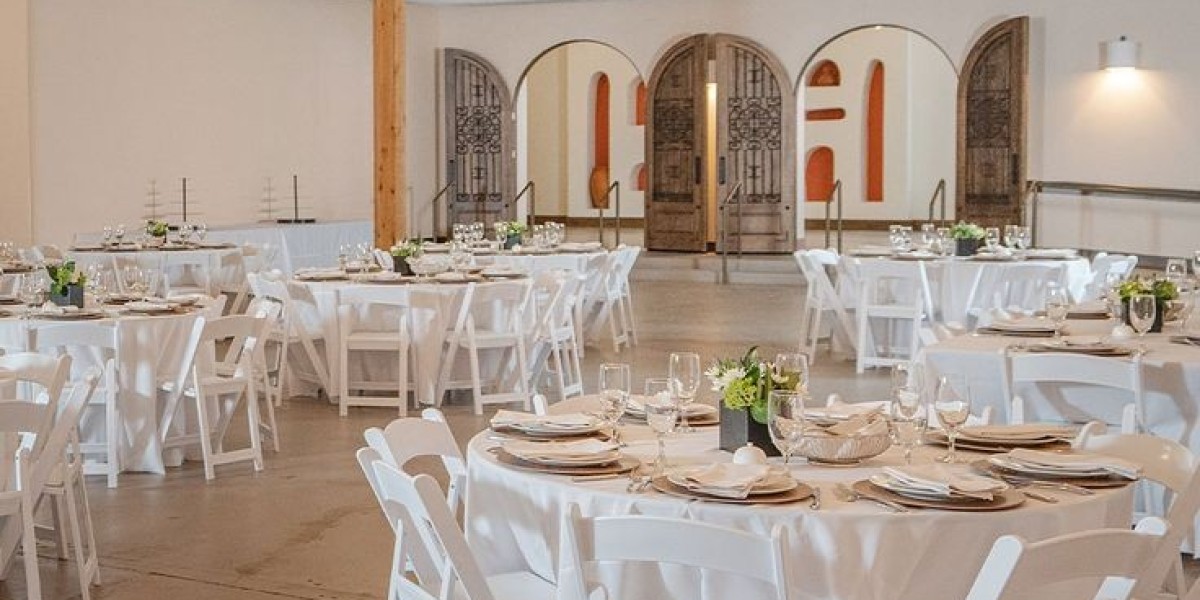
A corporate event venue for a conference may need presentation areas, seating arrangements, sound equipment, and reliable internet access. A company dinner may require dining facilities and an attractive setting, while a networking event may benefit from flexible spaces where people can move around comfortably.
Think about the activities planned for the event before deciding what type of space you need.
Location and Accessibility
Location can have a major impact on attendance and convenience. Consider how easily employees, clients, speakers, and other guests can reach the venue.
Look for practical factors such as:
Nearby roads and transportation options
Parking availability
Accessibility for guests with mobility requirements
Distance from offices or hotels
Ease of finding the location
Availability of drop-off areas
Convenient locations can assist guests arrive on time and lessen the anxiety associated with travel.
Check the Venue's Available Amenities
A company activity could profit greatly from amenities. Find out what amenities are included in the rental at the establishment before making a reservation.
Depending on your event, useful amenities may include:
High-speed internet
Audio and visual equipment
Presentation screens
Microphones and speakers
Tables and chairs
Catering facilities
Private preparation areas
Climate control
Restrooms
On-site parking
Do not assume that every facility is automatically included.Verify what is offered and whether there is a fee for additional equipment.
Think About the Room Layout
A room's layout should support the activities planned for the event. A classroom-style arrangement may work well for training sessions, while theater seating can be useful for presentations with a larger audience.
For networking events, an open arrangement may encourage interaction between attendees.
When visiting an event venue, ask whether tables, chairs, stages, or other furniture can be rearranged. Flexible spaces can be valuable because they allow organizers to adapt the room to different parts of the event.
Evaluate Technology and Connectivity
Modern corporate events often depend on technology. Presentations, video conferences, online demonstrations, registration systems, and digital communication may all require reliable connectivity.
Ask about internet speed, audiovisual equipment, power outlets, projection systems, and technical support.
If an important presentation depends on technology, testing the equipment before the event can help prevent avoidable problems.
Consider Catering and Refreshments
Food and beverages are another important consideration. Depending on the event schedule, attendees may need breakfast, lunch, snacks, coffee, or a full meal.
Ask whether the venue provides catering directly or allows outside catering companies. Also discuss menu options, dietary requirements, serving arrangements, and additional charges.
A well-planned refreshment schedule can keep attendees comfortable without interrupting the main program.
Review the Cost Carefully
Budget is an important part of how to choose a corporate event venue, but the cheapest option is not necessarily the most economical.
Examine what is covered by the rental cost. One venue may offer tables, chairs, technology, and setup services as part of the package, while another may charge separately for each item.
Before signing an agreement, ask about:
Venue rental fees
Equipment charges
Setup and cleanup costs
Catering prices
Overtime fees
Security requirements
Cancellation policies
Deposit requirements
A clear understanding of the total cost makes budgeting easier and reduces unexpected expenses.
Ask About Setup and Cleanup
Event organizers often focus on the event itself and overlook the time required for preparation and cleanup.
Find out when your team can enter the space for decorating, arranging equipment, or preparing registration areas. Also ask who handles cleanup after the event.
If setup time is limited, you may need to adjust your schedule or arrange additional support.
Check the Venue's Policies
Every corporate event venue may have different rules. Some may have restrictions regarding decorations, outside vendors, catering, music, photography, or event hours.
Read the agreement carefully before making a final commitment. If anything is unclear, ask the venue representative for clarification.
Understanding the rules in advance helps organizers plan realistically.
Visit the Venue Before Booking
Online photographs can provide a useful first impression, but they do not always show the complete picture.
Whenever possible, visit the event venue personally. During the visit, examine the room size, lighting, cleanliness, entrances, restrooms, parking, seating options, and overall atmosphere.
Try to imagine the actual event taking place there. Consider where guests will enter, where registration will happen, where speakers will stand, and how people will move between different areas.
Questions to Ask Before Making a Decision
Before selecting a venue, prepare a short list of questions. Useful questions include:
What is the maximum capacity?
What equipment is included?
Is Wi-Fi available?
Can the room layout be customized?
Is catering available?
What are the setup and cleanup arrangements?
Are there additional fees?
What are the cancellation terms?
Is parking available?
What accessibility features are provided?
The answers can help you compare venues objectively instead of choosing based only on appearance.
Final Thoughts
Choosing the right event venue requires careful consideration of purpose, capacity, location, amenities, technology, layout, budget, and guest experience. A suitable corporate event venue should not simply look attractive; it should make the event easier to organize and more comfortable for attendees.
By understanding how to choose a corporate event venue, organizers can evaluate their options more confidently and select a space that supports the goals of the event. Careful planning before booking can prevent common issues and create a smoother, more professional experience from arrival to departure.
Further information: Click Here