
Hair loss is a common concern that can affect people of different ages and backgrounds. Whether hair gradually becomes thinner or noticeable shedding develops over time, changes in hair density can affect confidence and appearance. As interest in nonsurgical hair restoration continues to grow, PRP hair treatment has become an option that many people explore for supporting existing hair follicles.
PRP stands for platelet-rich plasma and involves using a concentrated portion of the patient's own blood. The procedure is designed to deliver platelets and naturally occurring growth factors to targeted areas of the scalp. While results are not guaranteed and can differ between individuals, understanding the treatment can help people decide whether it is worth discussing with a qualified professional.
What Is PRP Hair Treatment?
PRP hair treatment is a minimally invasive procedure that uses platelet-rich plasma to support the scalp and existing hair follicles. A small amount of blood is collected from the patient and processed to separate the platelet-rich plasma.
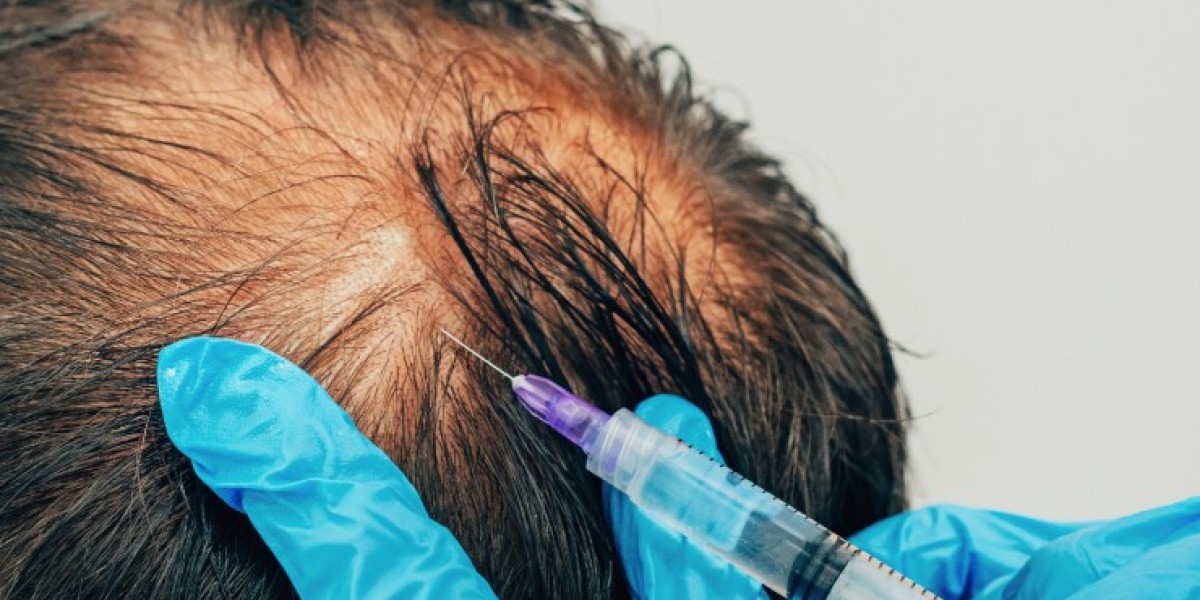
Once prepared, the plasma is injected into selected areas of the scalp where thinning is present. Platelets contain growth factors that are involved in the body's natural processes of tissue repair and regeneration.
The purpose of the procedure is generally to create a supportive environment around existing follicles rather than create new follicles. For this reason, a professional evaluation is important before treatment.
How Does PRP Work for Hair Loss?
Hair follicles can become weaker or smaller for several reasons, including genetic factors, aging, hormonal changes, and other conditions. PRP is intended to support the activity of existing follicles through the growth factors contained within platelets.
After injections are administered, the treated area undergoes the body's normal biological response. The goal is to support the scalp environment and encourage healthier follicle activity.
Hair growth naturally takes time, so potential improvements are gradual. Patients should not expect immediate changes immediately after a session.
Potential Benefits of PRP Hair Treatment
One of the main reasons people explore PRP hair treatment is its potential to improve the appearance of thinning hair. Depending on the individual's condition, possible benefits may include supporting hair density, improving the appearance of existing strands, and promoting a healthier-looking scalp.
PRP is also minimally invasive and does not require the surgical removal or transplantation of hair follicles. This makes it an option for individuals who prefer to explore nonsurgical approaches.
Another advantage is its personalized nature because the platelet-rich plasma is prepared from the patient's own blood.
Who May Be a Candidate?
PRP may be considered for men and women experiencing certain types of hair thinning or hair loss, particularly when active follicles remain in the affected areas.
However, it is not appropriate for every type of hair loss. Conditions involving permanent scarring, certain medical disorders, nutritional deficiencies, or inactive follicles may require different treatments.
A qualified healthcare provider can evaluate the scalp, review medical history, and identify possible causes of hair loss before recommending PRP.
What Happens During a Treatment Session?
A typical PRP hair treatment session involves three main stages. First, the provider collects a small blood sample. Second, the sample is processed to concentrate the platelets and separate the platelet-rich plasma.
Finally, the prepared plasma is injected into specific areas of the scalp. The number of injections depends on the size of the treatment area and the provider's technique.
Patients may experience mild discomfort during injections. Temporary redness, tenderness, swelling, or sensitivity can also occur afterward. These effects should be discussed with the provider before treatment.
How Many Sessions Are Needed?
The number of sessions required varies depending on the individual's hair-loss pattern, treatment goals, and response. Some providers recommend an initial series of treatments followed by occasional maintenance sessions.
There is no universal schedule that works for everyone. A customized plan is usually developed after evaluating the patient's scalp and hair condition.
Following the recommended appointment schedule can help the provider monitor progress and determine whether further treatment may be useful.
When Can Results Appear?
PRP does not produce instant hair growth. Hair follicles operate through natural growth cycles, and visible changes generally take time.
Some people may notice gradual improvements over several months, while others may experience less noticeable results. Factors such as the cause of hair loss, follicle health, age, general health, and treatment protocol can all influence the outcome.
Before starting treatment, patients should discuss realistic expectations with their provider.
PRP Aftercare
Following aftercare instructions is an important part of the treatment process. Providers may recommend avoiding certain activities or hair products for a short period after injections.
Patients should keep the scalp clean according to professional instructions and avoid unnecessary irritation. If unusual or persistent symptoms occur, contacting the treating professional is advisable.
Good general hair care can also complement a treatment plan. A balanced diet, gentle scalp care, adequate sleep, and appropriate management of underlying health concerns can contribute to overall hair wellness.
Is PRP Hair Treatment Safe?
PRP uses a patient's own blood, but like any medical procedure, it can involve potential risks and side effects. Temporary discomfort, redness, swelling, or bruising can occur at injection sites.
The overall experience can depend on the individual's health and the technique used. Choosing a qualified and experienced healthcare professional is important for appropriate assessment, sterile preparation, and proper treatment.
Patients should disclose relevant medical information and medications during their consultation.
How to Choose a PRP Provider
Choosing the right provider can make an important difference. Look for a qualified professional with experience in hair-loss evaluation and PRP procedures.
During a consultation, ask about the treatment protocol, expected results, number of sessions, possible side effects, aftercare, and alternative options. A reputable provider should explain both the potential benefits and limitations rather than promise guaranteed results.
Conclusion
PRP hair treatment is a minimally invasive hair restoration approach that uses platelet-rich plasma prepared from a patient's own blood. It may help support existing hair follicles and improve the appearance of thinning hair for some individuals.
Because hair loss has many possible causes, professional evaluation should come before treatment. With realistic expectations, an individualized plan, and appropriate medical guidance, PRP can be considered as one potential component of a broader hair restoration strategy.
For more information visit Royal Hair Transplant clinic in islamabad