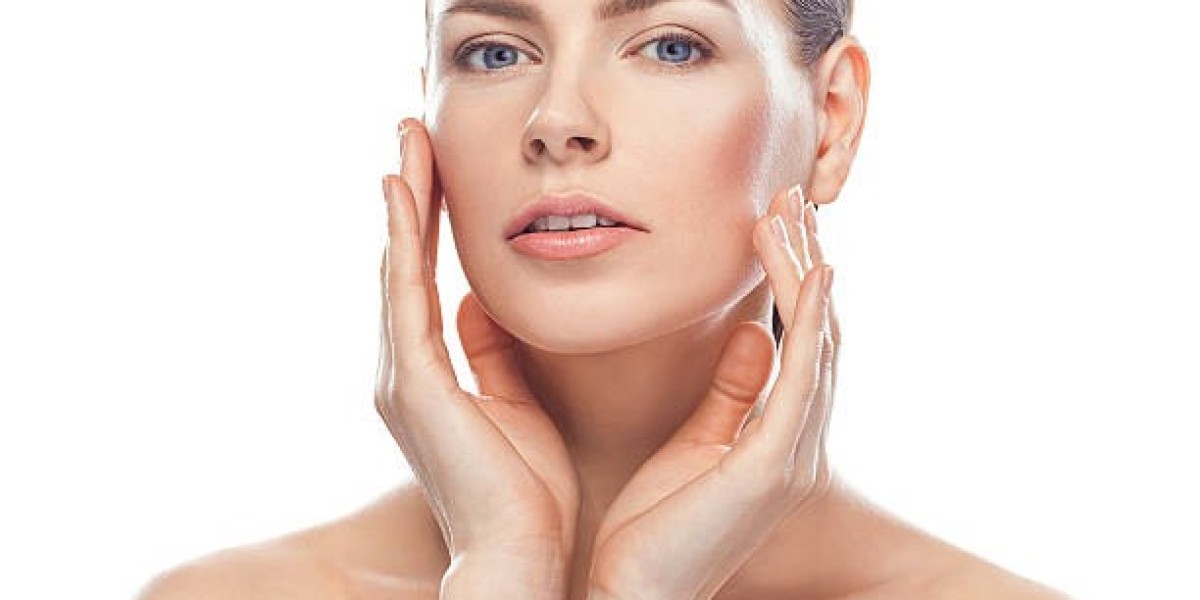

The first few weeks after a facelift are a time of transformation, but they can also be a period of discomfort and uncertainty. Swelling and bruising are inevitable parts of the healing process, and understanding what to expect—along with practical comfort measures—can make this phase more manageable. Facelift Surgery in Riyadh For individuals who have undergone Facelift Surgery in Riyadh , this guide explains the causes of swelling and bruising, the timeline for resolution, and strategies to stay comfortable during recovery.
Understanding Swelling After a Facelift
Why Swelling Occurs
Swelling is the body's natural response to surgical trauma. When tissues are lifted and repositioned, the body sends fluid and immune cells to the area to begin the healing process. This fluid accumulation causes the visible puffiness that patients experience.
The Swelling Timeline
Days 1-3: Swelling peaks. The face may look puffy and distorted, and the skin may feel tight.
Week 1: Swelling begins to subside, but significant puffiness remains.
Weeks 2-4: Noticeable improvement. Most patients feel comfortable in public with minimal makeup.
Months 2-3: The majority of swelling resolves. Facial contours become more defined.
Months 6-12: Final residual swelling resolves, revealing the full results.
Factors That Influence Swelling
Surgical technique: More extensive procedures may cause more swelling.
Individual healing: Some patients swell more than others.
Activity level: Strenuous activity can increase swelling.
Sleep position: Sleeping flat can worsen swelling.
Understanding Bruising After a Facelift
Why Bruising Occurs
Bruising results from the rupture of small blood vessels during surgery. Blood leaks into the surrounding tissues, creating the characteristic discoloration.
The Bruising Timeline
Days 1-3: Bruising is most intense, often appearing around the eyes, cheeks, and neck.
Week 1: Bruising begins to fade, changing from purple to green and yellow.
Weeks 2-3: Most bruising resolves, though some discoloration may persist.
Tips for Managing Bruising
Cold compresses: Apply during the first 48 hours to constrict blood vessels.
Elevation: Keep your head elevated to reduce blood pooling.
Avoid blood thinners: Follow your surgeon's instructions regarding medications.
Arnica: Some patients find arnica supplements or topical creams helpful, but consult your surgeon first.
Comfort Measures for Recovery
Cold Compresses
Apply cold compresses (wrapped in a cloth) to the cheeks and forehead for 15-20 minutes every hour during the first 48 hours. Avoid placing ice directly on the incisions.
Elevation
Sleep with your head elevated on two or three pillows, or use a recliner. This promotes fluid drainage and reduces swelling.
Pain Management
Take prescribed pain medications as directed. Do not wait until pain becomes severe to take them.
Gentle Movement
Short, gentle walks improve circulation and reduce the risk of blood clots. Avoid bending, lifting, or straining.
Nutrition and Hydration
Hydrate: Drink plenty of water to support healing.
Protein: Eat protein-rich foods to support tissue repair.
Avoid salt: High-sodium foods can worsen swelling.
Avoid alcohol: Alcohol can thin the blood and increase bruising.
Skincare
Gentle cleansing: Use a mild cleanser as directed.
Moisturise: Keep the skin hydrated.
Sun protection: Protect your face from UV exposure.
When to Contact Your Surgeon
Contact your surgeon if you experience:
Severe or worsening pain
Excessive bleeding or drainage
Signs of infection (fever, increasing redness, discharge)
Difficulty breathing
Sudden asymmetry or changes in facial movement
The facelift cost in Riyadh
Understanding the cost of facelift surgery, including follow-up care and any additional treatments, helps you plan for the investment.
The Bottom Line
Swelling and bruising are normal parts of facelift recovery, but they are temporary. By following comfort measures and your surgeon's instructions, you can navigate this phase with confidence and look forward to the beautiful results ahead. For those seeking expert guidance and customized aesthetic care, you can book an appointment consultation at the Enfield Royal Clinic .
Frequently Asked Questions
How long does swelling last after a facelift?
Most swelling resolves within 2 to 3 months, with subtle swelling persisting for up to 6 to 12 months.
How long does bruising last after a facelift?
Bruising typically fades within 2 to 3 weeks.
What can I do to reduce swelling?
Elevate your head, use cold compresses, avoid strenuous activity, and stay hydrated.
Can I use arnica for bruising?
Some patients find arnica helpful, but consult your surgeon before using any supplements.
When can I return to normal activities?
Most patients return to light activities within 1-2 weeks, with full recovery taking several months.