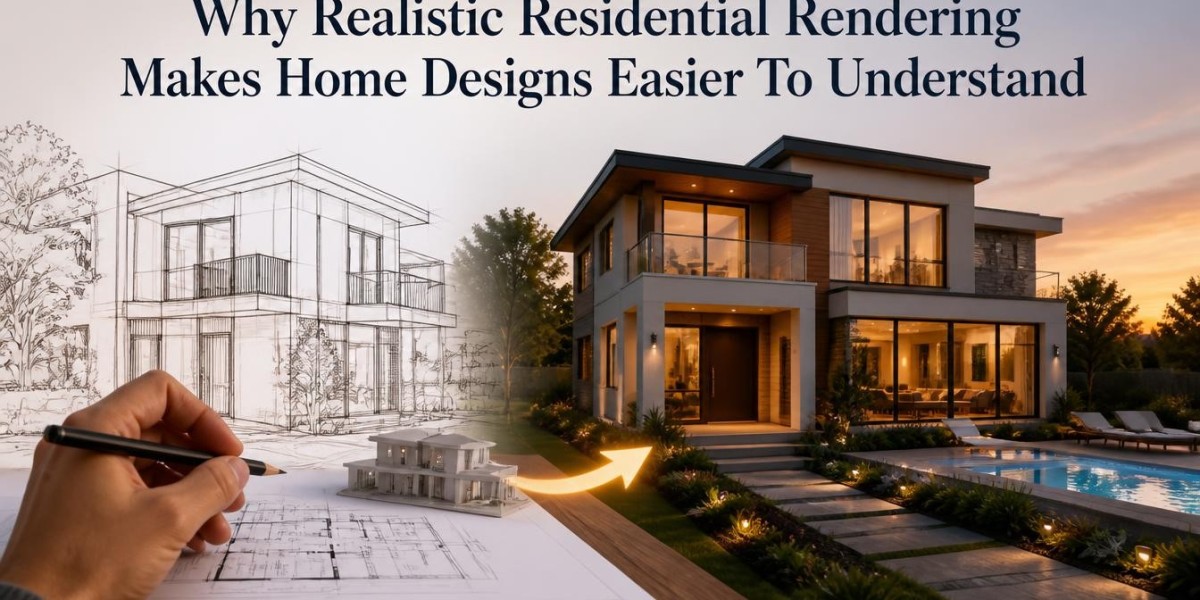

The homeowner has approved the kitchen rendering that has warm oak floors with brushed-gold fittings. The builder still used the same price but opted for a different array of materials, which resulted in the kitchen appearance being cooler and shinier than the rendering. The homeowner, for this reason, asked to replace the flooring that added to the project cost. This is the risk of residential rendering that focuses more on mood than accurate materials.
SMA Archviz creates residential rendering services that show materials, lighting, and finishes as they are expected to look in the finished space. The purpose of this is to set expectations, not to present an unrealistic or overly optimistic view of the project. Here are reasons why that can be a big difference, and why homeowners may not realize this.
What Makes Residential Rendering "Realistic" Instead Of Just Attractive?
Accurate materials and realistic lighting matter more than a polished image. A rendering can look impressive and still show materials differently from how they will look in the finished home.
Realistic residential rendering uses actual material textures, correct light color, and accurate room and furniture sizes. A stylized render may make colors look warmer, or surfaces look glossier to make the image more appealing. This can create a mismatch between the rendering and the finished home.
Why Do Buyers And Homeowners Rely So Heavily On Visuals?
Because most people use images to understand a space before it exists. This is not just a personal opinion. Buyers clearly rely on visuals when making decisions.
According to NAR's Real Estate in a Digital Age report, photos are consistently the single most valued website feature for home buyers, outranking detailed property information and virtual tours.
Buyer-Valued Content Type | Share Rating It Very Useful |
Photos/renderings | 89% |
Detailed property information | 85% |
Virtual tours | 50% |
If photos are this important for existing homes, an inaccurate rendering can create an even bigger problem for a home that has not been built yet. Buyers have nothing else to compare it with.
How Does Design Rendering Prevent Costly Misunderstandings?
By setting clear expectations before construction starts, not after materials are ordered. A rendering that shows the actual finishes can prevent the “that’s not what was approved” problem.
Home design rendering should use the actual material specs, including the real tile, cabinet finish, and countertop stone. This gives homeowners a preview they can trust instead of just a sales image. It also helps protect the homeowner’s expectations and the builder’s schedule.
What Role Does 3D Visualization Play During Construction, Not Just Design Approval?
It becomes a reference that contractors can build from, and homeowners can check. This shared reference can reduce disputes about what was promised.
3D home visualization used from design approval through construction gives the architect, builder, and homeowner the same clear picture. Everyone can refer to the same image instead of relying on memory or a marketing image.
What Should Homeowners Ask A Rendering Provider Before Signing Off?
Whether the rendering uses the actual materials or a generic version made to look good. Asking this question would help avoid some issues. You could ask that the lighting be uniform according to the direction of the house, that the materials be used as per the approved samples, and that revisions be done after the finishes have been completed. A good residential rendering should be as close to the finished home as possible. A beautiful image that does not match the final result is not useful.
Conclusion
Realistic residential rendering is not about making a home look impressive. It is about making sure the approved design matches what gets built. With most buyers relying on visuals to make major decisions, accurate images can have a real financial impact. SMA Archviz creates renderings with accurate materials and lighting to close this gap. This helps clients approve a design they can recognize in the finished home, instead of facing surprises after construction.