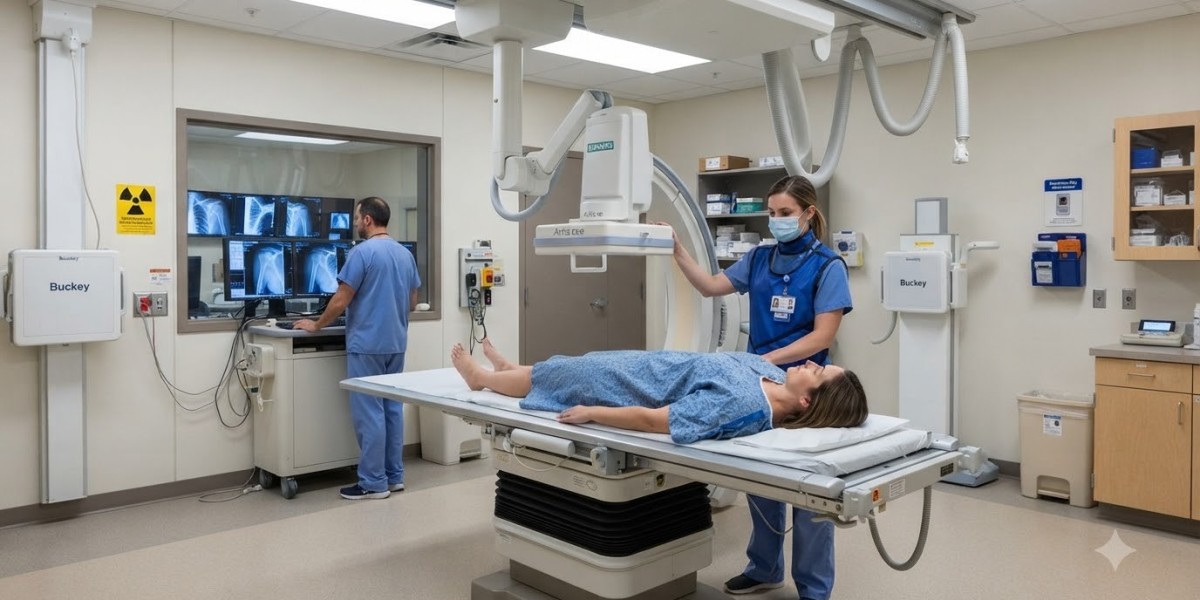

An X-ray may be one of the most familiar diagnostic tests, but choosing where to have it performed deserves more thought than simply selecting the closest facility. Image quality, technician experience, equipment, reporting processes, waiting time, and the type of X-ray required can all affect the overall experience.
If your doctor has advised an X-ray, choosing a suitable x-ray lab in bangalore for your prescribed imaging starts with understanding exactly what the prescription requires. A chest X-ray, joint X-ray, spine study, abdominal image, or dental-related examination may involve different positioning and imaging requirements.
The goal is not to find a laboratory that simply offers X-rays. It is to find a diagnostic facility capable of producing clinically useful images while making the process straightforward for the patient.
Why the Quality of an X-Ray Facility Matters
X-rays use ionizing radiation to create images of structures inside the body, particularly bones and certain areas of the chest. The examination itself may be quick, but several technical steps happen behind the scenes.
Correct positioning matters. Appropriate exposure settings matter. The quality of the imaging system matters. The way the image is reviewed and reported matters.
Poor positioning or an image that does not adequately capture the requested area may occasionally require additional imaging. A properly managed diagnostic process aims to obtain the necessary images efficiently while following appropriate radiation-safety practices.
This is why comparing facilities based only on price can be misleading.
A lower fee does not automatically mean poor quality, and a higher fee does not guarantee better care. Instead, patients should look at the complete diagnostic process.
Start With Your Doctor's X-Ray Prescription
Before searching for an x-ray lab in bangalore, read the prescription carefully or ask the referring clinic what examination has been requested.
The prescription may specify:
Body part to be examined
Particular view or views
Side of the body
Clinical indication
Standing or weight-bearing imaging
Special positioning requirements
Previous imaging that may be useful for comparison
Do not assume that asking for "a knee X-ray" or "a chest X-ray" provides every detail the imaging team needs.
If any part of the prescription is unclear, the diagnostic centre can review it and determine whether clarification from the referring clinician is required.
Ask Whether the Required X-Ray Is Available
Not every imaging facility necessarily performs every type of study.
Before travelling, contact the centre and tell them exactly what is written on the prescription. This can prevent an unnecessary visit, particularly if the examination has special requirements.
It is also sensible to ask whether an appointment is required or whether the facility accepts walk-ins for that particular test.
Digital X-Ray vs Traditional Film-Based Imaging
One useful factor to consider is whether a facility uses digital radiography.
Digital X-ray systems capture images electronically rather than relying on traditional photographic film. The resulting image can be viewed on a computer and processed for clinical interpretation.
Digital systems can also make storing and sharing images easier.
This is especially useful when the X-ray needs to be reviewed by another doctor or compared with future studies.
However, simply seeing the words "digital X-ray" should not be the end of your evaluation.
The quality of a diagnostic examination also depends on correct positioning, suitable imaging technique, equipment maintenance, quality-control processes, and professional interpretation.
How to Compare an X-Ray Lab in Bangalore
Instead of selecting the first result that appears in a local search, compare a few practical factors.
1. Check the Facility's Diagnostic Capabilities
Confirm that the centre performs the specific X-ray ordered by your doctor.
If you need multiple diagnostic tests on the same day, you may also want to check whether those services are available at the same facility.
This can reduce travel and simplify scheduling.
2. Ask About Equipment and Imaging Process
You do not need to understand the technical specifications of an X-ray machine.
Simple questions are enough:
Is the imaging digital?
Is the prescribed study available?
Will the images be reviewed before you leave if necessary?
How are images provided?
How is the report delivered?
Clear answers can tell you a great deal about how organized the facility is.
3. Consider Accreditation and Quality Systems
Diagnostic laboratories and imaging centres may operate under different accreditation or quality frameworks depending on the services they provide.
If accreditation is important to you or has been requested by an employer, insurer, hospital, or doctor, confirm the relevant status directly with the facility rather than assuming it.
Quality procedures are especially important in diagnostic services because equipment performance, documentation, patient identification, and reporting all need consistent processes.
4. Look at Accessibility
Bangalore traffic can turn a relatively short distance into a long journey.
Location therefore matters, particularly for someone with an injury, mobility limitation, severe pain, or a condition that makes travel uncomfortable.
Consider:
Distance from home or work
Parking availability
Public transport access
Lift or wheelchair accessibility where needed
Opening hours
Appointment availability
For an injured patient, accessibility can be more important than choosing a centre that is marginally cheaper but much farther away.
What Should You Ask About X-Ray Pricing?
People often search for an x-ray lab in bangalore while simultaneously trying to understand how much the examination will cost.
There is rarely one meaningful "X-ray price" because the required study can vary.
The cost may depend on the body part, number of views, type of examination, facility, reporting requirements, and other service-related factors.
Instead of asking only, "How much is an X-ray?" provide the exact examination written on the prescription.
A better question is:
"What is the total charge for this prescribed X-ray, and does that include the images and report?"
That reduces the chance of comparing two prices for different services.
Do Not Choose on Price Alone
Cost is important, especially when paying out of pocket.
But the cheapest option is not necessarily the best choice if it creates difficulties with scheduling, accessibility, report collection, image sharing, or the required examination.
Compare value rather than simply the lowest advertised number.
What Happens During a Typical X-Ray Appointment?
Knowing the process beforehand can make the visit easier.
You will generally begin with registration and verification of the examination requested. The imaging professional will then explain how you need to position yourself.
Depending on the body area, you may need to remove jewellery, metal objects, or clothing that could interfere with the image.
The actual exposure is usually very brief.
You may be asked to remain still, change position, or hold your breath for certain images.
More than one image may be needed because different views can provide different clinical information.
After the required images have been obtained, they are processed and made available for review and reporting according to the centre's workflow.
Preparation: What Should You Do Before Going?
Many routine X-rays require little or no special preparation.
However, requirements can vary depending on the examination.
Carry:
Doctor's prescription or referral
Relevant identification
Previous X-rays or scans if requested
Relevant medical records when appropriate
Payment or insurance information if applicable
Wear comfortable clothing when possible and avoid unnecessary metal accessories around the area being examined.
Tell the Imaging Team About Pregnancy or Possible Pregnancy
Because X-rays involve ionizing radiation, pregnancy or the possibility of pregnancy should be discussed with the healthcare or imaging professional before the examination.
Do not make the decision to proceed with or cancel medically necessary imaging solely from general online advice.
The referring clinician and imaging team can assess the clinical need and determine the appropriate approach.
How Quickly Will You Receive the Report?
Report turnaround is another useful factor when comparing an x-ray lab in bangalore.
The answer may depend on the type of examination, workflow, reporting arrangements, urgency, and time of day.
If your doctor needs the results for an appointment later that day or the next morning, ask about expected turnaround before the X-ray.
Also clarify exactly what you will receive.
For example:
Printed report
Digital report
Image files
Online access
Physical media where applicable
Do not assume every centre follows the same delivery method.
Common Mistakes Patients Can Avoid
One common mistake is arriving without the prescription and trying to explain the requested examination from memory.
Another is focusing entirely on price without confirming what the quoted amount includes.
Patients may also forget to carry previous imaging even when their doctor wants a comparison.
A few minutes of preparation can prevent most of these problems.
Mistake: Searching Only by Distance
The nearest facility may be convenient, but first confirm that it performs the required examination.
Mistake: Not Asking About Report Timing
If you have a follow-up appointment, late reporting can create unnecessary delays.
Mistake: Ignoring Accessibility
Someone with a leg injury may struggle with stairs, distant parking, or long waiting periods.
Think about the patient's actual condition, not just the map distance.
Mistake: Not Checking the Exact Examination
Similar-sounding X-ray requests can involve different views or positioning.
Always use the prescription when confirming availability and cost.
A Simple Checklist Before Booking
When evaluating an x-ray lab in bangalore, you can make the decision easier by asking five questions:
Do you perform the exact X-ray written on my prescription?
Is an appointment required?
What is the complete charge for the prescribed examination?
When should the report and images be available?
What documents or preparation are required?
For patients with mobility issues, add questions about parking, wheelchair access, lifts, and waiting arrangements.
These practical details often matter more than promotional claims.
Frequently Asked Questions
Do I need a doctor's prescription for an X-ray?
Requirements can depend on the examination and facility. If a clinician has recommended imaging, bring the written prescription or referral so the imaging team can identify the exact study requested.
How long does an X-ray take?
The image acquisition itself can be quick, but total appointment time varies according to registration, waiting time, number of views, positioning requirements, and the type of examination.
Does every X-ray require preparation?
No. Many routine X-rays require little preparation, while certain examinations may have specific instructions. Confirm with the diagnostic centre when booking.
Can I get a digital copy of my X-ray?
Many digital imaging facilities can provide images electronically or through another digital format, but delivery methods vary. Ask the centre beforehand if you specifically need digital images.
Should I carry an old X-ray with me?
If your doctor is monitoring an existing condition or has asked for comparison, previous images and reports may be useful. Follow the referring clinician's instructions.
What should I do if I may be pregnant?
Inform the referring clinician and imaging staff before the examination. They can evaluate the clinical situation and determine the appropriate imaging approach.
Making the Final Choice
Finding the right diagnostic facility is mainly about matching the centre's capabilities with your prescription and practical needs.
Confirm the exact examination, ask about digital imaging and reporting, understand the complete cost, check turnaround time, and consider how easy the facility will be to access.
A well-chosen x-ray lab in bangalore should make the diagnostic process clear from booking through image and report delivery. Taking a few minutes to ask the right questions can save time, reduce confusion, and help ensure that your doctor receives the imaging information requested.