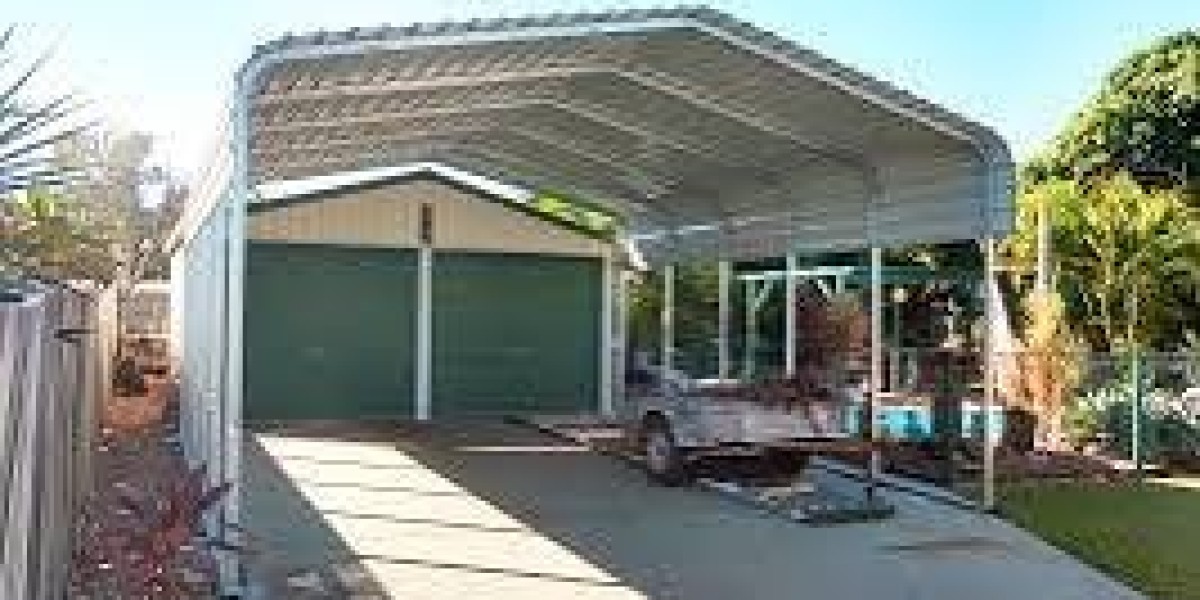

Protecting your vehicle from harsh weather does not always require a permanent garage or expensive construction project. A temporary carport offers a practical and flexible solution for homeowners, renters, businesses, and anyone who needs reliable vehicle coverage without committing to a permanent structure. Designed to be portable, adaptable, and relatively easy to install, temporary carports can help protect cars, caravans, boats, trailers, and other valuable equipment from the elements.
What Is a Temporary Carport?
A temporary carport is a covered structure designed to shelter vehicles while allowing the structure to be installed, relocated, or removed more easily than a traditional permanent carport. Most models consist of a strong frame combined with a weather-resistant roof or fabric cover.
Depending on the design, temporary carports can range from simple single-vehicle shelters to larger structures capable of protecting multiple vehicles. Their flexible construction makes them particularly useful when permanent building work is not practical or when additional covered space is needed for a limited period.
Why Choose a Temporary Carport?
One of the biggest advantages of a temporary carport is flexibility. Unlike a permanent garage or fixed carport, it can often be moved or dismantled when circumstances change.
This makes temporary carports useful for:
Protecting a vehicle while a permanent garage is being built
Creating additional parking space
Providing seasonal vehicle protection
Covering caravans, trailers, boats, or recreational equipment
Supporting outdoor commercial or agricultural activities
Renting properties where permanent construction may not be suitable
A temporary structure can also provide additional storage and covered workspace without requiring a major renovation.
Protection From Weather
Vehicles are constantly exposed to weather conditions when parked outdoors. Strong sunlight can affect paint, dashboards, rubber components, and interior materials over time. Rain and moisture can contribute to corrosion and deterioration, while hail can cause costly body damage.
A temporary carport creates a protective barrier between the vehicle and many of these environmental conditions. The roof helps reduce direct exposure to sunlight, rain, leaves, bird droppings, and other outdoor contaminants.
For areas that experience severe weather, it is particularly important to choose a structure made from suitable materials and install it according to the manufacturer's instructions. Proper anchoring and construction are essential for stability during strong winds.
Materials and Construction
Temporary carports are commonly manufactured using materials selected for strength, durability, and weather resistance. Steel or galvanised steel frames are popular because they provide a strong structural foundation and can withstand regular outdoor use when properly maintained.
The cover may be made from coated fabric, polyethylene, PVC, or another weather-resistant material. The best choice depends on the intended use, local climate, expected exposure, and how long the carport will remain installed.
When comparing options, pay attention to frame thickness, connections, cover quality, anchoring systems, and overall construction. A low-cost structure may not always provide the durability required for long-term outdoor conditions.
Choosing the Right Size
Selecting the correct size is one of the most important decisions when purchasing a temporary carport. The structure should provide enough room for the vehicle while allowing comfortable access around it.
For a standard car, measure the vehicle's length, width, and height before choosing a carport. Remember to account for doors, mirrors, roof accessories, and additional clearance.
If you want to protect a caravan, boat, trailer, or larger vehicle, choose a structure specifically designed for its dimensions. Additional height is particularly important for caravans and vehicles with roof-mounted equipment.
A larger carport may also be worthwhile if you want space for storage, maintenance, or outdoor activities.
Installation and Portability
One of the key benefits of temporary carports is relatively straightforward installation. Many designs are supplied as kits with frames, connectors, covers, and anchoring components.
However, easy installation does not mean that anchoring can be ignored. A carport must be securely installed on a suitable surface and anchored according to the manufacturer's recommendations. The installation location should also be considered carefully to avoid drainage problems, unstable ground, overhead obstacles, or other hazards.
Portability is another major advantage. Depending on the model, the structure can potentially be dismantled and relocated when you move house, change parking arrangements, or no longer need the additional shelter.
Temporary Carport vs Permanent Carport
The right option depends on your circumstances.
A permanent carport is generally better suited to homeowners who want a long-term structure that becomes part of the property. It can offer a more integrated appearance and may be designed to complement an existing home.
A temporary carport, on the other hand, is ideal when flexibility is a priority. It can provide useful protection without the same level of permanent construction. It may also be a convenient option for renters, temporary parking requirements, renovation periods, or seasonal use.
Before installation, always check applicable local rules, property requirements, and any permissions that may be necessary in your area.
Maintenance Tips
Regular maintenance can help extend the life of a temporary carport. Inspect the frame periodically for signs of corrosion, loose connections, bending, or damage. Check the cover for tears, excessive wear, or water accumulation.
Keep the roof clear of leaves and debris, and make sure drainage around the structure remains effective. After severe weather, inspect the entire structure before continuing to use it.
If the carport is designed for seasonal use, follow the manufacturer's recommendations for dismantling and storing the cover and frame. Keeping components clean and dry before storage can help reduce premature deterioration.
Is a Temporary Carport Worth It?
For many vehicle owners, a temporary carport provides an excellent balance between protection, convenience, and flexibility. It can protect valuable vehicles from everyday weather exposure while providing covered space without requiring a permanent building project.
The key is to choose a structure appropriate for your vehicle, climate, intended duration, and available space. Quality materials, secure anchoring, correct installation, and regular maintenance are all important for getting the most from your investment.
Whether you need short-term shelter during a home renovation or a flexible solution for protecting a car, caravan, trailer, or other vehicle, a temporary carport can provide practical outdoor coverage when and where you need it.