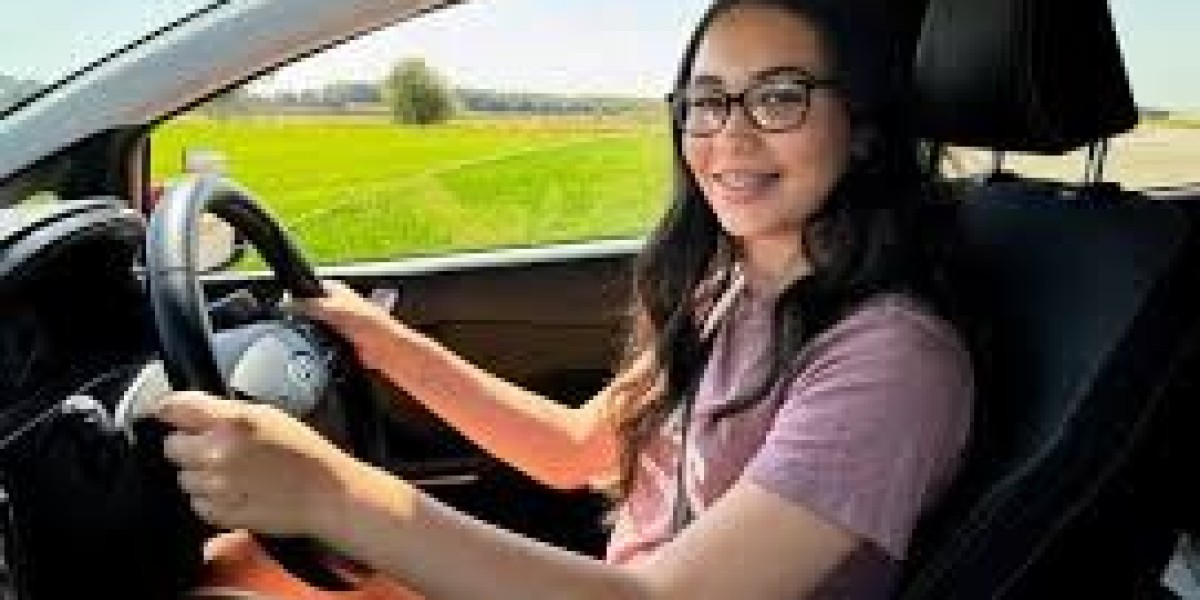

Learning to drive is an important milestone, and choosing the right type of driving lesson can make the experience easier and more enjoyable. Driving lessons automatic are becoming increasingly popular among new learners because automatic cars are simple to operate and allow students to concentrate more on the road, traffic, and developing safe driving habits.
Whether you are a complete beginner, a nervous driver, or someone who has previously learned in a manual car, automatic driving lessons can provide a straightforward way to build confidence and prepare for independent driving.
What Are Automatic Driving Lessons?
Automatic driving lessons teach you how to drive a vehicle equipped with an automatic transmission. Unlike a manual car, an automatic vehicle changes gears for you, so there is no clutch pedal and you do not need to manually select gears while driving.
Most automatic cars have three main pedals or controls to understand: the accelerator and brake pedals, with no clutch pedal. The transmission generally uses settings such as Park (P), Reverse (R), Neutral (N), and Drive (D).
During your lessons, your instructor will teach you how to operate the vehicle safely while developing the skills needed to handle different road conditions and traffic situations.
Why Choose Automatic Driving Lessons?
One of the biggest advantages of learning in an automatic car is simplicity. You can focus more of your attention on steering, observation, road positioning, speed control, signs, and other road users rather than coordinating the clutch and gear changes.
Automatic lessons can be particularly helpful for learners who:
Are nervous about learning to drive
Find clutch control difficult
Want a simpler driving experience
Regularly drive in busy urban traffic
Prefer modern automatic vehicles
Want to concentrate on road awareness and hazard perception
Because the car manages gear changes automatically, many learners find that they can become comfortable with basic vehicle control relatively quickly.
What Will You Learn During Automatic Driving Lessons?
A professional driving instructor will normally structure lessons around your experience and progress. Beginners may start with basic controls before gradually moving into more challenging traffic situations.
Vehicle Controls
Your first lessons may cover the essential controls of the automatic car. You will learn how to start and stop the vehicle, select Drive and Reverse, use the parking brake, control your speed and understand the dashboard.
Steering and Road Positioning
Good steering technique and correct road positioning are essential for safe driving. Your instructor will help you develop smooth steering movements and teach you how to position the vehicle appropriately on different roads.
Moving Off and Stopping
You will practise moving away safely from the side of the road, at junctions and in traffic. You will also learn how to stop smoothly while maintaining proper observation.
Junctions and Roundabouts
Junctions and roundabouts require careful observation and decision-making. Your lessons will help you understand priorities, choose appropriate lanes, signal correctly and safely join or leave different types of roads.
Parking
Parking is an important part of becoming an independent driver. Automatic driving lessons can include parallel parking, bay parking, reversing and other manoeuvres that help you handle everyday parking situations confidently.
Dual Carriageways and Faster Roads
As your skills improve, your instructor may introduce faster roads and dual carriageways. You will learn about safe following distances, lane discipline, speed management, joining traffic and changing lanes safely.
Are Automatic Cars Easier to Learn In?
For many learners, yes. Automatic cars remove the need to coordinate a clutch pedal and manual gear changes. This can reduce the number of tasks a beginner needs to manage simultaneously.
However, learning to drive safely still requires concentration, practice and good judgement. An automatic transmission does not replace the need for strong observation, hazard awareness, speed control and responsible decision-making.
A good instructor will help you progress gradually rather than expecting you to master everything immediately.
Automatic Driving Lessons for Nervous Learners
If you feel anxious about driving, an automatic vehicle may make the learning process feel more manageable. Without clutch control and frequent gear changes, you can dedicate more attention to what's happening around you.
A supportive instructor should create a calm learning environment and adapt lessons to your individual confidence level. Starting on quieter roads before gradually introducing busier routes can help you become more comfortable behind the wheel.
Remember that feeling nervous at the beginning is normal. Confidence generally develops through consistent practice and positive experience.
How Many Automatic Driving Lessons Do You Need?
There is no fixed number of lessons that every learner needs. Your required lesson time depends on factors such as your previous experience, confidence, ability to understand road rules, observation skills and how frequently you practise.
Taking lessons regularly can help maintain consistency and reinforce what you have learned. Your instructor can assess your progress and identify areas that need additional practice.
Instead of focusing only on the number of lessons, concentrate on becoming a safe, independent and responsible driver.
How to Get the Most From Your Automatic Driving Lessons
You can make faster progress by preparing for each lesson and taking an active role in your learning.
Practise Regularly
Regular lessons can help you retain skills and avoid long gaps between sessions.
Listen to Your Instructor
Your instructor can identify habits that may not be obvious to you. Pay attention to feedback and try to apply it during the next practice session.
Ask Questions
If you do not understand something, ask. Understanding why you need to perform a particular action can make it easier to remember.
Work on Observation
Good observation is one of the most important driving skills. Develop the habit of checking mirrors, scanning ahead and identifying potential hazards early.
Stay Calm
Mistakes can happen while learning. Rather than becoming frustrated, treat mistakes as opportunities to improve.
Preparing for Your Driving Test
Automatic driving lessons should prepare you for the skills required during your practical driving test. Your instructor can help you practise different road types, manoeuvres, independent driving and situations that may occur during the test.
Before taking your test, you should be comfortable with vehicle control, observations, junctions, roundabouts, parking, lane discipline, speed management and responding appropriately to hazards.
It is also important to understand that passing the test is only one stage of becoming a good driver. Safe driving habits should continue long after you receive your licence.
Choose the Right Automatic Driving Instructor
Choosing the right instructor can have a major impact on your learning experience. Look for an instructor who is patient, professional and able to explain driving techniques clearly.
You should feel comfortable asking questions and receiving constructive feedback. A structured lesson plan can also help you understand your progress and identify what you need to practise next.
Final Thoughts
Driving lessons automatic can be an excellent choice for learners who want a simpler and more focused way to learn to drive. By removing manual gear changes and clutch control, automatic vehicles allow learners to concentrate on road awareness, steering, positioning, speed control and developing safe driving habits.
With regular practice, professional instruction and a positive attitude, you can build the skills and confidence needed to become a safe and independent driver. The most important goal is not simply passing your driving test—it is developing the knowledge, judgement and awareness needed to drive responsibly for years to come.