
A buyer in Rotterdam once told us his last Coated Palo Santo shipment arrived smelling like varnish, not resin. That's the risk when a manufacturer treats coating as a cosmetic afterthought instead of a controlled process. Coated Palo Santo isn't just raw wood dipped in oil and shipped out it's a layered product where the coating ratio, drying time, and base wood grade all decide whether your customer reorders or walks. Most wholesalers only discover this after a container lands and the complaints start.
What "Coated" Actually Means on the Spec Sheet
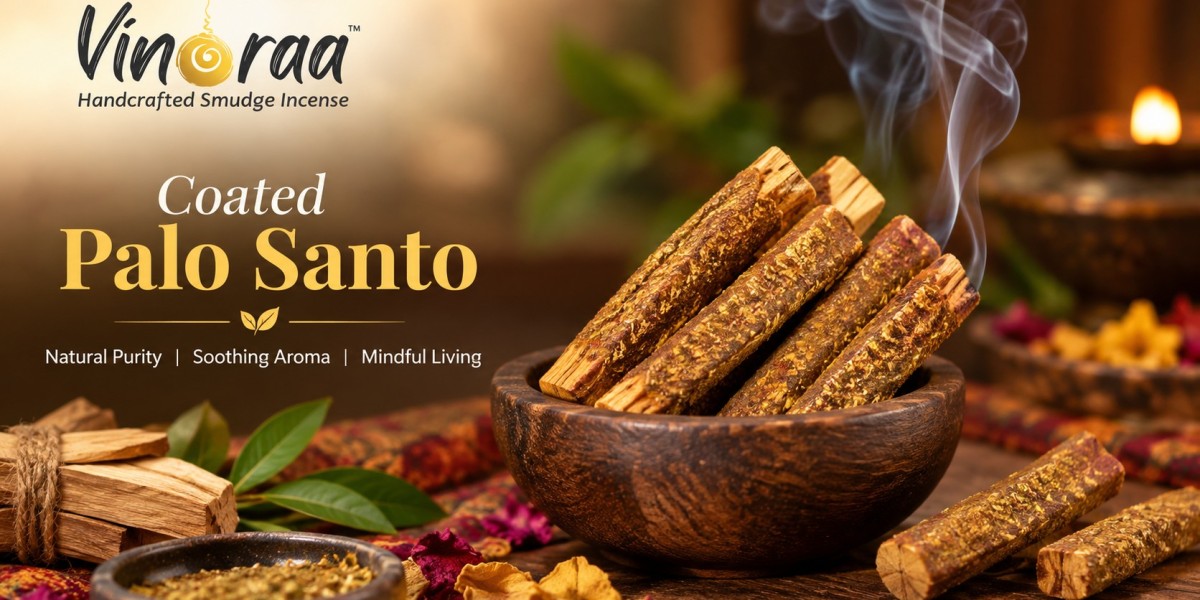
Coated Palo Santo refers to sustainably harvested Bursera graveolens wood sticks or chips finished with an essential oil or resin layer usually a blend involving frankincense, myrrh, or the wood's own concentrated oil applied after the base wood has cured for a minimum period. The coating isn't paint. It's absorption-based, which means the wood's moisture content going in determines how evenly the oil sets.
The Detail Most Buyers Skip
Coating thickness isn't standardized across the industry, and that's the gap. A supplier quoting "coated Palo Santo" without specifying oil concentration by weight is leaving room to cut corners. Ask for the percentage. If they can't give you a number, they're eyeballing it — and eyeballing doesn't scale across a 500kg order.
Five Questions to Tell a Real Supplier from a Reseller
Do they own the coating process, or outsource it? A bad answer sounds like "our partner handles that stage." That means quality control has a blind spot exactly where it matters most.
Can they show batch-to-batch consistency data? A bad answer is a single sample photo. One stick tells you nothing about stick 4,000.
What's their wood sourcing chain? A bad answer is "we source locally" with no mention of harvesting permits or sustainability documentation. Palo Santo is a regulated species in several source countries — vague sourcing talk is a red flag, not reassurance.
What's the actual drying and curing timeline before coating? A bad answer rushes past this question. Wood coated too early traps moisture, and trapped moisture means mold risk in transit.
Do they test burn quality post-coating? A bad answer treats burn testing as optional. Coating changes how a stick lights and how long it smolders — untested coating is a customer complaint waiting to happen.
Why coating quality is important to your margin, not just your reputation
Reliable coating consistency cuts your return rate, and returns eat margin faster than any per-unit cost difference ever will. A supplier who nails moisture control before coating gives you a product with a longer, more predictable shelf life — which matters when you're holding inventory for a slow season. Verified sourcing documentation protects you from customs delays, and a held container costs more in storage fees than most buyers budget for. Consistent oil-to-wood ratios mean your end customer gets the same burn experience every time, which is what actually drives repeat wholesale orders. And working with a manufacturer who controls the whole process, coating included, removes a middleman markup that resellers quietly build into their pricing.
Sourcing From India, and Why Location Isn't Just an Address
India has become a serious hub for finished Palo Santo products, not because the wood grows here, but because Indian manufacturers have built strong processing and coating infrastructure around imported raw wood from South America. That matters for wholesale buyers: it means shorter production-to-shipment timelines than sourcing directly from smaller operations in the wood's country of origin, and it means working with suppliers who are used to export documentation, GST compliance, and container consolidation for European and North American buyers. Gujarat and Rajasthan in particular have manufacturing clusters with decades of experience in resin and oil-based coatings, carried over from the broader incense and aromatics industry. That existing expertise is exactly why Coated Palo Santo Manufacturers In India can offer coating consistency that smaller, single-product operations often can't match.
About Us
We've been working with Palo Santo and herbal smudge products since 2016, and coating is the one stage we never outsource. Our team learned early the hard way that a coating batch rushed by even two days of curing time changes the burn quality enough for a buyer to notice. We test every coating batch for oil absorption before it leaves our facility. That's not a claim in a brochure. That's a line item in our internal QC log.
If you're sourcing Coated Palo Santo for wholesale, send us your target quantity, preferred coating concentration, and destination country. Our MOQ starts at 50kg for first orders, and we respond to sourcing inquiries within 24 hours on business days. Reach out to Vinoraa directly with your specs we'll send you sample availability and a quote within two business days of your inquiry.
Conclusion
Coated Palo Santo is a product where the manufacturing process matters more than the marketing copy around it. Wholesalers who ask about coating ratios, curing timelines, and sourcing documentation end up with fewer returns and better repeat customers. As demand grows across wellness and home fragrance markets, the suppliers who treat coating as a science, not a finishing touch, are the ones worth building a long-term account with.
FAQs
1. What makes Coated Palo Santo different from uncoated sticks?
The coated sticks have an extra coating of oil or resin (applied after curing) which affects both scent strength and burning time. Because uncoated wood relies only on the natural oils within the wood, the burn profile is milder and more variable batch to batch.
2. How do I evaluate Coated Palo Santo Manufacturers before placing a bulk order?
Please ask for batch consistency samples, not just one stick. Ask for documentation on wood sourcing and coating concentration by weight – if a manufacturer is reluctant on either, make a note of it before you commit to volume.
3. Are Coated Palo Santo Suppliers in India able to handle export documentation?
Most of the established suppliers in Gujarat and Rajasthan clusters are used to export paperwork, but not all of them are equally fast in it. We'd suggest checking the turnaround time on documentation before your first order as these delays can cause your entire shipment to be held up.
4. What's a reasonable MOQ when working with Coated Palo Santo Wholesalers?
MOQs vary widely, from 25kg to 200kg depending on the manufacturer's production setup. Smaller MOQs are useful for testing a new supplier relationship before scaling into bulk orders.
5. Does coating affect the shelf life of Palo Santo sticks?
Yes, and not always for the better. Poorly cured wood that's coated too early can trap moisture, which shortens shelf life and raises mold risk — this is honestly one of the more overlooked quality issues in the category.