
Digoxin occupies a genuinely unusual position in modern pharmaceutical manufacturing. It's been in continuous clinical use for treating heart failure and atrial fibrillation for well over a century, working by increasing the force of cardiac contractions and helping regulate heart rhythm in patients with a range of cardiac conditions. That kind of longevity, still a standard therapy after this many decades, speaks to a genuinely durable, protocol-embedded demand base that most newer drugs simply don't have. For an investor or corporate adviser evaluating a manufacturing plant, that's a meaningfully different risk profile than backing a newer therapy with an uncertain long-term place in treatment guidelines.
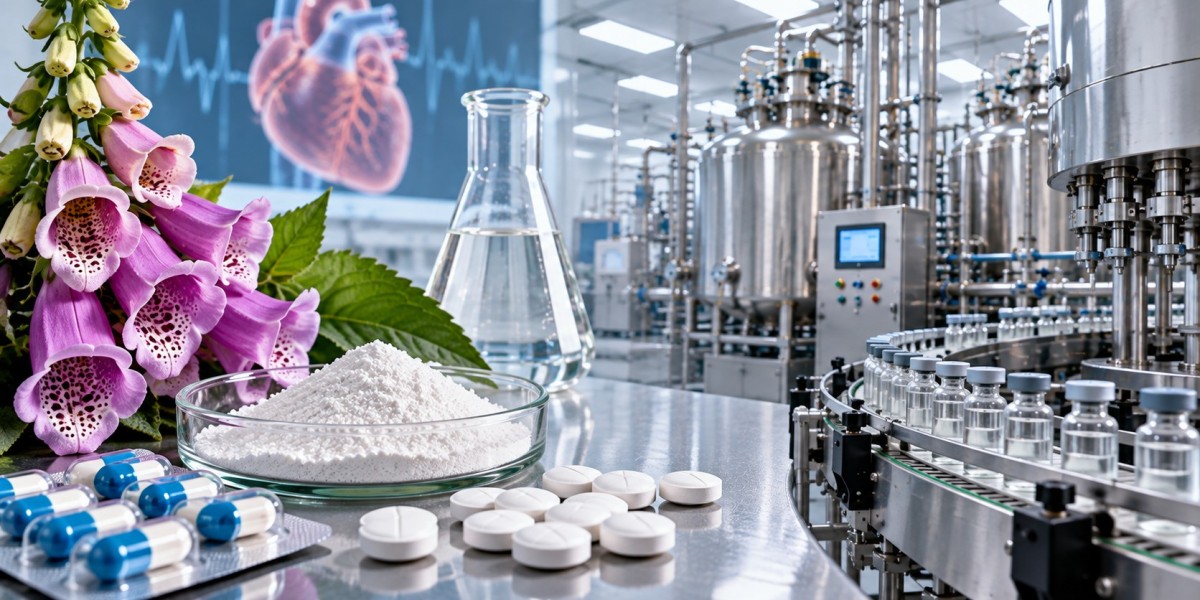
What makes digoxin's production economics genuinely distinctive, though, is that it isn't chemically synthesized the way most modern pharmaceuticals are. It's extracted directly from the leaves of the foxglove plant, Digitalis lanata, making this one of the relatively rare cases in modern pharmaceutical manufacturing where the core process is agricultural cultivation and botanical extraction rather than chemical synthesis from petrochemical or specialty chemical precursors. That distinction changes almost everything about how a serious cost analysis needs to be structured here.
What a Production Cost Report Covers
A proper digoxin production cost report breaks a plant's economics into distinct, individually priced components rather than a single blended figure. It covers the production process, raw material requirements, utility needs, infrastructure, machinery and technology, manpower, packaging, and transportation, since each responds very differently to cost pressure in a plant-extraction operation compared to a standard chemical synthesis facility.
Raw materials carry unusual weight in this breakdown, given that the core input is cultivated plant material rather than a purchased industrial chemical. Utilities matter too, since the extraction, fermentation, and purification stages each demand specific processing conditions. Infrastructure and machinery costs cover the extraction and purification equipment needed to isolate digoxin from plant material, which looks quite different from the reactor vessels a typical small-molecule pharmaceutical synthesis would require. Manpower, packaging, and transportation round out the picture, and given how strictly regulated cardiac glycoside medications are, given their narrow therapeutic window and documented toxicity risk at excessive doses, packaging, dosing accuracy, and quality documentation carry particular weight throughout this process.
Raw Materials Required for Digoxin Production
The primary raw material for digoxin production is Digitalis lanata, the foxglove plant itself, specifically its leaves, which contain the cardiac glycoside compounds that get converted and extracted into finished digoxin. This is a genuinely agricultural feedstock, which means digoxin's raw material cost base ties back to plant cultivation, harvest conditions, and crop yield rather than to any petrochemical or standard industrial chemical market.
Because Digitalis lanata cultivation directly determines the raw material's active glycoside content, growing conditions, harvest timing, and post-harvest handling, drying, and storage practices all meaningfully affect how much usable digoxin precursor material a given harvest actually yields. This is a genuinely different kind of feedstock risk than a plant sourcing standard industrial chemicals would face, since crop-level agricultural variables, weather, growing season length, soil conditions, directly shape input quality in a way that a purchased chemical reagent simply doesn't experience. Solvents used in the extraction and purification stages, historically including methanol, ethanol, and chlorinated solvents like chloroform, represent a secondary raw material category, and given ongoing industry interest in more sustainable, less toxic extraction chemistry, solvent choice here carries both cost and environmental compliance implications worth tracking specifically.
The Industrial Production Process
Digoxin production begins with cultivated Digitalis lanata leaves, which undergo a fermentation step that enzymatically converts naturally occurring primary glycosides, lanatosides A, B, and C, into secondary glycosides, including digitoxin, gitoxin, and digoxin itself. This enzymatic conversion step is a genuinely biological process, distinct from the chemical reaction stages that dominate most pharmaceutical manufacturing, and its consistency depends heavily on the quality and enzymatic activity of the harvested plant material going in.
Following fermentation, the secondary glycosides get extracted from the plant material, commonly through percolation using aqueous methanol or ethanol solutions, pulling the target compounds out of the plant matrix into a liquid extract. This extract then undergoes purification, historically involving further extraction steps using solvents like chloroform, to isolate and concentrate the glycoside mixture, followed by separation techniques, including liquid-liquid extraction methods, to isolate pure digoxin specifically from the broader mixture of related cardiac glycosides that the fermentation process generates alongside it.
Achieving high purity, commercial digoxin production typically targets well above 96 percent purity, is a genuinely demanding separation challenge given how structurally similar digoxin is to the other cardiac glycosides present in the extract. This purification and isolation stage represents a substantial share of the overall production effort and cost, arguably more so than for a synthetic pharmaceutical where the target molecule doesn't need to be separated from a whole family of closely related natural compounds. Industry research has increasingly focused on improving extraction efficiency and reducing reliance on toxic, costly organic solvents, reflecting genuine ongoing interest in making this fundamentally botanical extraction process more economical and more environmentally sustainable.
Capital Investment and Plant Setup Cost Factors
Capital costs for a digoxin plant look meaningfully different from a standard pharmaceutical synthesis facility, since the process centers on extraction, fermentation, and purification infrastructure rather than chemical reaction vessels. Equipment needs include fermentation systems for the enzymatic glycoside conversion stage, extraction equipment for pulling glycosides from plant material, and separation and purification systems capable of isolating pure digoxin from the broader glycoside mixture, historically requiring liquid-liquid extraction or chromatographic separation capability given how challenging this purification step genuinely is.
Land and site costs carry a distinctive consideration here that most pharmaceutical plants don't face at all: proximity to reliable Digitalis lanata cultivation, whether through company-controlled growing operations or established agricultural supplier relationships, matters as much as, if not more than, standard industrial site factors. Engineering and construction costs scale with the extraction and purification sophistication needed to reliably achieve high-purity digoxin from what is fundamentally variable, agriculturally-sourced plant material. Working capital planning needs to account for the seasonality and multi-month growing cycle inherent to cultivating Digitalis lanata, a genuinely different planning horizon than sourcing an on-demand industrial chemical feedstock would require.
Operating Cost Factors
Variable costs are led by Digitalis lanata cultivation or procurement costs, along with the solvents and processing materials used throughout fermentation, extraction, and purification. Because plant material quality varies with growing conditions and harvest timing, effective raw material cost per unit of finished digoxin can shift meaningfully based on factors well outside a plant operator's direct control, weather and growing season conditions chief among them.
Fixed costs include labor, maintenance, and overhead, with labor skewing toward specialized expertise in both botanical extraction processing and pharmaceutical purification, a somewhat unusual combination of skill sets compared to a standard chemical synthesis operation. Quality control carries particularly heavy weight here given digoxin's narrow therapeutic index, meaning the gap between an effective dose and a toxic one is genuinely small, which makes batch-to-batch purity and potency consistency a critical, non-negotiable cost center throughout production.
Financing costs and depreciation depend on how capital-intensive the plant's extraction and purification infrastructure ended up being, and given how specialized botanical pharmaceutical extraction equipment is compared to standard chemical synthesis reactors, depreciation schedules deserve process-specific modeling rather than generic pharmaceutical manufacturing assumptions.
What Pushes Digoxin Production Costs Up or Down
Raw material quality and yield sit at the top of the list in a way that's genuinely unusual for pharmaceutical manufacturing. Because the entire process starts from cultivated plant material rather than a purchased industrial chemical, growing conditions, harvest timing, and crop management practices directly determine how much active glycoside content a plant actually has to work with, and that agricultural variability introduces a kind of feedstock risk most pharmaceutical operations simply don't encounter.
Technology and extraction efficiency matter enormously too, particularly around how effectively a plant's purification process isolates pure digoxin from the broader mixture of related glycosides that fermentation generates. Given how structurally similar these compounds are to one another, better separation technology directly improves yield and reduces the waste of otherwise-valuable plant material. Scale plays a role, though digoxin's more specialized, established therapeutic niche means it doesn't necessarily benefit from the same dramatic scale economics that a high-volume synthetic drug might.
Regional factors round out the picture, and here climate and agricultural suitability for Digitalis lanata cultivation deserve real attention alongside standard considerations like regulatory environment and labor costs. A plant with reliable access to well-managed, high-quality foxglove cultivation, whether through owned agricultural operations or dependable supplier relationships, carries a genuine structural advantage over one facing inconsistent or lower-quality plant material sourcing. Does that make agricultural access more important here than typical pharmaceutical manufacturing site factors? In a real sense, yes, given how directly plant material quality shapes everything downstream in this particular production chain.
Frequently Asked Questions
Q: Why is digoxin's production process so different from most modern pharmaceuticals?
A: Because it's extracted from a cultivated plant, Digitalis lanata, rather than chemically synthesized from industrial precursors. That botanical origin means the process centers on fermentation, extraction, and purification from plant material instead of the chemical reaction sequences typical pharmaceutical manufacturing relies on.
Q: How much does agricultural variability in Digitalis lanata actually affect production cost?
A: Meaningfully, since growing conditions and harvest quality directly determine active glycoside content in the raw plant material. A plant relying on inconsistent or lower-quality cultivation sources faces real yield variability that a purchased industrial chemical feedstock simply wouldn't introduce.
Q: Why is purification such a significant part of digoxin's overall production cost?
A: Because fermentation generates a whole family of structurally similar cardiac glycosides, not just digoxin alone, and separating pure digoxin from that mixture to the high purity commercial standards require is a genuinely demanding separation challenge.
Q: Is digoxin's narrow therapeutic index relevant to production cost, not just clinical dosing?
A: Yes, directly. Because the gap between an effective and a toxic dose is small, batch-to-batch purity and potency consistency become non-negotiable quality control priorities, which adds real, ongoing testing and documentation cost throughout production.
Q: What's the biggest oversight investors make when evaluating a digoxin plant?
A: Applying standard pharmaceutical synthesis cost assumptions to what is fundamentally an agricultural extraction process. Digoxin's raw material risk profile, tied to plant cultivation rather than chemical procurement, requires genuinely different due diligence than a typical small-molecule drug plant.
Why This Analysis Matters for Decision-Making
Digoxin's century-plus history in cardiac treatment gives it a demand base few newer pharmaceuticals can match, but its production economics are genuinely unlike most modern drug manufacturing, rooted in agricultural cultivation and botanical extraction rather than chemical synthesis. That distinction shapes everything from raw material risk to capital equipment needs to regional site selection in ways a generic pharmaceutical cost model simply wouldn't anticipate.
A detailed Digoxin Production Cost report gives investors, business brokers, corporate advisers, and finance companies the process-specific clarity needed to properly evaluate a plant, rather than assuming standard chemical synthesis cost assumptions apply to what's actually a plant-extraction pharmaceutical operation. Before capital moves into a deal here, understanding both the agricultural feedstock risk and the demanding purification chemistry this process genuinely requires isn't optional. It's what separates a well-underwritten investment from one priced on an incomplete read of how this particular, historically unusual medication actually gets made.