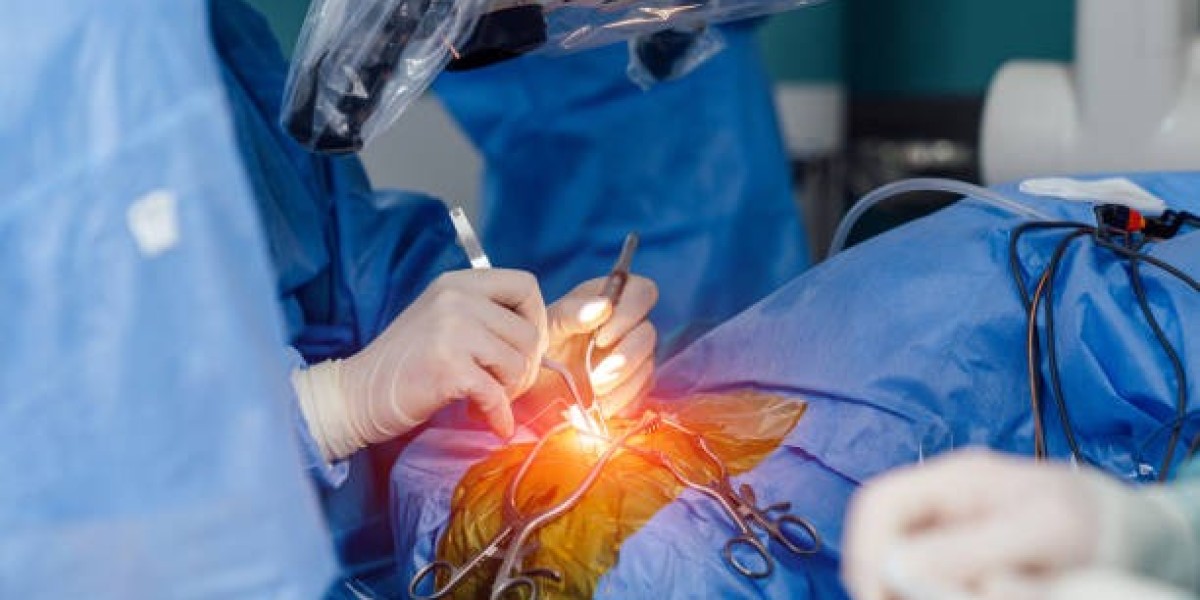

Recovering after microdiscectomy requires patience, proper aftercare, and a gradual return to normal activities. Although the procedure is designed to relieve pressure on a spinal nerve with minimal disruption to surrounding tissues, the body still needs time to heal. Following postoperative instructions can help reduce complications, support healing, and improve the chances of a successful recovery.
What to Expect After Microdiscectomy
Many patients experience improvement in nerve-related leg pain relatively soon after surgery. However, symptoms such as numbness, tingling, or weakness may take longer to improve because irritated nerves can require time to recover.
Some soreness around the incision and lower back is also common during the early recovery period. Your healthcare provider may prescribe medications to manage discomfort and provide specific instructions for caring for the surgical wound.
Recovery times vary from person to person. Factors such as overall health, the severity of the disc problem, physical activity levels, and the type of work you do can all affect how quickly you return to your normal routine.
Do: Walk Regularly
One of the most important parts of microdiscectomy aftercare is maintaining gentle movement. Walking is often encouraged soon after surgery because it promotes circulation and helps prevent excessive stiffness.
Start with short walks and gradually increase the distance as your comfort and strength improve. Avoid pushing yourself to the point of significant pain or exhaustion. Your surgeon can provide more specific recommendations based on your condition.
Regular, gentle movement is generally more beneficial during early recovery than remaining in bed for extended periods.
Do: Take Care of Your Incision
Proper wound care is essential after surgery. Follow your healthcare provider's instructions regarding bathing, dressing changes, and keeping the incision clean and dry.
Check the incision regularly for unusual redness, swelling, drainage, or changes in appearance. These symptoms may indicate an infection and should be discussed with your healthcare provider.
Avoid applying creams, lotions, or other products to the surgical area unless your medical team specifically recommends them.
Do: Follow Your Activity Restrictions
Even if you begin feeling better quickly, your spine still needs time to heal. Follow all restrictions provided by your surgeon regarding lifting, bending, twisting, driving, exercise, and work.
Gradually increasing activity is usually safer than suddenly returning to demanding physical tasks. Your healthcare provider can tell you when specific activities are appropriate based on your recovery.
Avoid: Heavy Lifting and Strenuous Exercise
Heavy lifting can place unnecessary stress on the lower back during the healing period. Patients are commonly advised to avoid strenuous activities until they receive clearance from their healthcare provider.
This may include heavy household chores, weightlifting, high-impact exercise, and activities involving repeated bending or twisting.
Even when pain has significantly improved, avoid assuming that your back is completely healed. Returning to demanding exercise too soon may interfere with recovery.
Avoid: Staying in One Position for Too Long
Long periods of sitting can sometimes increase back discomfort after surgery. If you have been cleared for normal movement, changing positions regularly and taking short walks may help reduce stiffness.
When sitting, use a comfortable position that does not place excessive strain on your lower back. Your healthcare provider or physical therapist can offer guidance on posture and body mechanics.
Physical Therapy and Rehabilitation
Physical therapy may be recommended as part of the recovery process. A personalized rehabilitation program can help improve flexibility, strengthen the muscles supporting the spine, and encourage safer movement patterns.
Do not begin advanced exercises independently without medical guidance. The appropriate timing and intensity of rehabilitation can vary depending on the patient's condition and surgical recovery.
As strength improves, your physical therapist can gradually introduce exercises that support long-term spinal health.
When to Contact Your Doctor
Most patients recover without major complications, but certain symptoms require prompt medical attention. Contact your healthcare provider if you develop fever, worsening pain, increasing redness or swelling around the incision, or unusual drainage.
New or worsening leg weakness, significant numbness, difficulty walking, or problems controlling the bladder or bowel should also be treated as urgent warning signs.
Keeping scheduled follow-up appointments allows your surgeon to monitor healing and address concerns during recovery.
Final Thoughts
Good microdiscectomy surgery aftercare focuses on allowing the body to heal while gradually restoring movement and strength. Walking regularly, protecting the incision, following activity restrictions, and completing recommended rehabilitation can all support recovery.
At the same time, patients should avoid heavy lifting, strenuous exercise, excessive bending or twisting, and rushing back to normal activities. Because every recovery is different, following your surgeon's personalized instructions is the best way to determine when it is safe to resume specific activities.