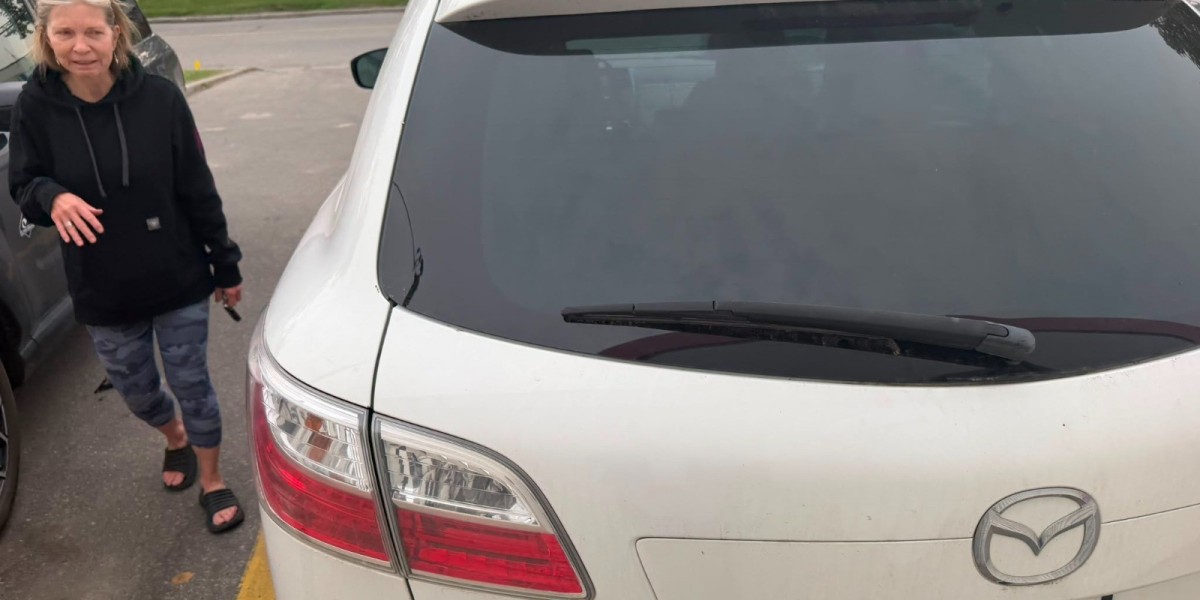

When an old vehicle starts developing expensive problems, the hardest question is often not what is wrong with it, but what you should do next. Should you repair it and keep driving, remove valuable parts and sell them separately, or sell the entire vehicle as-is?
For Calgary vehicle owners, the right choice depends on more than the age of the car. Repair costs, mileage, condition, parts demand, current scrap value, and the amount of time you are willing to invest can all change the decision. Calgary buyers also consider whether a vehicle is complete, repairable, running, or better suited for salvage.
Understanding the differences between these three options can help you avoid spending money on a vehicle that no longer makes financial sense.
Start With the Car's Current Condition
Before deciding what to do, make an honest assessment of the vehicle.
Consider whether the engine runs, whether the transmission works properly, whether the body has significant rust or collision damage, and whether important components are missing. Also consider the mileage and whether the vehicle has been sitting unused for an extended period.
A car with one manageable problem is very different from a vehicle that needs an engine, transmission, brakes, tires, suspension work, and electrical repairs.
Do not automatically assume that an old car is worthless. Likewise, do not assume that an expensive repair will automatically make the vehicle valuable again.
Calculate the Repair Cost First
The first option to investigate is usually repair.
Ask a qualified mechanic for an estimate of the repairs that are actually necessary. Separate urgent mechanical work from cosmetic improvements that are not essential.
For example, replacing a failed alternator may be reasonable if the rest of the vehicle is in good condition. Replacing an engine, transmission, suspension components, tires, brakes, and rusted body panels at the same time can produce a very different financial picture.
Compare the complete repair estimate with what the vehicle would realistically be worth afterward.
If you would spend $6,000 repairing a car that would only be worth $4,000 in its repaired condition, continuing to invest in it may not make sense.
Don't Ignore the Vehicle's Future Costs
A repair estimate only tells you what needs fixing today.
An older vehicle may still have other problems waiting to appear. If the car already has high mileage, severe rust, recurring electrical issues, or several worn components, a major repair may only solve one part of the problem.
Think about what you are likely to spend over the next year, not just the immediate repair bill.
Calgary's weather can also be hard on older vehicles. Freeze-thaw cycles, winter driving, road conditions, and moisture can contribute to deterioration over time.
If the vehicle requires constant repairs just to remain usable, selling it may provide a cleaner financial exit.
When Does Repairing Make Sense?
Repairing may make sense when the vehicle has a strong overall condition and the required work is relatively limited.
Consider repair if:
· The engine and transmission are fundamentally sound
· The body and frame are in reasonable condition
· The vehicle has manageable mileage
· The repair cost is significantly lower than replacement
· You know the vehicle's history
· You still need reliable transportation
· You expect to keep the car for several more years
There is also value in keeping a vehicle you already know.
Buying another used car comes with its own risks. A replacement vehicle may have hidden mechanical problems, an unknown maintenance history, or immediate expenses of its own.
Before deciding to keep repairing the vehicle, it can be useful to compare its potential repair costs with what you could receive through cash for cars in Calgary.
When Should You Consider Parting Out the Car?
Parting out means selling useful components separately instead of selling the entire vehicle as one unit.
This can make sense when a vehicle contains desirable, working parts but is no longer practical to repair as a complete car.
Potentially valuable components can include:
· Engine components
· Transmission
· Wheels
· Alternator
· Starter
· Body panels
· Mirrors
· Lights
· Interior components
· Electronics
· Catalytic converter, where legally applicable
The exact value depends heavily on the vehicle's make, model, year, condition, and local demand. Calgary junk-car pricing commonly considers reusable parts along with metal value and overall vehicle condition.
However, parting out is not automatically the most profitable option.
Remember the Time and Effort Involved
The biggest mistake people make when considering parting out a vehicle is looking only at the possible selling price of individual components.
You also need to consider your time.
Removing parts can require tools, storage space, photographs, listings, communication with buyers, transportation, and waiting for individual components to sell.
Some parts may sell quickly while others could remain in your garage for months.
If you need the vehicle gone quickly, selling the entire car may be much simpler.
Don't Strip the Car Before Comparing a Whole-Car Offer
Before removing valuable components, get an idea of what the complete vehicle is worth.
This is important because removing major components can reduce the value of the remaining vehicle. Calgary buyers may consider the vehicle's completeness, reusable parts, weight, condition, and pickup requirements when calculating an offer.
For example, you might believe that selling the wheels, battery, and other components separately will automatically give you more money.
But after accounting for your time, storage, selling costs, and the lower value of the stripped shell, the difference may be much smaller than expected.
When Selling the Entire Car Makes More Sense
Selling the vehicle as-is can be the simplest choice when the repair bill is too high and you do not want the work involved in parting it out.
This can be particularly practical if the vehicle:
· Has a failed engine or transmission
· Has extensive rust
· Has been sitting for a long time
· Has high mileage
· Is no longer roadworthy
· Has multiple mechanical problems
· Was damaged in an accident
· Is too expensive to repair
· Is taking up valuable driveway or garage space
Calgary junk car buyers commonly accept non-running, damaged, high-mileage, and incomplete vehicles, although the offer depends on the specific vehicle.
Compare Three Numbers Before Deciding
A simple way to make the decision is to compare three realistic figures.
Option 1: Repair Value
Estimate the total repair cost and compare it with the vehicle's expected value after repairs.
Option 2: Part-Out Value
Estimate what the major usable components could realistically sell for, then subtract your expected costs and the value of your time.
Option 3: As-Is Sale Value
Request an offer for the complete vehicle in its current condition.
Once you have these three numbers, the decision becomes much easier.
Consider How Quickly You Need the Money
Time can change which option is best.
If you have several months available and enjoy working with vehicles, parting out might be worth considering.
If you need transportation and the car can be repaired reasonably, repairing may be preferable.
If you simply want the vehicle gone without spending more money or dealing with individual buyers, selling it as-is may be the most practical option.
There is no universal answer because the best choice depends on your circumstances as well as the vehicle itself.
Get More Than One Opinion
Do not make a major decision based on one repair estimate or one vehicle offer.
A mechanic can tell you what the car needs mechanically. A vehicle buyer can give you an idea of what the car may be worth in its current condition.
Comparing both gives you a clearer picture.
You can also compare multiple offers if you decide to sell. Focus on the actual amount you will receive and whether towing or other pickup costs are included.
Watch Out for Sunk-Cost Thinking
One common mistake is thinking, “I've already spent so much on this car, so I have to keep repairing it.”
Money already spent cannot be recovered simply by spending more.
Instead, ask what decision makes the most financial sense from today forward.
If you have already invested $3,000 in an older vehicle but another $4,000 repair is now required, the previous $3,000 should not be the reason you spend another $4,000.
Look at the vehicle's current value, future costs, and your alternatives.
What If the Car Is Worth More as Parts?
Sometimes a vehicle can genuinely have strong parts value.
A newer damaged vehicle may contain an engine, transmission, wheels, electronics, or body components that other owners need. A common model can also have stronger demand for used parts.
But parts value is highly specific.
A component is only valuable if someone actually wants it, it is in usable condition, and you can sell it for enough to justify the effort.
That is why comparing a whole-car offer before dismantling the vehicle is a smart first step.
Make the Decision Based on Total Value
The highest possible dollar amount is not always the best outcome.
Suppose parting out the vehicle could theoretically bring in more money, but it requires weeks of work, storage space, and dozens of buyer conversations.
A slightly lower whole-car offer might be better if it saves you significant time and removes the vehicle immediately.
Similarly, repairing a vehicle may give you transportation for years, making the repair worthwhile even if its resale value does not increase by the full amount spent.
The best decision balances money, time, convenience, and future reliability.
Final Checklist for Calgary Sellers
Before deciding what to do with your junk car, ask yourself:
· What exactly is wrong with the vehicle?
· How much will the necessary repairs cost?
· What could the car realistically be worth after repairs?
· Which major parts are still usable?
· Is there genuine demand for those parts?
· How much time would parting it out require?
· What would the vehicle be worth if sold as-is?
· Would I rather have the money and space now?
· Am I continuing to repair it simply because I have already spent money on it?
Answering these questions can make the choice much clearer.
Final Thoughts
Deciding whether to repair, part out, or sell a junk car in Calgary comes down to comparing realistic numbers rather than guessing.
Repairing can make sense when the vehicle is fundamentally sound and the repair cost is reasonable. Parting it out can work when valuable components have strong demand and you are willing to handle the extra work. Selling the entire vehicle may be the better option when repairs are expensive, the car has multiple problems, or you simply want a quick and straightforward solution.
Before spending more money, find out what the vehicle is worth in its current condition. Then compare that figure with the repair estimate and realistic part-out value.
That simple comparison can help you avoid putting more money into a vehicle that has already reached the end of its practical life.