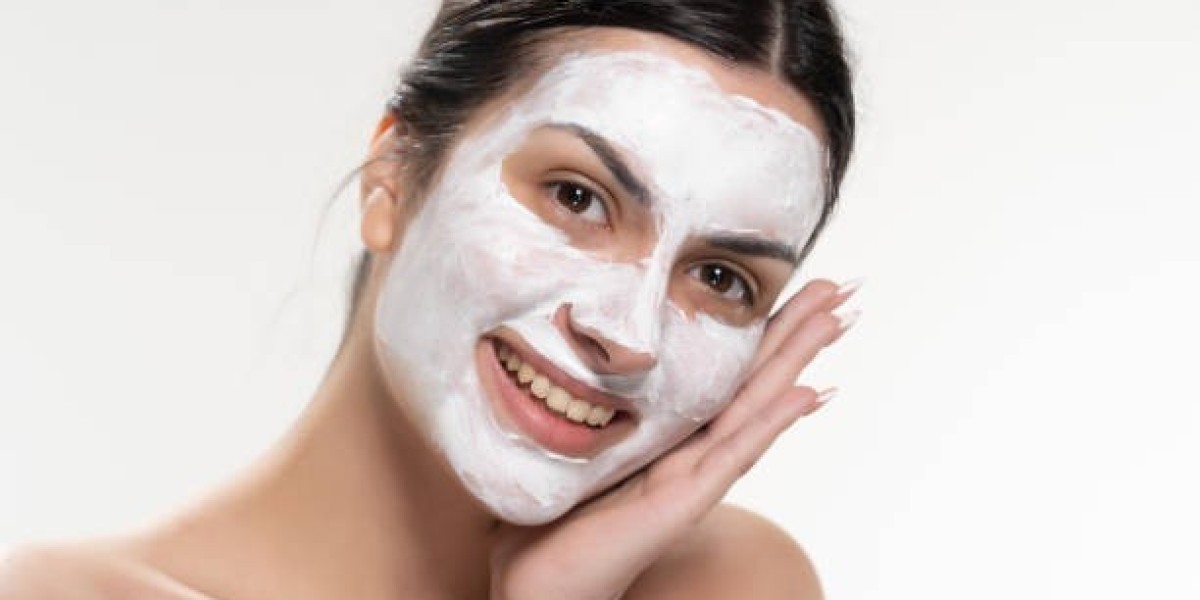

Cold peeling reveals fresher, brighter skin by removing dead surface cells and stimulating renewal. But that newly revealed skin is also newly vulnerable. Without diligent sun protection, the results you have invested in can fade quickly, and new damage can form faster than before. Cold Peeling for Face in Riyadh Understanding why sun protection matters and how to practice it consistently protects both your health and your investment. If you have undergone Cold Peeling for Face in Riyadh , this guide covers the essentials.
Why Sun Protection Matters After Cold Peeling
Cold peeling removes the outer layer of dead cells that previously provided some protection against ultraviolet radiation. The fresher skin beneath is more sensitive and more susceptible to damage. Without protection, ultraviolet exposure can trigger pigmentation, break down newly formed collagen, and accelerate the very signs of aging you are trying to address. Sun protection is not optional after cold peeling—it is essential to preserving your results. A Cold Peeling for Face in Riyadh practitioner will emphasize this as a cornerstone of aftercare.
How UV Radiation Affects Healing Skin
Ultraviolet radiation penetrates the skin and damages DNA in cells, triggering melanin production and breaking down collagen. In healing skin, this damage is compounded because the barrier is compromised and cells are actively rebuilding tissue. The result can be darkened spots, uneven tone, delayed healing, and accelerated aging of the newly refreshed complexion. Patients researching cold peel treatment should recognize that sun protection is the cheapest and most powerful way to protect their investment.
The Critical First Two Weeks
During the first two weeks after cold peeling, skin is most vulnerable. Scars and newly exposed skin are actively remodeling and adapting. This is when sun protection matters most. Even brief unprotected exposure can cause damage. Cover treated areas with hats, scarves, or sunscreen whenever outdoors, even on cloudy days. Avoid direct sun during peak hours, typically 10 a.m. to 4 p.m.
Choosing the Right Sunscreen
Broad-Spectrum Protection
Choose sunscreen labeled broad-spectrum, protecting against both UVA and UVB rays.
SPF 30 or Higher
Higher SPF provides more protection, though no sunscreen blocks 100 percent of UV rays.
Physical Versus Chemical
Mineral sunscreens with zinc oxide or titanium dioxide are gentler on healing skin.
Fragrance-Free
Avoid added fragrances that may irritate sensitive skin.
Water-Resistant
Useful if you sweat or swim, though reapplication remains essential.
Patients comparing cold peel treatment options should view quality sunscreen as an ongoing but inexpensive investment.
How to Apply Sunscreen Effectively
Apply generously to face, neck, ears, and any exposed areas. Most people apply far less than recommended—use approximately a teaspoon for the face and neck. Apply fifteen to thirty minutes before sun exposure. Reapply every two hours during outdoor activity, and more frequently if swimming or sweating. Do not forget the ears, hairline, and neck, which are commonly missed.
Beyond Sunscreen: Protective Habits
Seek Shade
Avoid direct sun during peak hours, typically 10 a.m. to 4 p.m.
Wear Hats
Wide-brimmed hats protect the face, ears, and neck.
Use Sunglasses
Quality sunglasses protect the eyes and surrounding skin.
Choose Protective Clothing
UPF-rated clothing offers additional protection.
Avoid Tanning
Tanning beds are never safe, particularly after treatment.
Be Mindful of Reflections
Water, snow, and sand reflect UV rays, increasing exposure.
Sun Protection During Early Recovery
During the first days after cold peeling, skin may be too sensitive for sunscreen. Cover treated areas with hats, scarves, or protective clothing instead. Once skin tolerates sunscreen, usually within a day or two, apply diligently. Until then, avoid direct sun exposure entirely if possible. A Cold Peeling for Face in Riyadh patient who plans for this early recovery phase avoids complications.
Long-Term Sun Protection Habits
Sun protection is not just a post-treatment concern—it is a lifelong habit that preserves your results. Continue daily sunscreen application indefinitely. Reapply during outdoor activities. Wear protective clothing and seek shade. Avoid tanning. These habits protect not only your cold peeling results but also your overall skin health and reduce skin cancer risk.
For those seeking expert guidance and customized aesthetic care, you can book an appointment consultation at the Enfield Royal Clinic .
FAQs
Why is sun protection important after cold peeling?
UV radiation damages healing skin, triggers pigmentation, and accelerates aging of results.
When can I apply sunscreen after treatment?
Once skin tolerates it, usually within a day or two; until then, use physical protection.
Is cold peel treatment safe if I am outdoors often?
Yes, with diligent sunscreen use, protective clothing, and shade.
What SPF should I use?
Broad-spectrum SPF 30 or higher, reapplied every two hours outdoors.
Can I tan after cold peeling?
No, tanning damages skin and accelerates aging; avoid tanning beds and unprotected sun exposure.