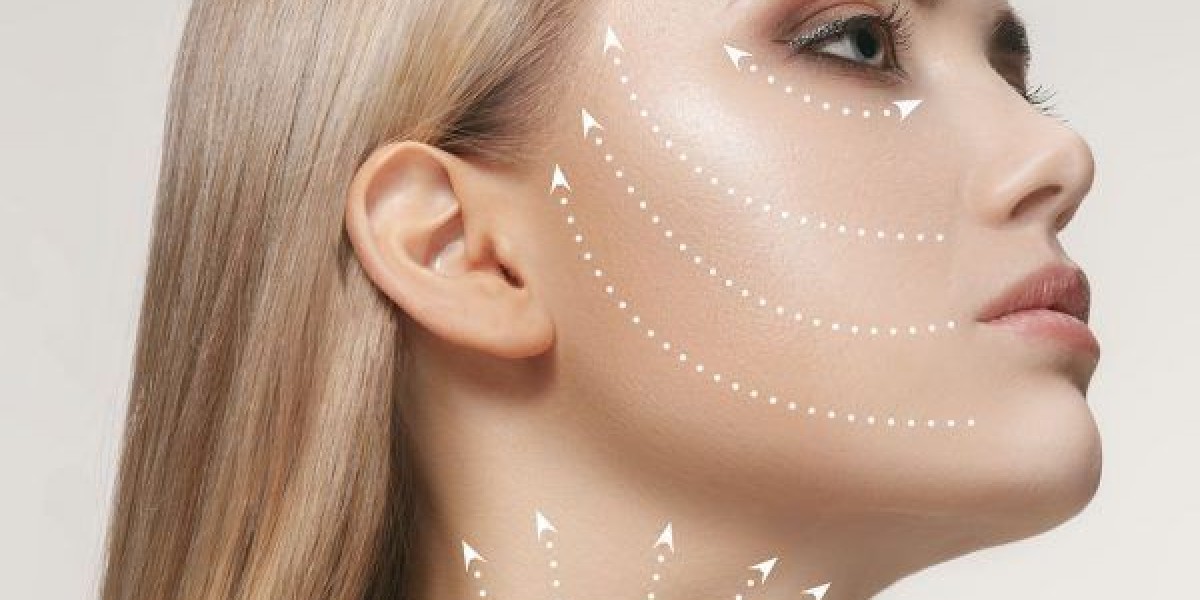

Facial aging can gradually change the shape and definition of the face as skin becomes less firm and underlying tissues shift downward. These changes may affect the cheeks, lower face, jawline, and overall facial contour. A facelift can address visible laxity by repositioning selected tissues and managing excess skin. Understanding how Facelift surgery in Riyadh can support smoother contours helps individuals explore facial rejuvenation with realistic expectations.
A defined facial shape depends on the relationship between skin, soft tissues, and natural facial structure. When these elements change with age, the face may appear softer or less structured. For suitable candidates, Facelift in Riyadh can provide a personalized approach to improving sagging skin and restoring greater definition while maintaining natural-looking facial proportions.
Understanding Changes in Facial Shape
Loss of Skin Firmness
Reduced skin elasticity can cause loose or sagging areas around the cheeks and lower face. This may make previously defined contours appear softer over time.
Changes in Tissue Position
Facial tissues can gradually descend as part of the aging process. This may contribute to jowls, less prominent cheek contours, and reduced jawline definition.
How Facelift Treatment Improves Facial Contours
Repositioning Facial Tissues
A facelift may reposition deeper facial tissues to improve support and reduce the appearance of sagging. This approach focuses on the underlying structure rather than simply pulling the surface skin.
Managing Excess Skin
After tissues are appropriately repositioned, excess skin can be carefully managed. This may create a smoother transition across the cheeks, lower face, and jawline.
Creating a Smoother Facial Appearance
Improving Loose Cheek Skin
Sagging around the cheeks can affect overall facial balance. Appropriate tissue adjustment may help create a smoother and more organized cheek contour.
Refining the Lower Face
The lower face can become less defined when loose skin and shifting tissues affect the jawline. Treatment can focus on improving these areas while respecting individual facial anatomy.
Enhancing Jawline Definition
Addressing Jowls
Jowls can develop when facial tissues descend along the lower cheeks and jaw. A facelift may help improve their appearance through tissue repositioning and skin management.
Supporting a Clearer Jaw Contour
Improved tissue support can contribute to a more structured jawline. The amount of correction should be based on the individual's facial characteristics and treatment goals.
Factors That Influence Treatment Planning
Skin Quality
Skin elasticity and overall skin condition can influence how treatment is planned and how results develop during recovery.
Degree of Laxity
The location and extent of loose skin are important when determining the appropriate surgical approach. Different levels of laxity may require different treatment strategies.
Facial Proportions
Natural facial proportions should be considered to help ensure that rejuvenation remains balanced. The objective is to improve aging-related changes without unnecessarily altering recognizable features.
Understanding Recovery After a Facelift
Temporary Swelling and Tightness
Swelling, bruising, and tightness are common during early recovery. These effects generally change as the tissues heal and gradually settle.
Gradual Development of Results
Facial contours may look different during the first stages of healing. As swelling decreases, the face can become smoother and more refined.
Maintaining Facial Definition After Recovery
Protecting Skin From the Sun
Consistent sun protection can help reduce environmental skin damage and support overall skin quality after recovery.
Following a Gentle Skincare Routine
Once healing is complete, suitable skincare can help maintain healthy-looking skin. Products and treatments should be selected according to professional recommendations.
Setting Realistic Facial Rejuvenation Goals
A facelift can improve visible signs of facial aging, but individual results depend on factors such as anatomy, skin quality, tissue laxity, and healing response. Understanding these factors helps patients develop realistic expectations. For individuals considering Facelift in Riyadh, a professional consultation can explain suitable techniques, recovery requirements, and the expected process for achieving smoother facial contours.
Book a Consultation
If you are considering facelift treatment to improve facial smoothness and definition, a professional consultation can help you understand your options. At Royal Clinic Saudi, specialists can evaluate your facial structure, skin laxity, and rejuvenation goals to create a personalized treatment approach.
FAQs:
Can a facelift create a more defined face shape?
Yes. It can improve sagging and enhance visible facial contours.
Can a facelift smooth loose cheek skin?
Yes. Tissue repositioning and skin management can reduce visible cheek laxity.
Does a facelift improve jawline definition?
It can help reduce jowls and create a more structured lower facial contour.
Are facelift results visible immediately?
No. Results develop gradually as swelling decreases and tissues settle.