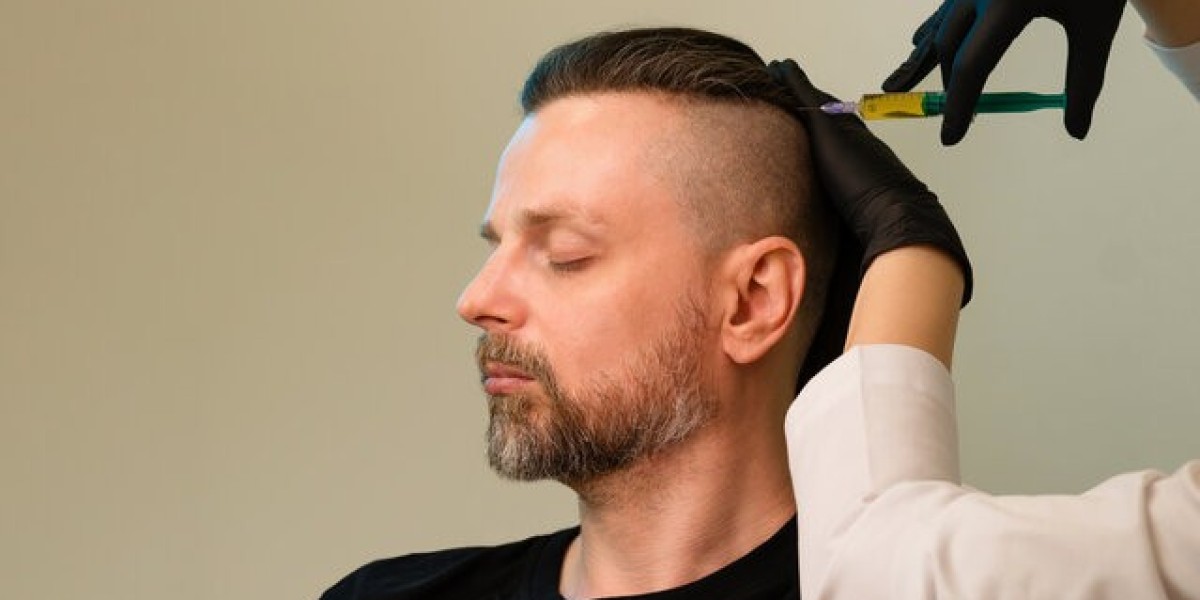

PRP in Islamabad is increasingly considered by people who want a more refreshed and healthier-looking complexion through a treatment that uses components obtained from their own blood. Platelet-rich plasma, commonly called PRP, contains concentrated platelets and naturally occurring growth factors. These components may support the body’s normal tissue-repair processes and encourage improvements in skin quality over time.
People often explore PRP when their skin appears dull, uneven, rough, or less firm than before. It may also be discussed for certain acne marks, fine lines, and changes in skin texture. Rather than producing an artificial change in facial appearance, the aim of PRP is generally to support the skin’s own regenerative activity.
What Makes PRP Different?
One of the distinctive aspects of PRP is that the treatment begins with the patient’s own blood. A small sample is collected and processed to separate the platelet-rich portion. The prepared plasma can then be used on selected areas according to the practitioner’s treatment plan.
Platelets contain substances involved in healing and tissue repair. When concentrated and used in aesthetic treatment, they may help support processes associated with skin renewal and collagen production. However, individual outcomes can vary, so PRP should be approached as a gradual skin-enhancement treatment rather than an instant solution.
For anyone researching PRP in Islamabad, learning about the procedure and having a professional skin assessment can help determine whether it matches their goals.
Which Skin Concerns Can PRP Address?
PRP is commonly explored for a range of skin-quality concerns. It may be considered when a person wants to improve the overall appearance and texture of the skin rather than simply cover imperfections.
Potential treatment goals may include:
- Improving the appearance of dull skin
- Supporting smoother-looking skin texture
- Addressing the appearance of fine lines
- Improving the look of certain acne marks
- Supporting skin firmness
- Encouraging a more refreshed complexion
- Promoting collagen-related skin renewal
The suitability of PRP depends on factors such as the condition of the skin, age, treatment area, and individual expectations.
What Happens During a PRP Session?
A PRP session generally begins with the collection of a small blood sample. The sample is placed into specialized equipment that separates the different blood components and concentrates the platelets.
After preparation, the platelet-rich plasma is introduced into the selected treatment areas using an appropriate technique. The exact method may differ depending on the purpose of treatment and the practitioner’s assessment.
At Enfield Royal Clinic in Islamabad, patients can discuss their concerns during consultation before proceeding with treatment. This allows the practitioner to understand the desired outcome and determine an appropriate approach.
Does PRP Give Immediate Results?
PRP is generally associated with gradual changes rather than an immediate dramatic transformation. The treatment is intended to support natural biological processes, which take time.
Some people may notice an initial refreshed appearance after treatment, while more noticeable skin-quality changes may develop gradually. The number of sessions can also vary according to individual needs.
Anyone considering PRP in Islamabad should understand that results are not identical for every patient. Factors such as lifestyle, age, skin condition, and adherence to aftercare recommendations can influence the overall experience.
What Is Recovery Like?
PRP is generally performed as an outpatient aesthetic procedure. Temporary redness, mild swelling, sensitivity, or small marks may occur after treatment. These effects can vary from one individual to another.
Patients should follow the specific aftercare guidance provided by their practitioner. Avoiding unnecessary irritation and protecting the skin from excessive sun exposure may be particularly important following treatment.
A professional consultation can provide more specific information about what to expect after a particular PRP session.
Why Is Consultation Important?
Although PRP uses the patient’s own blood-derived plasma, that does not mean it is automatically suitable for everyone. A proper consultation helps identify individual goals and determine whether PRP is appropriate.
The practitioner may review the patient’s skin, discuss previous treatments, consider relevant medications or conditions, and explain realistic expectations. If PRP is not suitable for a particular concern, another aesthetic option may be recommended.
This personalized process is one reason people researching Enfield Royal Clinic in Islamabad may choose to begin with a consultation rather than immediately scheduling a procedure.
How Can You Support Your Results?
Professional treatment is only one part of maintaining healthy-looking skin. Daily skincare habits can also play an important role. Using appropriate skincare products, protecting the skin from excessive sun exposure, maintaining hydration, and following professional recommendations may help support overall skin quality.
Patients should also avoid comparing their progress directly with someone else’s results. Skin responds differently from person to person, and improvement may occur at different rates.
Is PRP Worth Considering?
For people interested in improving skin quality through a treatment based on their own blood-derived plasma, PRP can be one option to discuss with an aesthetic professional. It may support collagen-related processes and contribute to improvements in texture and overall appearance over time.