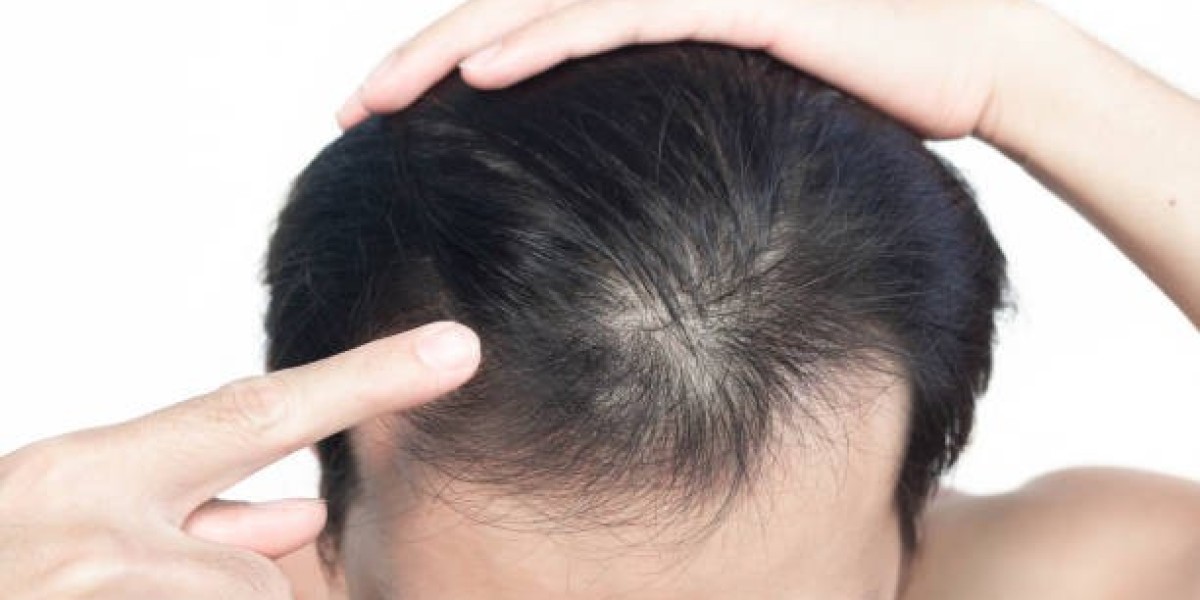

Hair thinning can develop gradually, making it difficult to notice changes until the scalp becomes more visible or the hair begins to feel less dense. PRP hair treatment has become an option for people looking to support existing hair follicles and improve the appearance of thinning areas. PRP Hair Treatment in Riyadh uses platelet-rich plasma prepared from your own blood and injected into selected areas of the scalp as part of a personalized hair-growth approach.
Understanding why hair is thinning is an important first step before considering any treatment. Hair loss can have many causes, including hereditary factors, hormonal changes, nutritional deficiencies, certain medical conditions, stress, and other influences. With PRP Hair Treatment in Riyadh, a professional assessment can help determine whether PRP is appropriate for your type and stage of hair thinning and what kind of results may be realistic.
How PRP May Help With Hair Thinning
Supporting Existing Hair Follicles
PRP contains concentrated platelets and growth-related substances. When prepared and administered appropriately, it is intended to support the activity of existing hair follicles. This makes PRP particularly relevant to people who still have viable follicles in areas affected by thinning.
Improving the Appearance of Hair Density
The goal of treatment is not simply to cover visible scalp but to support the natural hair-growth process. Over time, some patients may experience changes in hair thickness or density. However, individual responses vary, and treatment cannot guarantee a specific result.
Who May Consider PRP for Hair Thinning?
PRP may be considered for people experiencing certain types of non-scarring hair thinning where follicles remain present. Suitability depends on the underlying cause, severity, scalp condition, and overall health.
A consultation is important because different types of hair loss may require different approaches. If the follicles have been significantly damaged or a condition requires another form of treatment, PRP alone may not address the underlying problem.
What Happens During the Treatment?
Blood Collection
A small amount of blood is collected from the patient and processed to separate the platelet-rich portion. The preparation method may vary according to the provider and treatment protocol.
Scalp Injections
The prepared PRP is then injected into selected areas of the scalp. The practitioner determines the treatment points based on the pattern and location of hair thinning.
The procedure is minimally invasive, although temporary tenderness or sensitivity may occur afterward.
How Many Sessions May Be Needed?
PRP for hair thinning may involve a series of treatment sessions rather than one appointment. The number and timing of sessions depend on factors such as the individual's hair condition, treatment goals, and response.
Your practitioner can develop a schedule after evaluating your scalp and discussing your expectations. Follow-up assessments can also help determine whether the treatment plan should be continued or adjusted.
When Can You See Changes?
Hair growth is a gradual biological process, so visible improvement should not be expected immediately after treatment. Some people may notice changes in hair texture or shedding before more noticeable changes in density become apparent.
The timeline varies from person to person. Factors such as the cause of hair thinning, age, genetics, follicle health, and consistency with the recommended treatment plan can influence the response.
What Are the Benefits of PRP for Hair Thinning?
Uses Your Own Blood Components
PRP is prepared from the patient's own blood, which means the treatment does not rely on introducing donor-derived plasma into the scalp.
Minimally Invasive Approach
Unlike surgical hair restoration procedures, PRP does not involve creating surgical incisions or transplanting hair follicles. The treatment is performed through injections into targeted scalp areas.
Limited Downtime
Many people can return to their usual activities relatively quickly, although temporary tenderness, redness, or swelling can occur. Your practitioner will provide specific instructions about exercise, washing, and scalp care after treatment.
What Factors Can Affect Results?
PRP results can differ considerably between individuals. The underlying cause of hair thinning is an important factor, as are follicle condition, genetics, age, general health, and the treatment protocol.
Lifestyle and scalp care may also contribute to overall hair health. However, healthy habits cannot guarantee a particular PRP outcome. A professional evaluation remains important when determining what treatment can realistically achieve.
Can PRP Stop Hair Thinning Permanently?
PRP should not be viewed as a guaranteed permanent solution for every type of hair loss. Some causes of thinning may continue to affect hair follicles over time, which means ongoing monitoring or maintenance treatment may be considered.
Your practitioner can explain how your underlying condition may influence the longevity of results and whether additional sessions or complementary approaches may be appropriate.
PRP Compared With Other Hair-Loss Treatments
Hair thinning can require different approaches depending on its cause. Options may include prescription medications, topical treatments, lifestyle changes, treatment of underlying nutritional or hormonal issues, or surgical hair restoration in selected cases.
PRP may be used alone or as part of a broader hair-management plan. The appropriate option depends on an individual's diagnosis, goals, medical history, and response to treatment rather than a one-size-fits-all approach.
What Should You Do Before Treatment?
Before PRP Hair Treatment in Riyadh, provide your practitioner with accurate information about medications, supplements, allergies, medical conditions, previous scalp treatments, and any recent changes in your health.
Follow the preparation instructions provided by your clinic. Do not stop prescribed medications or begin supplements specifically for PRP without discussing them with an appropriate healthcare professional.
When Should You Seek Professional Assessment?
If you notice sudden, severe, patchy, or rapidly progressing hair loss, professional evaluation is particularly important. Hair thinning can sometimes be associated with an underlying medical or scalp condition that requires diagnosis and targeted treatment.
A qualified practitioner can examine the scalp, discuss your hair-loss pattern, and determine whether PRP is a suitable option or whether another evaluation is needed.
Book an Appointment at Royal Clinic Saudia
If you are experiencing hair thinning and want to explore whether PRP may be appropriate for you, a professional consultation can provide personalized guidance. Book an appointment at Royal Clinic Saudia to discuss your hair-loss pattern, treatment goals, expected results, and suitable care options with a qualified practitioner.