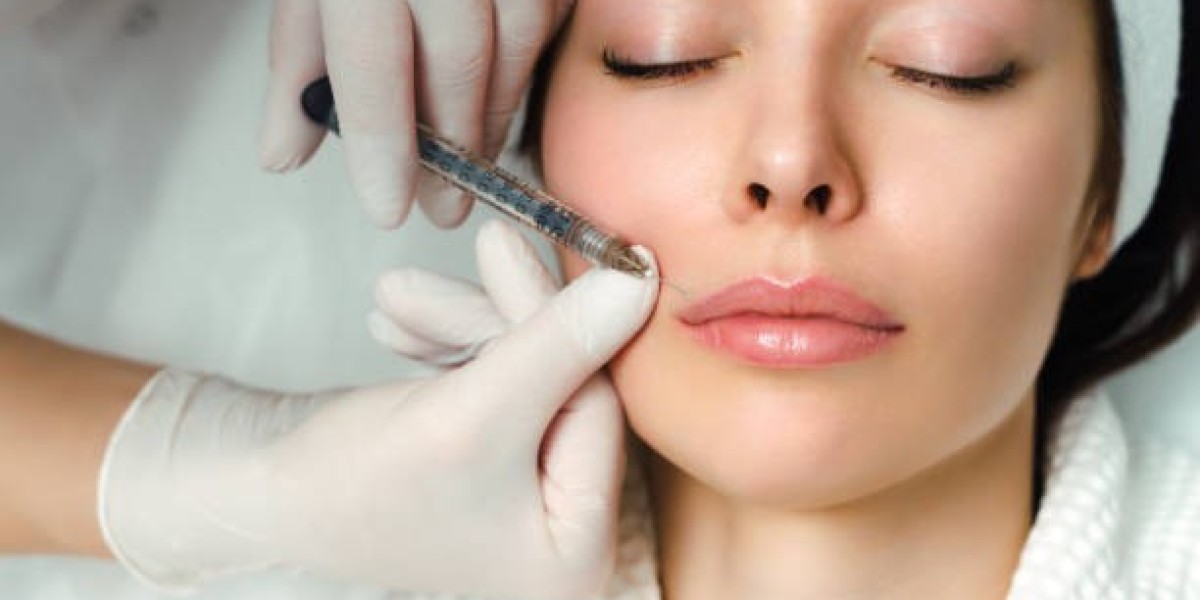
A more even-looking complexion is a common cosmetic skin-care goal. Sun exposure, acne marks, hormonal changes, aging, and inflammation can all contribute to areas of uneven pigmentation. When these concerns become noticeable, some people explore professional treatments designed to improve the appearance of their skin.
The term skin whitening treatment can refer to a range of cosmetic approaches intended to reduce the appearance of excess pigmentation and create a more uniform-looking complexion. Depending on individual needs, options may include topical products, chemical peels, laser procedures, or other professional treatments.
Before choosing a treatment, patients should understand what the procedure is designed to achieve, what factors influence results, and why professional guidance is important.
What Is Skin Whitening Treatment?
Skin whitening treatment is a broad term for cosmetic methods used to address visible pigmentation and uneven skin tone. In a professional context, the focus is generally on improving areas of excess pigmentation rather than changing a person's natural skin color.
Different pigmentation concerns can have different causes. Some people may have post-acne marks, while others may experience sun-related spots or pigmentation associated with hormonal changes.
Because of these differences, there is no universal treatment that works equally well for everyone. A professional skin assessment can help determine the underlying concern and identify appropriate options.
What Causes Uneven Skin Tone?
Melanin is the pigment responsible for the natural color of the skin. When the skin produces more melanin in certain areas, darker spots or patches may develop.
Sun exposure is one of the most common contributors to pigmentation. Ultraviolet radiation can increase melanin production and make existing dark areas more noticeable. Acne and other forms of inflammation can also leave temporary or persistent dark marks.
Hormonal changes may contribute to melasma, while aging can result in cumulative pigmentation from years of sun exposure. Irritation from unsuitable skin-care products can also contribute to discoloration.
Understanding the cause is an important part of selecting an appropriate treatment.
Common Treatment Options
Patients may encounter several approaches when researching pigmentation treatments. Each option has different considerations.
Topical Products
Certain creams and serums contain ingredients designed to improve the appearance of pigmentation. These products may be used as part of a daily skin-care routine and often require consistent application over time.
Because active ingredients can sometimes cause irritation, they should be selected and used appropriately.
Chemical Peels
Chemical peels use specially formulated solutions to exfoliate the skin. Depending on the type and depth of the peel, they may help improve the appearance of superficial pigmentation and create smoother-looking skin.
The strength and formulation should be selected according to the patient's skin characteristics and treatment goals.
Laser and Light-Based Procedures
Some professional laser and light-based treatments can target areas of pigmentation. These procedures require careful assessment and appropriate settings, particularly for people who are prone to pigmentation changes after inflammation.
A qualified provider can explain whether a particular procedure is appropriate and what recovery may involve.
Why Consultation Matters
A professional consultation should be an important part of the treatment process. During an appointment, the provider can examine the skin and discuss the patient's concerns and expectations.
Patients should provide information about their medical history, medications, allergies, previous cosmetic treatments, and current skin-care products. These details may influence treatment selection.
The consultation is also an opportunity to discuss possible side effects, the expected number of sessions, recovery time, cost, and maintenance requirements.
What Patients Should Ask
Before starting skin whitening treatment, patients can ask several practical questions. These include:
What is causing my pigmentation?
Which treatment is being recommended and why?
How many sessions might be needed?
What results are realistic?
What side effects are possible?
How long is the recovery period?
What should I avoid before and after treatment?
Will maintenance treatments be necessary?
Clear answers can help patients understand what to expect and make informed decisions.
Preparing for Treatment
Preparation varies depending on the chosen procedure. Patients may be advised to minimize unnecessary sun exposure and use broad-spectrum sunscreen regularly.
Some procedures may require temporarily avoiding certain exfoliating or irritating products. Patients should not introduce strong active ingredients or home remedies without discussing them with their provider.
It is also important to disclose all medications, supplements, allergies, and previous reactions to skin-care products.
Following preparation instructions carefully can help create a more suitable environment for treatment.
What to Expect During Treatment
The experience depends on the treatment method. Topical products can become part of a regular skin-care routine, while professional procedures may involve cleansing the skin before applying a peel or using specialized equipment.
Some procedures may produce sensations such as warmth, tingling, or mild discomfort. Temporary redness or sensitivity may occur afterward.
The provider should explain the procedure beforehand, including what sensations may occur and how long the appointment is expected to take.
Aftercare and Skin Protection
Aftercare is an important part of achieving and maintaining cosmetic improvements. Depending on the treatment, patients may experience dryness, peeling, redness, or temporary sensitivity.
Gentle cleansing and moisturizing may be recommended during recovery. Patients should avoid picking, scratching, or aggressively exfoliating treated areas unless specifically instructed to do so.
Sun protection is particularly important. Regular broad-spectrum sunscreen use and sensible sun-avoidance practices can help reduce additional pigmentation caused by ultraviolet exposure.
Understanding Potential Risks
Like other cosmetic treatments, skin whitening treatment can have potential side effects. These may include irritation, dryness, redness, sensitivity, or temporary changes in pigmentation.
Certain procedures may carry additional risks when performed incorrectly or on unsuitable skin. This is one reason why professional assessment and appropriate treatment selection are important.
Patients should be cautious about unregulated products that promise dramatic results within a very short period. Products with undisclosed or inappropriate ingredients may cause unwanted skin reactions.
Setting Realistic Expectations
Patients should understand that pigmentation treatment does not guarantee flawless or permanently uniform skin. Results can vary according to skin type, pigmentation cause, treatment method, lifestyle, and adherence to aftercare.
Some pigmentation conditions may require several sessions or long-term management. Even after visible improvement, continued sun protection and an appropriate skin-care routine can be important.
The goal should be healthier-looking, more balanced skin rather than unrealistic promises of permanent transformation.
Conclusion
Skin whitening treatment can involve different cosmetic approaches for improving the appearance of uneven pigmentation. For patients considering treatment, understanding the cause of pigmentation, available options, potential risks, and realistic outcomes is essential.
A professional consultation can help identify a suitable approach and provide personalized preparation and aftercare instructions. With appropriate treatment, consistent sun protection, and realistic expectations, patients can work toward a more even-looking complexion while supporting overall skin health.
FAQs
1. Is skin whitening treatment the same for every patient?
No. Treatment depends on factors such as skin type, pigmentation cause, sensitivity, medical history, and individual goals. A personalized assessment can help determine an appropriate approach.
2. How many sessions of skin whitening treatment may be required?
The number of sessions varies by treatment and pigmentation concern. Some patients may need multiple professional sessions, while others may use topical products as part of longer-term skin care.
3. Is skin whitening treatment safe?
The safety of a treatment depends on the specific method, product, individual skin characteristics, and how it is performed. Professional assessment and appropriate product selection can help reduce unnecessary risks.
4. How can patients maintain results after skin whitening treatment?
Consistent sun protection, gentle skin care, appropriate moisturization, and following professional aftercare recommendations can help maintain a more even-looking complexion.
For more information visit
Enfield royal clinic in islamabad