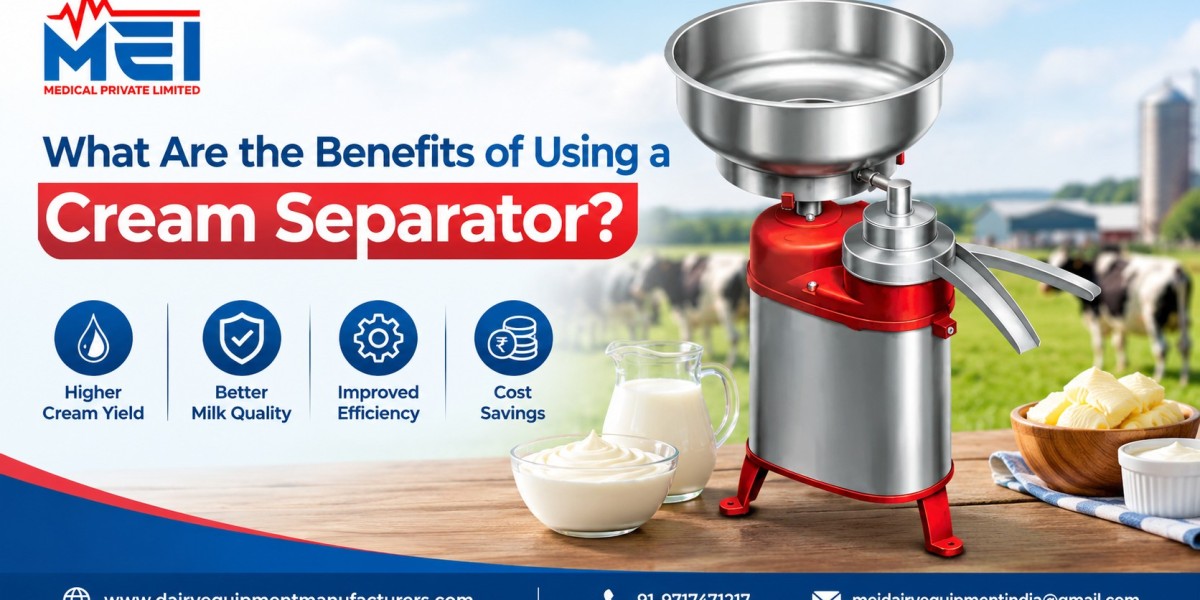

A Cream Separator gives dairy processors a defined way to separate cream from milk as part of the production process. For wholesalers, procurement managers, and brand owners, the benefit is not limited to the machine itself. The larger value comes from selecting equipment that matches the approved processing requirement.
The Cream Separator should be evaluated against production needs, purchase conditions, and internal quality expectations. Specification verification, QC inspection, sampling approval, packaging, lead time, and dispatch planning all influence whether the equipment delivers practical value after purchase.
Most buyers first ask about price. That makes sense commercially, but price comparison is useful only after the required specification has been clearly defined.
Why Specification Approval Comes Before Production
Before asking for a final quotation, the buyer should provide the required application, quantity, configuration where applicable, delivery expectations, and other relevant purchasing details.
That's where written specification approval becomes important. Details discussed during calls should also be reflected in the quotation, approval documents, and final purchase order.
If sampling approval or technical confirmation is required, it should be completed before the production batch starts. Specification mismatch becomes harder to correct once manufacturing or order processing is already underway.
Most shipment delays often begin because one or more requirements remain unclear during approval. A small misunderstanding at the start can turn into a delivery issue later.
How a Cream Separator Supports Better Process Control
A Cream Separator provides a dedicated separation stage within dairy processing. When correctly selected for the intended requirement, it can help production teams work with a clearer and more organised process.
Another benefit is better internal control. Procurement, QC, stores, and production teams can work from the same approved specification during receiving and inspection.
There is a limitation. Equipment alone cannot correct poor operating practices, unsuitable process conditions, or incorrect use. Buyers should not expect a machine purchase to solve problems that actually come from process control.
What Buyers Should Check While Evaluating Suppliers
While reviewing Cream Separator Manufacturers, buyers should ask how specifications are confirmed, how orders are checked before production, and what happens when supplied equipment does not match the approved requirement.
Nobody tells you much about complaint handling during the sales stage. Ask anyway. A supplier that cannot explain how complaints are recorded, reviewed, and communicated may create unnecessary delays after delivery.
For procurement teams evaluating Cream Separator Suppliers, lead time, sampling requirements, packaging responsibility, dispatch communication, and freight terms are as important as the commercial quotation.
We've seen purchasing problems grow because the final purchase order was never compared properly with the approved quotation.
Why Better Procurement Control Creates Real Benefits
The benefit of buying suitable equipment is not just operational. A controlled purchase can reduce unnecessary coordination between QC, stores, production, procurement, and the supplier.
One mistake buyers make is looking only at unit cost. MOQ may change the actual commercial value of an order. Buying additional quantity to secure a lower price can increase inventory and working-capital requirements.
Sampling delays should also be considered during planning. If approval is needed before production, that period must be included in the realistic delivery schedule.
Which means good procurement is not simply about negotiating harder. It is about reducing uncertainty before the purchase order is released.
Why Supply and Dispatch Planning Matter
Buyers dealing with Cream Separator Suppliers in India should confirm availability, realistic lead time, packaging, dispatch documents, and freight responsibility before placing an order.
Packaging problems rarely appear while equipment is sitting safely inside the supplier's premises. They often become visible after loading, transportation, unloading, or warehouse handling.
Before dispatch, verify the approved description, quantity, delivery location, consignee details, packaging instructions, and transporter information.
Transit damage cannot be eliminated completely. Suitable packaging can reduce risk, but freight handling and unloading still remain variables.
What Manufacturer Evaluation Should Actually Include
Procurement teams comparing Cream Separator Manufacturers in India should assess more than marketing claims. Specification confirmation, QC procedures, dispatch communication, packaging control, and complaint handling should all form part of vendor evaluation.
MEI Medical's provided USP states that the company is ISO-certified. Buyers should still verify certificate validity, current status, and relevant scope during their own supplier approval process.
Even experienced buyers sometimes give certification too much weight. Certification can support vendor assessment, but it does not replace order-specific quality checks or commercial verification.
What Should Be Checked Before Issuing the Purchase Order?
Before releasing the PO, confirm equipment description, quantity, agreed specification, price, expected lead time, delivery terms, packaging instructions, and required documents.
Purchase order accuracy matters because even a correct quotation can turn into a wrong supply if the final PO contains an outdated description or incorrect delivery instruction.
Any approved changes should be documented rather than left only in calls or messages.
Conclusion
A Cream Separator can support a more organised dairy processing operation, but its practical benefits depend on correct specification, supplier evaluation, QC inspection, realistic lead-time planning, and proper dispatch control.
The safest buying approach is straightforward: define the requirement, approve it before production, verify it during purchasing, and confirm it again before dispatch.
FAQs
1. What is the main benefit of using a Cream Separator?
A Cream Separator provides a defined cream-separation stage within dairy processing. Its actual value depends on selecting equipment that matches the buyer's process and operating requirement.
2. Should buyers select equipment mainly on price?
No. A lower price may come with unsuitable MOQ, longer lead time, weak packaging arrangements, or specification differences. Compare technical and commercial conditions together.
3. How does QC help during procurement?
QC gives the receiving team a clear basis for checking the supplied equipment against approved requirements. It cannot prevent every issue, but it can identify mismatches before they become larger problems.
4. Is ISO certification enough to approve a supplier?
No. Buyers should verify certificate validity and scope while also checking specifications, QC practices, delivery planning, commercial terms, and complaint handling.