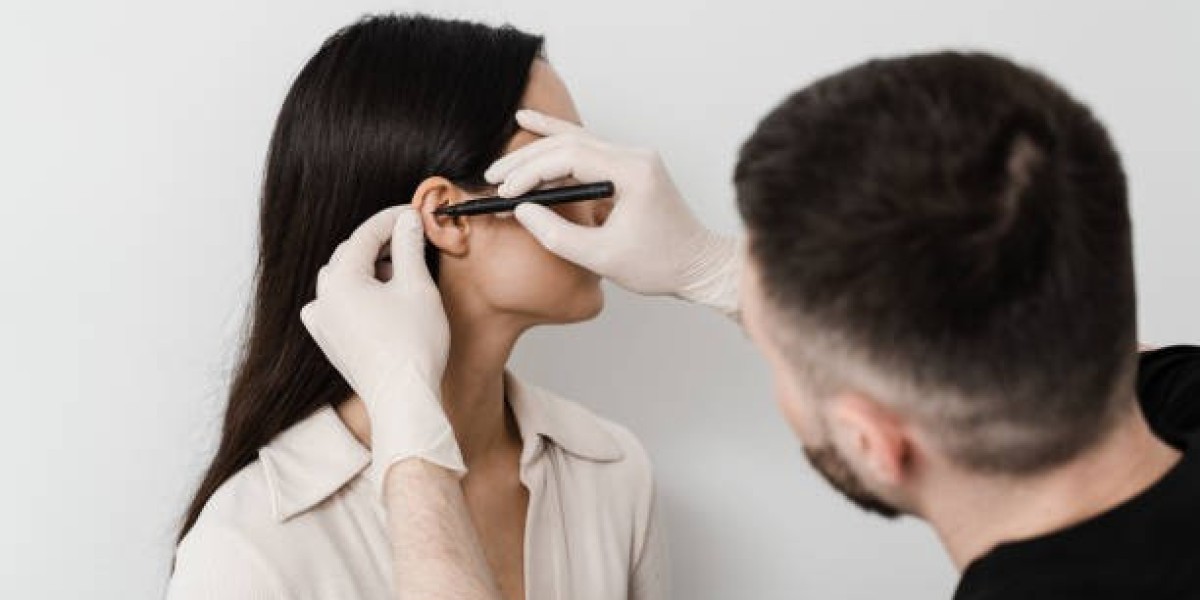

Natural ears are rarely perfectly identical, and small differences in size, shape, angle, or position are common. However, more noticeable asymmetry can sometimes affect facial balance and become a cosmetic concern. Ear surgery can be used to improve certain differences between the ears by reshaping or repositioning the cartilage. Patients considering Ear Cosmetic Surgery in Riyadh (جراحة تجميل الأذن في الرياض) should understand that the goal is generally to create better balance and proportion rather than perfectly identical ears.
The approach depends on the specific type and degree of asymmetry. During Ear Cosmetic Surgery in Riyadh, a surgeon may use different techniques on each ear to achieve a more harmonious appearance. A detailed examination is important because asymmetry can involve ear position, cartilage shape, size, or a combination of several structural features.
What Causes Asymmetrical Ears?
Ear asymmetry can develop for several reasons. Some differences are present from birth, while others may become more noticeable with growth, injury, or changes in the surrounding tissues.
Natural Differences
Most people naturally have some degree of difference between their ears. One ear may sit slightly higher, have a different curve, or project farther from the head.
Structural Differences
More noticeable asymmetry can involve differences in cartilage formation, ear position, size, or the angle between the ear and the head. These characteristics can be assessed during a surgical consultation.
Can Otoplasty Correct Asymmetrical Ears?
Otoplasty is commonly used to reshape or reposition the external ears. When asymmetry is caused by differences in cartilage structure or ear position, surgical correction may help create greater visual balance.
Individualized Correction
The surgeon evaluates each ear separately rather than assuming both require exactly the same adjustment. One ear may need more reshaping or repositioning than the other.
Improving Overall Balance
The objective is to reduce noticeable differences while maintaining natural ear proportions. The final result depends on the patient's anatomy and the amount of correction that can safely be performed.
What Types of Asymmetry Can Be Improved?
Different forms of asymmetry may be addressed through ear surgery, depending on their cause and severity.
Uneven Ear Position
If one ear sits higher, lower, or farther from the head than the other, repositioning techniques may help create a more balanced appearance.
Different Ear Shapes
Differences in cartilage folds, contours, or overall shape may sometimes be improved through careful cartilage reshaping.
Unequal Prominence
If one ear projects farther outward, the surgeon may adjust its position to reduce the visible difference between the two sides.
How Does the Surgeon Assess Ear Asymmetry?
Before surgery, the surgeon examines both ears from multiple angles. Measurements and visual assessment help identify the specific characteristics contributing to the asymmetry.
Comparing Both Ears
The surgeon may evaluate ear height, projection, size, contour, and relationship to the head. This provides a clearer understanding of which areas require correction.
Considering Facial Proportions
The ears are assessed in relation to the entire face and head rather than in isolation. This helps the surgeon plan changes that look appropriate with the patient's other facial features.
Can Both Ears Be Operated on Differently?
Yes, surgical planning can be different for each ear when their structures are not identical. This individualized approach may be necessary when one side has greater prominence or a different cartilage configuration.
Customized Surgical Techniques
One ear may require more cartilage reshaping, while the other may need repositioning or a smaller adjustment. The surgeon selects techniques based on the specific anatomy.
Avoiding Overcorrection
Trying to make both ears exactly identical can sometimes result in an unnatural appearance. A balanced and proportionate result is generally a more realistic objective.
What Results Can Patients Expect?
The results develop gradually as swelling decreases and the tissues heal. Patients may notice improved symmetry early, but the appearance can continue changing during recovery.
Early Postoperative Appearance
Swelling and bruising can temporarily make the ears look uneven after surgery. This does not necessarily indicate that the final result will be asymmetrical.
Long-Term Appearance
Once healing is complete, the ears are expected to have a more balanced appearance. However, minor natural differences may remain because perfect symmetry is rarely achievable.
How Long Does Recovery Take?
Recovery varies depending on the extent of correction and the individual's healing response. During the early period, patients need to protect the ears from pressure and accidental impact.
Protecting the Ears
Dressings or protective headbands may be recommended after surgery. Patients should follow instructions regarding sleeping positions, wound care, and physical activity.
Follow-Up Appointments
Regular follow-up visits allow the surgeon to monitor healing and evaluate how the ears are settling. These appointments can also help address concerns about temporary swelling or asymmetry.
What Factors Can Affect the Final Result?
Several factors can influence the outcome of ear surgery. Individual anatomy, healing response, surgical technique, and postoperative care all play a role.
Individual Anatomy
Cartilage thickness, flexibility, skin characteristics, and existing differences between the ears can affect what correction is possible.
Healing Process
The two ears may not heal at exactly the same rate. Temporary differences during recovery should not be confused with the final result.
Is Perfectly Symmetrical Ear Shape Possible?
Perfect symmetry is generally unrealistic because naturally occurring differences exist throughout the human body. Ear surgery aims to improve noticeable asymmetry while preserving a natural appearance.
Setting Realistic Expectations
A consultation should include a discussion of achievable improvements and limitations. Understanding these factors can help patients develop realistic expectations about the outcome.
Professional Evaluation
A qualified surgeon can determine whether the asymmetry is suitable for surgical correction and explain which changes may be possible.
When Should You Consider a Consultation?
A consultation may be appropriate if differences in ear shape, position, or prominence are noticeable and cause ongoing cosmetic concerns. The surgeon can assess whether surgery is appropriate and explain available options.
Discuss Your Concerns
Bring specific concerns to the consultation, such as uneven ear height, projection, shape, or size. This helps the surgeon understand the changes you would like to address.
Review Your Options
Depending on the cause of asymmetry, the recommended approach may involve reshaping, repositioning, or a combination of techniques. Your surgeon can explain the proposed plan in detail.
Book Your Appointment at Royal Clinic Saudia
Ear surgery may help improve noticeable differences in ear shape, position, or prominence while maintaining natural facial proportions. If you are considering Ear Cosmetic Surgery in Riyadh, Royal Clinic Saudia (عيادات رويال كلينك) can provide a personalized consultation to assess your ear asymmetry, discuss suitable treatment options, and explain expected recovery and results. Book an appointment to learn more about your individual treatment plan.