
High performance can open doors, but performance alone does not explain what happens after those doors open.
For accomplished leaders, founders, professionals, advisors, and philanthropic organizations, the next level of growth often depends on something less visible: understanding the systems surrounding their success.
Income, influence, organizational growth, and professional achievement are visible outcomes. Behind them are structures that determine how decisions are made, how resources move, how incentives operate, how organizations are governed, and how long-term value is preserved.
The challenge is often not a lack of ambition.
It is a lack of structural understanding.
Antomius Wise works within this space, helping leaders examine the institutional and economic mechanics that can influence outcomes long before those outcomes become apparent.
Looking Beneath the Surface
Most leadership conversations focus on performance.
How can a team become more productive? How can an organization grow? How can an executive make better decisions? How can a founder increase impact?
These questions matter, but they represent only part of the picture.
A deeper analysis asks what exists underneath those decisions.
What incentives are shaping behavior?
How is authority distributed?
What governance mechanisms are in place?
How does capital interact with the institution?
Which structures encourage long-term thinking?
Where are potential blind spots developing?
These questions shift the conversation from individual performance to institutional architecture.
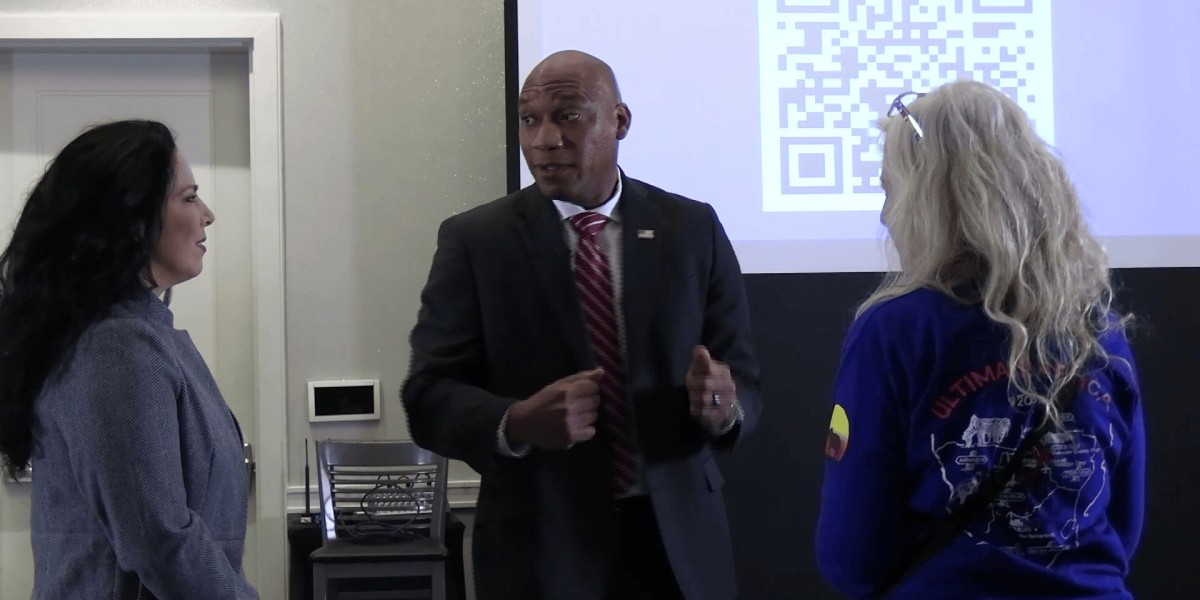
Antomius Wise brings this systems-oriented perspective into executive education, keynote engagements, workshops, and private briefings.
From Individual Achievement to Institutional Thinking
Individual success and institutional success are not always the same thing.
A highly accomplished professional may have built significant expertise and financial capacity. A successful founder may have created a rapidly growing organization. A philanthropic leader may have substantial resources available to support important causes.
Yet the structures surrounding those resources can determine how effectively they create lasting value.
Institutional thinking encourages leaders to look beyond immediate results and consider the systems that support continuity.
For founders, that can mean thinking beyond the company they are building today.
For executives, it can mean examining governance and incentives alongside strategy.
For family offices, it can mean considering how decision-making structures support multi-generational objectives.
For philanthropic leaders, it can mean exploring how capital, mission, governance, and economic infrastructure interact.
The objective is not simply to do more.
It is to understand the architecture within which important decisions occur.
Serving Leaders at the Intersection of Capital and Responsibility
Antomius Wise's work is designed for audiences operating in environments where capital, leadership, governance, and legacy intersect.
Wealth advisors and trust networks can engage with educational conversations around governance, institutional thinking, economic systems, and strategic philanthropy that complement existing advisory relationships.
Executive leadership teams can explore the structures behind organizational decision-making, including governance, incentives, authority, and institutional responsibility.
Physicians and high-income professionals can examine the broader systems surrounding significant professional and financial responsibilities.
Entrepreneurial organizations can explore what it means to transition from building a company to building an institution capable of creating value over time.
Universities and associations can introduce audiences to measured discussions around leadership, governance, economic structures, and institutional impact.
Civic and philanthropic leaders can examine how mission and capital can interact within broader economic and institutional systems.
Family offices can engage in discreet conversations surrounding governance, legacy, continuity, and multi-generational thinking.
High-capacity donors and founders can explore philanthropy through the lens of systems, structures, and long-horizon impact.
The Value of a Private Executive Briefing
Some conversations require privacy, focus, and room for deeper questions.
Private executive briefings provide a structured environment for leaders who want to explore complex issues away from the noise of public discussion.
These conversations may address strategic philanthropy, governance discipline, economic systems, institutional thinking, incentive alignment, and family legacy education.
The purpose is educational.
Rather than presenting a one-size-fits-all solution, the briefing creates space to examine the structures influencing a particular leadership or institutional environment.
That process can reveal relationships that are difficult to see when decisions are viewed individually.
A governance decision may influence incentives.
An incentive may influence behavior.
Behavior may influence institutional performance.
And institutional performance may ultimately influence long-term impact.
Seeing those connections is part of structural education.
Strategic Philanthropy Beyond Traditional Giving
Philanthropy is often framed around the act of giving.
Strategic philanthropy expands the conversation by asking what happens after the resources are committed.
How are philanthropic decisions governed?
How does capital align with mission?
What economic conditions affect the intended community?
What organizational structures support sustainability?
How can impact continue beyond the initial contribution?
These questions introduce a systems perspective into philanthropy.
Antomius Wise approaches strategic philanthropy as an educational pathway for donors, founders, and philanthropic leaders who want to better understand the structures behind long-term economic and community impact.
The emphasis remains educational rather than transactional.
The goal is to make the full scope of impact more visible.
Education Designed for the Executive Room
A keynote can create awareness.
A workshop can create deeper engagement.
Executive education can provide a framework for continued thinking.
Antomius Wise's institutional keynotes and educational engagements are designed around this progression.
The focus is not simply on what audiences hear during a presentation. It is on the mental models they take back into their organizations and decision-making environments.
Topics such as governance, economic systems, strategic philanthropy, institutional thinking, and incentive alignment become tools for examining complex environments.
This makes the work relevant to rooms where decisions carry consequences beyond the immediate moment.
Building Structures for What Comes Next
Long-term impact rarely happens by accident.
It is influenced by the structures that support leadership, capital, governance, and institutional continuity.
A strong mission needs effective structures.
Significant resources require thoughtful governance.
Organizational growth requires systems capable of supporting that growth.
And meaningful legacy requires thinking beyond the present generation.
This is the premise behind Antomius Wise's work: helping leaders see the systems beneath visible outcomes and develop a deeper understanding of the forces shaping their decisions.
The conversation is ultimately about more than performance.
It is about architecture.
Architecture determines how an institution functions, how decisions move, how incentives operate, how resources are directed, and how value can endure.
For leaders navigating the intersection of capital, governance, philanthropy, and legacy, understanding that architecture can provide an important foundation for more informed institutional thinking.
The visible outcome is only part of the story.
The deeper story is the system behind it.