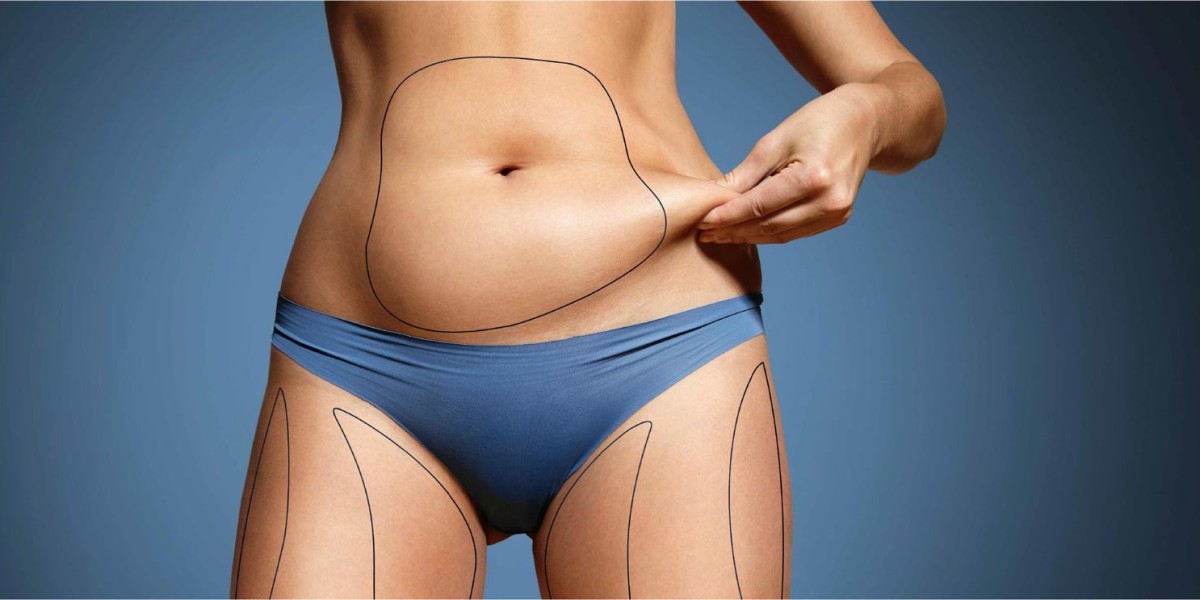

Abdominoplasty, commonly known as a tummy tuck, is a procedure designed to reshape the abdominal area by addressing excess skin, unwanted fat and, when appropriate, changes in the abdominal wall. Because every person's abdomen has a different combination of skin, fat, muscle and connective tissue, careful anatomical assessment is an important part of surgical planning.
For patients considering Abdominoplasty Dubai, the consultation is not simply about deciding how much skin should be removed. Dr. Shahram Sajjadi's approach involves evaluating the patient's individual anatomy, medical history, abdominal contour and treatment objectives before determining which type of abdominoplasty may be appropriate. His clinic explains that the procedure can be tailored according to the amount and location of excess tissue and the condition of the abdominal wall.
Understanding the abdominal anatomy before surgery allows the surgeon to plan the procedure around the patient's existing body structure rather than applying the same approach to everyone. This assessment can also help distinguish between patients who may be suited to a full abdominoplasty and those who may require a more limited procedure.
Why Is Abdominal Anatomy Assessed Before Abdominoplasty?
The abdomen consists of several layers and structures that contribute to its external appearance. These include the skin, subcutaneous fat, connective tissue and abdominal muscles. The shape and condition of these structures can vary considerably from one person to another.
Pregnancy, significant weight changes, previous surgery and natural ageing can alter the abdominal contour. Some patients may have excess skin primarily in the lower abdomen, while others may have laxity extending above the belly button.
Dr. Sajjadi's information on abdominoplasty explains that patients can have different amounts of excess skin, fat and abdominal muscle separation, which is why the procedure is tailored to individual needs.
A detailed assessment helps the surgeon understand where the changes are located and which anatomical areas should be considered during treatment planning.
How Is the Abdominal Skin Evaluated?
The skin is one of the most visible components of the abdomen and is closely examined during the consultation.
The surgeon may assess the amount of loose skin, its distribution and its quality. Particular attention can be given to whether excess skin is limited to the lower abdomen or extends toward the upper abdomen.
Previous scars can also influence the assessment. For example, patients who have undergone previous abdominal surgery may have scars that need to be considered when planning the incision and treatment area.
Stretch marks may also be observed as part of the overall skin assessment. Their location can provide information about how much of the affected skin may be included within the planned removal.
The goal is not simply to measure the amount of skin present but to understand how it contributes to the overall abdominal contour.
How Is Abdominal Fat Assessed?
Subcutaneous fat lies beneath the skin and can contribute to abdominal fullness. During the examination, the surgeon assesses the distribution and thickness of this tissue.
Fat may be concentrated in the upper abdomen, lower abdomen or across the sides of the waist. Its distribution can influence the overall shape of the torso and may be considered when determining the most appropriate surgical approach.
Abdominoplasty is not primarily a weight-loss procedure. Dr. Sajjadi's information explains that the procedure is generally considered for patients who are close to their appropriate weight and have concerns such as excess skin or abdominal laxity.
The consultation therefore focuses on body contour and tissue distribution rather than using abdominoplasty as a substitute for weight management.
How Are the Abdominal Muscles Examined?
The abdominal wall contains several muscle groups that contribute to the strength and contour of the midsection. The rectus abdominis muscles run vertically along the front of the abdomen, while other muscle groups provide support around the sides.
During pregnancy or significant changes in body size, the tissues supporting the abdominal wall can become stretched. Some patients may have separation of the rectus muscles, commonly referred to as diastasis recti.
The surgeon may examine the abdominal wall manually to assess its condition and determine whether muscle tightening should form part of the surgical plan.
Dr. Sajjadi's published information states that a full abdominoplasty may include tightening the muscles above and below the umbilicus when separation or laxity is present.
This demonstrates why assessing the abdominal wall is different from simply evaluating loose skin.
How Is the Belly Button Assessed?
The umbilicus, or belly button, is an important anatomical landmark during abdominoplasty planning.
Its position, shape and relationship with the surrounding abdominal skin are considered before surgery. The amount of skin requiring removal can determine whether the existing position of the belly button can be maintained or whether repositioning forms part of a full abdominoplasty.
In a conventional full abdominoplasty, excess skin may be removed from the area between the umbilicus and the lower abdomen. The remaining abdominal skin is then repositioned, which can require the umbilicus to be brought through a new opening.
Dr. Sajjadi's information explains that full abdominoplasty can involve an incision around the umbilicus and repositioning of the navel, whereas a mini abdominoplasty generally does not require repositioning.
Therefore, assessing the belly button is an important part of understanding the abdominal anatomy before selecting the surgical technique.
How Are Abdominal Scars Considered?
Previous abdominal scars can provide important information during the consultation.
Patients may have scars from caesarean sections, previous abdominal procedures or other surgeries. The location, direction and appearance of existing scars can be documented and incorporated into surgical planning.
The surgeon also assesses where the proposed abdominoplasty incision can be positioned in relation to existing scars and the patient's natural abdominal contours.
Because every previous surgical history is different, the effect of an existing scar on treatment planning needs to be assessed individually.
How Is the Lower Abdomen Examined?
The lower abdomen is commonly an important area of assessment because excess skin and tissue may accumulate below the belly button.
The surgeon examines the amount of skin that extends over the lower abdominal region and considers its relationship with the pubic area and hips.
The distribution of excess tissue can help determine whether a patient may require a full abdominoplasty or whether a more limited procedure could address the primary area of concern.
According to Dr. Sajjadi's information, a mini abdominoplasty may be considered when excess skin is mainly located in the lower abdomen, while a full procedure is generally used when there is more extensive laxity.
This distinction highlights why the location of excess tissue is an important part of the preoperative examination.
How Is the Upper Abdomen Assessed?
The upper abdomen is examined to determine whether excess skin and tissue extend above the belly button.
A patient may have relatively limited laxity in the lower abdomen, or they may have skin excess extending across much of the abdominal wall. The difference can influence the type and extent of surgery considered.
The surgeon also examines the transition between the upper abdomen, waist and lower chest to understand the overall contour.
This broader assessment allows the abdominal area to be considered as a complete three-dimensional structure rather than as separate areas of loose skin.
How Is Abdominal Contour Evaluated?
Abdominal contour is influenced by the distribution of skin, fat and underlying muscle structure.
During the consultation, the surgeon may assess the abdomen from the front and sides to understand its overall shape. Areas of fullness, skin laxity and differences between the two sides can be identified.
The waistline may also be considered because the abdomen does not end at the front of the body. The relationship between the central abdomen, flanks and waist contributes to the overall body contour.
Dr. Sajjadi's clinic describes abdominoplasty as a procedure that can improve the shape and contour of the abdominal region by addressing excess tissue and, where appropriate, the abdominal muscles.
How Does Body Proportion Influence Abdominoplasty Planning?
The abdomen is part of the overall torso, so its proportions can influence surgical planning.
The surgeon may consider the relationship between the abdomen, waist, hips and chest. A treatment plan focused only on the amount of skin removed may not fully address the patient's overall body contour.
For example, a patient with relatively limited lower abdominal skin excess may have different treatment requirements from someone with extensive laxity across the entire abdominal area.
The patient's body proportions can therefore help the surgeon determine the appropriate extent of treatment and whether additional contouring considerations should be discussed.
How Can Pregnancy Affect Abdominal Anatomy?
Pregnancy can produce substantial changes in the abdominal tissues. The skin can stretch, the abdominal wall can become more lax and the distribution of tissue can change.
During the consultation, the surgeon may ask about previous pregnancies and whether the patient plans to become pregnant again. This information can be relevant to determining the appropriate timing of surgery.
Dr. Sajjadi's published guidance recommends that patients who are considering future pregnancy discuss this before undergoing a full abdominoplasty.
The consultation therefore considers not only the current anatomy but also relevant future plans.
How Can Weight Changes Affect Abdominal Assessment?
Significant weight loss can leave excess skin and alter the distribution of abdominal fat. Patients who have experienced major weight changes may therefore have a different abdominal anatomy from patients whose weight has remained relatively stable.
The surgeon may discuss the patient's weight history and current weight during the consultation. This provides useful context for understanding the cause and distribution of excess abdominal tissue.
Dr. Sajjadi's guidance describes abdominoplasty as particularly relevant for individuals who have lost significant weight and are left with excess abdominal skin.
The timing of surgery can therefore be considered in relation to weight stability and the patient's overall treatment objectives.
Is an Abdominal Ultrasound Ever Used?
In some cases, additional assessment may be useful when the surgeon needs more information about the abdominal wall.
Dr. Sajjadi's abdominoplasty guide states that an abdominal wall ultrasound may be requested before surgery.
Whether imaging is required depends on the individual patient and the information obtained during the clinical examination. A physical assessment remains an important part of the consultation, while imaging can provide additional anatomical information when appropriate.
How Does Abdominal Anatomy Determine Full or Mini Abdominoplasty?
One of the important decisions during planning is determining whether the patient's anatomy is better suited to a full or mini abdominoplasty.
A full abdominoplasty generally addresses a larger area of the abdomen and may involve treatment of skin and abdominal wall structures above and below the umbilicus.
A mini abdominoplasty is more focused on the lower abdomen. Dr. Sajjadi's published guidance explains that a mini procedure may be appropriate for patients with a smaller amount of excess skin, particularly in the lower abdominal region.
The choice should therefore be based on the location and extent of tissue laxity rather than on the name of the procedure alone.
What Happens During the Abdominoplasty Consultation?
The consultation is an opportunity to combine anatomical assessment with the patient's goals.
Dr. Sajjadi's clinic describes personalised consultations in which the patient's anatomy, aesthetic goals and suitable abdominoplasty options are discussed.
The surgeon may examine the abdomen while the patient is standing and may also assess the tissues through physical examination. The discussion can include previous pregnancies, weight changes, previous abdominal surgery and the patient's expectations.
Photographs or other planning tools may also be used where appropriate.
The result of this process is a surgical plan based on the individual's abdominal anatomy rather than a predetermined procedure.
How Is the Surgical Plan Tailored to Individual Anatomy?
There is no single abdominal contour that applies to every patient. Some people have excess skin predominantly below the belly button, while others have more extensive laxity across the abdomen.
Similarly, muscle separation can vary, as can the amount and distribution of subcutaneous fat.
By evaluating each anatomical layer separately, the surgeon can determine which areas require attention and how the different components relate to each other.
Dr. Sajjadi's clinic states that the type of abdominoplasty is influenced by the location and quantity of excess skin, underlying anatomy and individual preferences.
This individualised approach forms an important part of planning Abdominoplasty Dubai.
What Does Best Abdominoplasty Dubai Mean for Anatomical Assessment?
Patients searching for Best abdominoplasty Dubai may be comparing surgeons, techniques and treatment options. However, an important part of evaluating abdominoplasty care is understanding how the surgeon approaches individual anatomy.
A suitable treatment plan should account for the patient's abdominal skin, fat distribution, muscle condition, belly button position, previous scars and overall body proportions.
Rather than selecting a procedure simply because it is described as a particular type of tummy tuck, patients can discuss how their specific anatomy affects the recommended approach.
Dr. Shahram Sajjadi's published abdominoplasty information emphasises personalised treatment and assessment of the patient's individual anatomy before selecting the appropriate procedure.
Why Is Detailed Anatomical Planning Important?
A detailed examination provides the surgeon with a clearer understanding of the patient's starting anatomy.
It helps identify whether the primary concern involves excess skin, fat, abdominal wall laxity or a combination of these features. It can also help determine the appropriate treatment area and whether a full or mini procedure should be considered.
For patients, this process provides an opportunity to understand why a particular approach may be recommended for their body.
The consultation is therefore more than a discussion about cosmetic preferences. It is a structured evaluation of the abdominal anatomy and how it relates to the patient's desired contour.
Conclusion
A detailed assessment of abdominal anatomy is an important step before Abdominoplasty Dubai. The surgeon can evaluate the skin, subcutaneous fat, abdominal wall, muscle condition, belly button, existing scars and overall body proportions before developing an individual surgical plan.
The location and amount of excess tissue can help determine whether a full or mini abdominoplasty may be appropriate, while the condition of the abdominal wall can influence whether muscle tightening forms part of the procedure. In selected patients, additional assessment such as an abdominal wall ultrasound may also be requested.
For patients considering Best abdominoplasty Dubai, a consultation with Dr. Shahram Sajjadi provides an opportunity to discuss individual abdominal anatomy, treatment objectives and the most appropriate surgical approach. Careful planning allows the procedure to be considered in the context of the patient's complete abdominal structure rather than focusing on excess skin alone.
Frequently Asked Questions
What is assessed during an abdominoplasty consultation?
The surgeon may assess abdominal skin, fat distribution, muscle condition, skin laxity, belly button position, previous scars, abdominal contour and overall body proportions. Medical and surgical history may also be discussed.
Why is abdominal anatomy important before a tummy tuck?
Abdominal anatomy varies considerably between individuals. Understanding the location of excess skin, fat and tissue laxity helps the surgeon determine which areas should be addressed and which type of abdominoplasty may be appropriate.
Is abdominal muscle separation checked before surgery?
Yes. The surgeon may examine the abdominal wall to determine whether there is muscle separation or laxity that should be considered during surgical planning.
How is abdominal skin assessed before abdominoplasty?
The surgeon evaluates the amount, location and quality of loose skin. Previous scars and stretch marks may also be considered because they can influence the treatment plan.
Does the amount of abdominal fat affect the surgical plan?
Yes. The distribution of subcutaneous fat can influence the overall abdominal contour and may be considered when planning treatment.
Is the belly button examined before a tummy tuck?
Yes. Its position, shape and relationship with the surrounding abdominal skin are assessed. Full abdominoplasty may involve repositioning the belly button, while a mini abdominoplasty generally does not.
How does pregnancy affect abdominal anatomy?
Pregnancy can stretch the abdominal skin and abdominal wall. Previous pregnancies are therefore relevant during the consultation, and future pregnancy plans can also be discussed when determining the appropriate timing for surgery.
Can previous abdominal surgery affect abdominoplasty planning?
Yes. Previous procedures can leave scars or alter the abdominal tissues. The surgeon can examine these changes and consider them when planning the procedure.
When is a full abdominoplasty considered?
A full abdominoplasty may be considered when there is more extensive excess skin or laxity involving a larger portion of the abdomen. It can also address abdominal wall changes when appropriate.
When might a mini abdominoplasty be considered?
A mini abdominoplasty may be considered when excess skin is primarily concentrated in the lower abdomen. The exact suitability depends on the patient's individual anatomy.
Is an abdominal ultrasound required before abdominoplasty?
Not necessarily. Dr. Sajjadi's abdominoplasty guide states that an abdominal wall ultrasound may be requested before surgery in some patients. Whether imaging is appropriate depends on the individual's clinical assessment.
How does weight loss affect abdominal anatomy?
Significant weight loss can leave excess skin and change the distribution of abdominal tissue. This is one reason why abdominal anatomy should be assessed individually before selecting an abdominoplasty approach.
Does body shape affect abdominoplasty planning?
Yes. The abdomen is considered in relation to the waist, hips and torso. Overall body proportions can help the surgeon plan treatment according to the patient's existing contour.
What does Best abdominoplasty Dubai involve?
There is no single procedure that is appropriate for every patient. Individual assessment of abdominal anatomy, treatment objectives and the location of excess tissue is important when determining the appropriate approach.
Can abdominal muscle tightening be part of abdominoplasty?
Depending on the patient's anatomy, abdominal muscle tightening may form part of a full abdominoplasty. Dr. Sajjadi's published information describes tightening the abdominal muscles when separation or laxity is present.
How long does an abdominoplasty procedure take?
Dr. Sajjadi's current abdominoplasty page states that the procedure takes approximately two to four hours, although the exact duration depends on the individual procedure and surgical plan.
Why is an individual consultation important before abdominoplasty?
An individual consultation allows the surgeon to examine the patient's abdominal anatomy, understand their goals and determine which treatment approach corresponds to their specific needs. This is particularly important because the amount and location of excess skin, fat and abdominal wall laxity vary between patients.