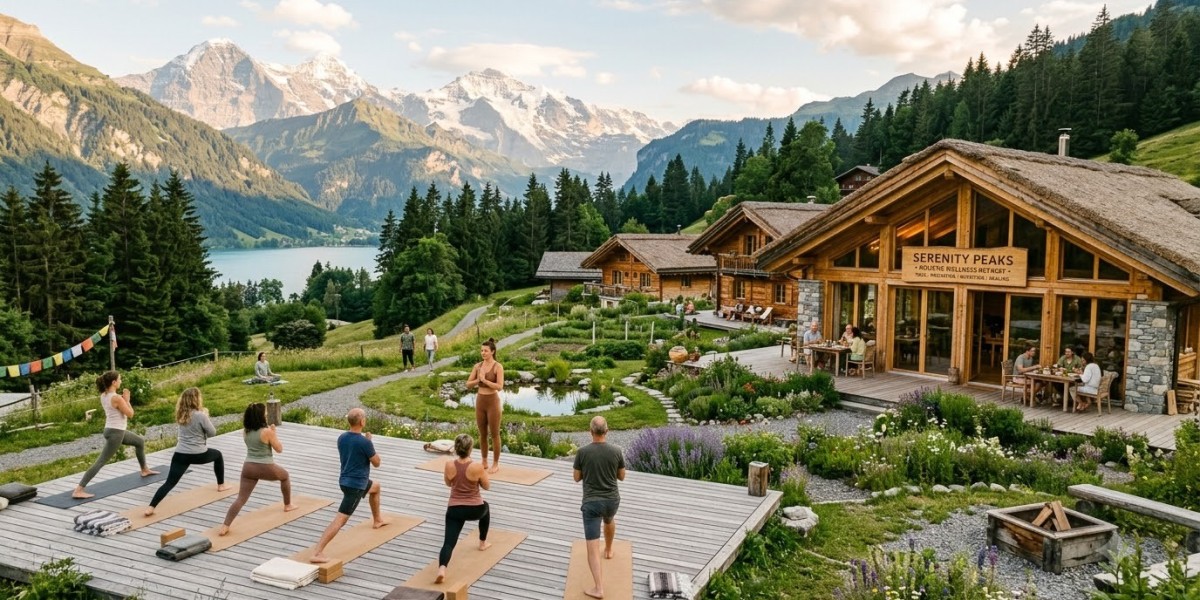

A lot of retreats call themselves luxury. Fewer deliver luxury where it matters: privacy, seamless logistics, thoughtful programming, and a setting that makes it easy to actually rest. If you’re paying premium pricing—or using rare vacation time—you want confidence that you’re choosing an experience that matches your goals, not just a glossy photo set.
If you’re comparing options, it helps to look at retreat-style properties that emphasize comfort and restoration from the start; explore luxury wellness retreats with a calm, curated stay experience to get a sense of what an experience-led approach can look like.
What “luxury” should mean in a wellness retreat
Luxury isn’t only high-end décor. In wellness travel, luxury is often reduced friction.
The four pillars of real retreat luxury
Time luxury: fewer decisions, smoother schedules, better pacing
Space luxury: privacy, quiet, and room to breathe
Care luxury: skilled guidance, safe practices, personalization
Sleep luxury: comfort that improves how you feel day-to-day
If a retreat skimps on any of these, it may look upscale but feel exhausting.
Start with your goal (because “wellness” is not one thing)
Before you compare itineraries, define the outcome you’re actually buying.
Common retreat goals
Burnout recovery: lower stimulation, longer rest windows, gentle movement
Body reset: mobility, strength, recovery practices, nutrition structure
Mental clarity: meditation, nature time, coaching, digital boundaries
Emotional processing: supportive modalities, journaling, safe space, pacing
Lifestyle reboot: routines you can take home (sleep, food, stress systems)
Write one sentence: “I want to leave feeling ______ and able to ______.”
That sentence becomes your filter.
A practical way to compare luxury wellness retreats (without getting overwhelmed)
Instead of reading every word of every package, compare retreats using these categories.
1) Accommodation quality (the overlooked “wellness multiplier”)
Ask:
Do you have your own room and bathroom?
Is the space designed for quiet and sleep?
Are there comfortable areas for reading, journaling, or simply being alone?
Even excellent programming can’t compensate for poor sleep.
2) Program design: is it paced like a retreat or crammed like a tour?
Red flags:
packed schedules from morning to night
too many “optional” sessions that create FOMO
no recovery time between activities
Green flags:
built-in integration time
clear daily themes
flexible options for different energy levels
3) Staffing: who’s actually guiding you?
Luxury should include competent care, not just amenities.
Consider:
credentials and scope (fitness vs. therapy vs. bodywork)
group size per facilitator
safety protocols (especially for breathwork, cold exposure, intense fasting)
If something is presented as therapeutic, you should be able to see exactly who provides it and what the boundaries are.
4) Food: is it restrictive, supportive, or performative?
A luxury wellness retreat doesn’t need “perfect” food. It needs food that supports your body and your mind.
Look for clarity on:
dietary accommodations (gluten-free, vegetarian, allergies)
flexibility (do you have choices?)
whether meals are meant to energize or “detox” (and what that means)
Be cautious around extreme promises or one-size-fits-all plans.
5) Privacy and boundaries
True luxury often means:
quiet spaces
limited group size (or good space planning)
clear rules around noise, phones, and shared areas
If you’re seeking deep rest, a party-friendly property is a mismatch—no matter how upscale it looks.
How to spot “marketing luxury” vs. lived-in luxury
Marketing luxury tends to focus on
influencer-style visuals
buzzwords (exclusive, elite, transformational)
vague descriptions of what’s included
Lived-in luxury shows up as
clear inclusions and schedules
transparent “what happens when” logistics
realistic expectations (no miracle claims)
policies that protect your rest (quiet hours, respectful common spaces)
When a retreat is well-run, it reads like operations—not hype.
Questions to ask before you book (and what good answers sound like)
You don’t need to interrogate the host. You’re simply confirming fit.
Ask these questions
What does a typical day look like?
Good answer: a sample schedule with rest time included.How personalized is the experience?
Good answer: clear boundaries—what is customized and what isn’t.What’s the group size?
Good answer: a number, not “intimate.”Who leads the sessions and what are their qualifications?
Good answer: names/roles and scope.What happens if I need downtime or want to skip an activity?
Good answer: “That’s normal—here’s how we support it.”
If answers are vague or evasive, keep looking.
Choosing the right type of luxury wellness retreat for your personality
If you want structure
Look for:
scheduled movement + meals
clear start/end times
check-ins and accountability
If you want freedom
Look for:
optional sessions
self-guided practices
access to quiet spaces without constant group activity
If you’re socially drained
Look for:
private spaces and strong boundaries
low-pressure community time
the ability to opt out without explanation
Matching your temperament matters as much as the amenities.
Budget reality: how to evaluate value without fixating on price
Luxury retreats can be expensive, but “value” is not only cost per night.
Value indicators
you genuinely sleep better there
programming is coherent (not random add-ons)
logistics are simple (check-in, schedules, communication)
the experience reduces decision fatigue
you leave with a plan you can maintain
If you pay less but feel stressed, it’s not a deal.
Safety and ethics: what luxury should never ignore
A high-end environment doesn’t guarantee safe practices.
Be cautious with:
extreme fasting without medical oversight
intense breathwork without screening
cold exposure presented as universal
“trauma release” claims without qualified professionals
Luxury includes responsible boundaries and transparent scope.
How to prepare so you get more out of the retreat
One week before
reduce caffeine/alcohol if you plan to
choose a realistic intention (not a life overhaul)
set an “away” message and limit commitments after return
Pack for nervous-system comfort
a light layer (for cool rooms)
journal + pen
comfortable walking shoes
sleep supports (mask, earplugs) if you’re sensitive
Set a re-entry plan
Block the first evening home for groceries, laundry, and early sleep. The benefits last longer when you protect your landing.
What to do if you’re torn between two luxury wellness retreats
Use a tie-breaker scorecard. Rate each from 1–5:
sleep setup quality
schedule pacing
privacy/quiet likelihood
facilitator clarity
food flexibility
ease of travel
cancellation terms
Then pick the one with fewer “unknowns.” Uncertainty is stress, and stress is the opposite of what you’re buying.
Frequently Asked Questions
Frequently Asked Questions
### What makes a retreat “luxury” beyond the room?
In wellness travel, luxury is often seamless pacing, privacy, and thoughtful operations—clear schedules, restful spaces, and skilled guidance that helps you feel safe and supported.
### Are luxury wellness retreats only for experienced retreat-goers?
No. Many people choose a premium retreat specifically because it reduces decision fatigue. The key is picking one with clear structure, transparent inclusions, and an easy arrival process.
### How do I avoid retreats that overpromise results?
Be wary of guaranteed transformations, medical-sounding claims, or “detox” language without specifics. Look for realistic outcomes and clear boundaries about what’s offered.
### Should I choose a retreat with a packed itinerary to get my money’s worth?
Not usually. Rest and integration time are part of the value. A schedule that leaves you depleted can cancel out the benefits of the experience.
### What’s the best way to compare two options quickly?
Compare sleep setup, daily pacing, facilitator clarity, and privacy. Those factors typically determine whether the retreat feels genuinely restorative.