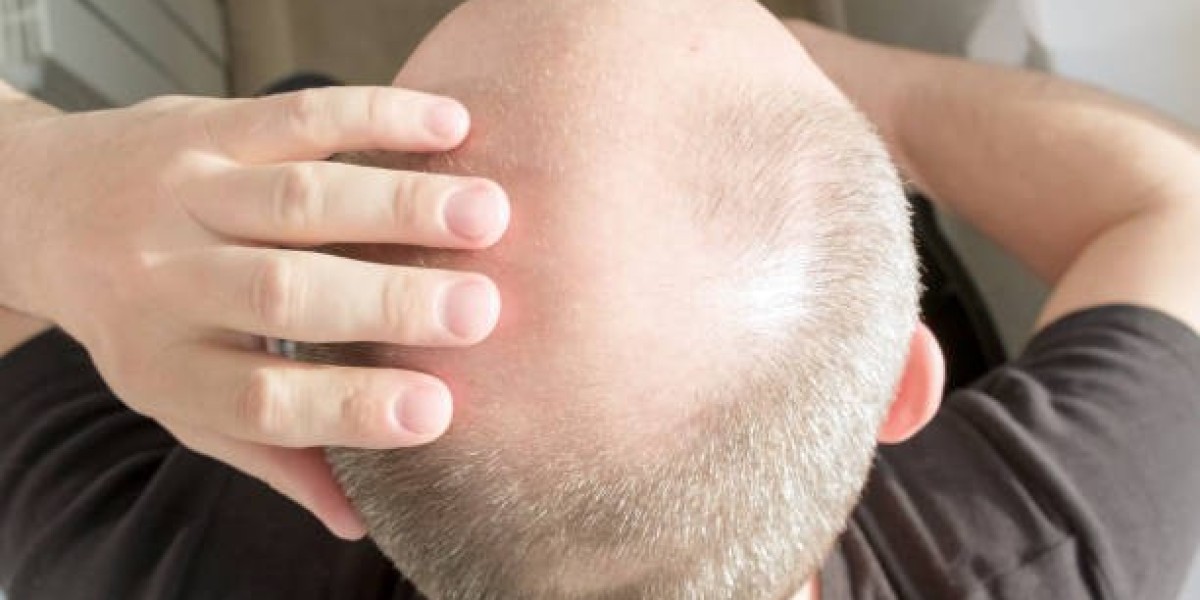

Hair loss does not always require surgery. Depending on the underlying cause, severity, and condition of the hair follicles, several non-surgical approaches may help manage shedding, support existing hair, or improve the appearance of thinning areas. The right option depends on why hair loss is occurring, because genetic thinning, nutritional deficiencies, stress-related shedding, and scalp conditions may require very different approaches. For people exploring Hair Loss Treatment in Riyadh, understanding the available non-surgical options can make it easier to discuss suitable choices with a qualified professional.
What Are Non-Surgical Hair Loss Treatments?
Non-surgical hair loss treatments are approaches that do not involve transplanting hair follicles through a surgical procedure. They can include topical or prescription medications, platelet-rich plasma (PRP) therapy, nutritional correction, and supportive scalp-care strategies.
Why the Cause Matters
Hair loss can result from genetics, hormonal changes, illness, stress, nutritional deficiencies, medications, or scalp conditions. A non-surgical treatment that may be useful for one cause may have limited value for another. Professional assessment is therefore an important first step.
Topical Hair Loss Treatments
Topical treatments are applied directly to the scalp and may be used for certain forms of hair thinning. One commonly used topical option is minoxidil, which may help support hair growth and slow progression in some people.
How Topical Treatments Are Used
The appropriate strength, application method, and frequency depend on the specific product and individual circumstances. Results generally require consistent use over time, and stopping treatment may result in a return of the underlying hair-loss pattern.
Because topical treatments can cause irritation or other effects in some individuals, professional guidance can help determine whether they are appropriate.
Prescription Treatments
Some forms of hair loss may be managed with prescription medications. These treatments work through different mechanisms and may be particularly relevant for certain types of hereditary hair loss.
Professional Assessment Is Important
Prescription treatments are not appropriate for everyone. A healthcare professional may consider medical history, age, sex, other medications, existing health conditions, and potential side effects before recommending a particular option.
Platelet-Rich Plasma Therapy
Platelet-rich plasma, commonly known as PRP therapy, is another non-surgical approach used for certain hair-loss concerns. During PRP treatment, a small amount of the patient's blood is processed to concentrate platelets, and the prepared plasma is then applied or injected into targeted areas of the scalp.
How PRP May Support Hair
Platelets contain growth-related substances that may influence tissue repair and follicular activity. Research has investigated PRP for several forms of hair loss, although results can vary between individuals. It is not suitable for every type or stage of hair loss.
Treating Nutritional Deficiencies
Nutrition can play an important role in maintaining normal hair growth. Deficiencies involving nutrients such as iron, zinc, vitamin D, protein, or other essential nutrients may contribute to increased shedding in some people.
Correct the Underlying Problem
If a deficiency is confirmed, addressing it may help improve the hair-growth cycle over time. However, taking supplements without identifying a deficiency is not necessarily helpful. Excessive intake of certain vitamins and minerals can also cause unwanted effects.
Scalp Care and Supportive Habits
Good scalp care can support a healthy environment for hair growth, although it cannot eliminate genetic hair loss on its own. Gentle washing, avoiding excessive heat or harsh chemical treatments, and protecting the hair from unnecessary traction can help reduce avoidable damage.
Healthy Lifestyle Choices
A balanced diet, adequate protein, sufficient sleep, regular physical activity, and stress management can support general health and normal hair function. These habits should complement rather than replace appropriate treatment when a specific condition is causing hair loss.
Low-Level Light Therapy
Low-level light therapy, sometimes referred to as low-level laser therapy, has been studied as a non-surgical option for certain types of hair thinning. It uses low-intensity light delivered to the scalp with the aim of influencing cellular activity in hair follicles.
Is It Suitable for Everyone?
Research findings vary, and results depend on the type and extent of hair loss. A professional assessment can help determine whether this type of treatment is appropriate and whether it fits into a broader hair-management plan.
How to Choose a Non-Surgical Treatment
The most appropriate option depends on several factors, including the cause of hair loss, its duration, the affected areas, the condition of the scalp, and the amount of existing hair.
Consider the Stage of Hair Loss
People with early or moderate thinning may have different options from those with advanced follicle loss. Treatments that support existing follicles generally require viable follicles to act upon, so expectations should be based on the individual's current hair condition.
Consider Your Treatment Goals
Some people want to reduce ongoing shedding, while others want to improve density or maintain existing hair. Clearly explaining your goals during a consultation can help guide treatment discussions.
For individuals considering Hair Loss Treatment in Riyadh, a professional evaluation can help determine which non-surgical options may be suitable for the specific pattern and cause of hair loss.
Can Non-Surgical Treatments Restore All Lost Hair?
Non-surgical treatments cannot guarantee complete restoration of lost hair. Their potential benefits depend on the cause of hair loss, follicle condition, treatment consistency, and individual response.
Set Realistic Expectations
Some treatments are designed to slow progression or support existing follicles rather than completely restore areas where follicles are no longer producing visible hair. Understanding these differences can help establish realistic expectations before beginning treatment.
When Should You Seek Professional Advice?
Consider professional evaluation if you experience persistent shedding, progressive thinning, a widening part, a receding hairline, bald patches, or scalp symptoms. Sudden or rapidly progressing hair loss should also be assessed because it can have causes other than hereditary pattern hair loss.
A professional can help identify the likely cause and determine whether a non-surgical approach is appropriate.
Book a Hair Consultation at Royal Clinic Saudia
If you are experiencing thinning or excessive shedding and want to explore non-surgical options, Royal Clinic Saudia can assess your hair and scalp and discuss suitable approaches. A professional consultation can help identify the likely cause of hair loss and establish realistic treatment expectations.
FAQs:
What is the most common non-surgical treatment for hair loss?
There is no single treatment that is appropriate for everyone. Depending on the cause, options may include topical or prescription treatments, PRP therapy, nutritional correction, or other non-surgical approaches.
Can PRP treatment help with hair loss?
PRP has been studied for certain types of hair loss and may support hair density in some individuals. Results vary, and suitability depends on the condition and cause of hair loss.
Can non-surgical treatments stop hereditary hair loss?
Some treatments may help slow progression or support existing hair in people with hereditary pattern hair loss. However, results vary and ongoing management may be necessary.
Are non-surgical hair loss treatments safe?
Safety depends on the specific treatment and the individual's health and medical history. Professional guidance can help identify potential risks, precautions, and the most appropriate option.