
Hair recovery is a phrase that means different things to different people. For some, it means slowing loss before it progresses. For others, it means restoring density in areas that have visibly thinned. PRP hair treatment occupies a specific and useful place in this spectrum—PRPHairTreatment in Riyadh not a miracle cure, but a biologically grounded option that may support follicles during a critical window. explains PRP's potential role in hair recovery and where it fits within a comprehensive approach.
What Hair Recovery Actually Means
Hair recovery is not a single outcome. It can mean reduced shedding, improved density, thicker strands, or simply preserving the hair you still have.
Understanding which definition applies to you shapes both your expectations and your treatment choices.
Why Early Intervention Is Central to Recovery
Follicles that remain active can respond to treatment. Once follicles stop functioning permanently, options narrow considerably.
This is why early intervention consistently produces better outcomes. PRP works best within this responsive window.
How PRP Fits Into Hair Recovery
PRP delivers concentrated growth factors derived from your own blood directly to the scalp. These proteins naturally participate in tissue repair and regeneration.
The treatment aims to support follicle activity rather than force new growth. It works with your biology rather than against it.
The Biological Mechanisms Behind PRP
Growth factors influence cell signaling, vascular activity, and tissue repair. In the scalp, they may encourage follicles to remain longer in the growth phase.
Improved circulation and reduced inflammation also support healthier follicle function. These combined effects contribute to the recovery process.
What PRP Can Realistically Contribute
PRP may reduce shedding, improve hair caliber, and slow further loss. For suitable candidates, these changes create visibly fuller-looking hair.
It does not restore hair in areas of permanent baldness or replace medical treatment for underlying conditions.
Who Benefits Most From PRP
Ideal candidates have early to moderate thinning with active follicles. Both men and women can benefit.
Patients with certain medical conditions, blood disorders, or active scalp infections may not be suitable.
The Treatment Process Explained
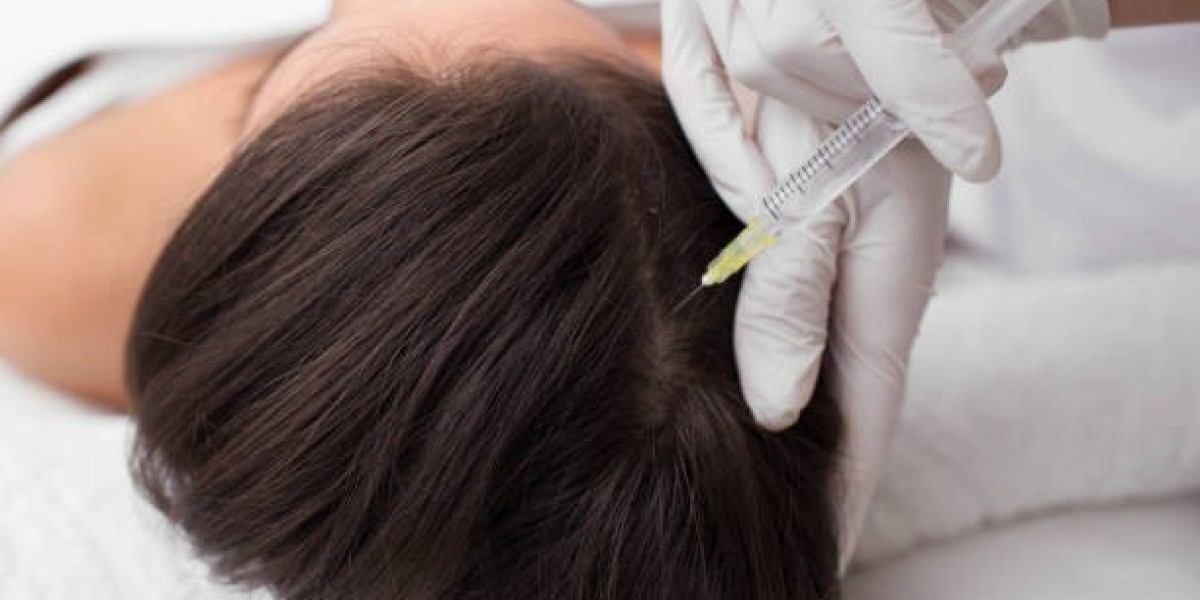
A small blood sample is drawn and processed in a centrifuge. The concentrated plasma is injected into targeted areas of the scalp.
Sessions typically take under an hour, with minimal discomfort. Most patients resume normal activities immediately.
Results Timeline for Hair Recovery
Reduced shedding often appears within weeks. Visible density improvements develop over three to six months.
Final results emerge around twelve months with consistent sessions. Photographic tracking reveals gradual change.
Why Consistency Determines Recovery
Hair growth cycles unfold slowly. A single session cannot produce meaningful change.
Regular sessions and maintenance treatments preserve density and support ongoing recovery. Consistency matters more than intensity.
Combining PRP With Other Treatments
PRP is often combined with topical or oral therapies. These address different mechanisms of hair loss.
Combination protocols may enhance recovery. Your provider can recommend what suits your situation.
Supporting Recovery Between Sessions
Gentle scalp care, balanced nutrition, and stress management support follicle health. Protein, iron, and vitamin D are particularly relevant.
Avoid harsh hair treatments, tight hairstyles, and excessive heat styling during treatment.
Potential Side Effects and Safety
Because PRP uses your own blood, allergic reactions are rare. Common side effects include temporary tenderness and redness.
Serious complications are uncommon with sterile technique. Qualified providers minimize risk significantly.
When PRP May Not Support Recovery
If follicles have permanently stopped functioning, PRP cannot restore growth. Complete baldness does not respond to treatment.
If hair loss stems from medical conditions or deficiencies, addressing the underlying cause takes priority.
Setting Realistic Recovery Expectations
PRP improves density and slows loss—it does not create a full head of new hair. Patients with realistic expectations report the highest satisfaction.
Focus on gradual improvement rather than dramatic transformation.
For those seeking expert guidance and customized aesthetic care, you can book an appointment consultation at the Enfield Royal Riyadh.
FAQs
What role does PRP play in hair recovery?
It may support follicle activity, improve density, and slow further hair loss.
How soon will I see recovery signs?
Reduced shedding appears within weeks; density improves over three to six months.
Is PRP effective for all hair loss types?
It works best for early to moderate thinning with active follicles.
How many sessions are needed?
Most protocols start with three to four sessions, then periodic maintenance.
Can PRP restore hair in bald areas?
No, it cannot revive follicles that have permanently stopped functioning.
Final Thoughts
PRP hair treatment occupies a meaningful place in hair recovery for suitable candidates. By delivering growth factors directly to responsive follicles, it may reduce shedding, improve density, and slow progression. Results develop gradually and require consistency, but within a comprehensive approach, PRP offers a genuine opportunity to support healthier hair. Recovery begins with early, informed intervention.