
Look, nobody wakes up excited to think about their building's heating and cooling setup. I get it. You've got a business to run, tenants to keep happy, and a hundred other fires to put out — sometimes literally, if your old furnace is acting up. But here's the thing. If you're running a facility anywhere near Pekin, Illinois, and you haven't had a real conversation with a commercial HVAC company Pekin IL business owners actually trust, you're probably already leaking money somewhere. Maybe it's in your energy bill. Maybe it's in a compressor that's one bad week away from quitting on you during the hottest stretch of July. Either way, ignoring it doesn't make it go away.
What Makes Commercial HVAC Different From Your House
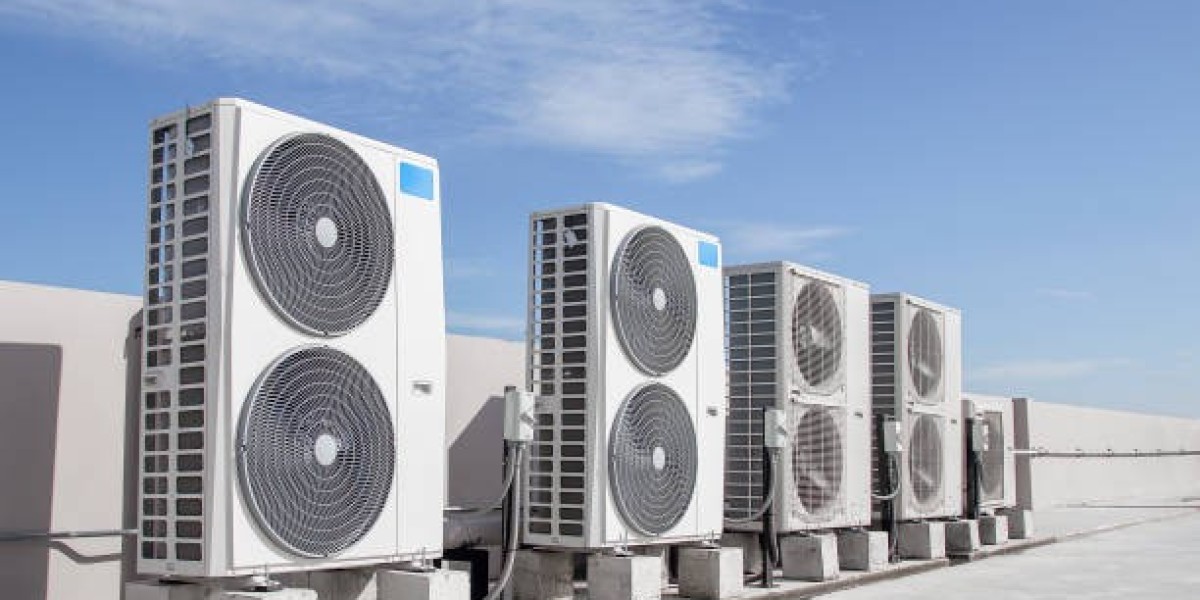
A lot of folks assume commercial systems are just bigger versions of what's humming outside their house. Not really true. Commercial units deal with different loads, different ductwork layouts, way more complicated zoning, and honestly a lot more can go wrong. You've got rooftop units, multiple air handlers, sometimes boilers running alongside chillers, and all of it has to talk to each other through a control system that, if it's old enough, might as well be speaking a dead language. Residential techs aren't always equipped for that. It takes someone who's spent real time inside commercial buildings — warehouses, office parks, retail strips — to actually diagnose what's happening instead of guessing.
Why Pekin Businesses Can't Ignore Seasonal Swings
Central Illinois doesn't do "mild." Summers get sticky and stubborn, winters bite hard, and your equipment feels every bit of that swing twice a year. A system that's not properly maintained heading into August is going to struggle, and one that's neglected before a January cold snap is asking for a shutdown at the worst possible time. I've seen it happen — a restaurant lost half a weekend's business because nobody caught a failing igniter until the dining room was 52 degrees. That's not a hypothetical, that's a Tuesday for some of these owners.
The Cost Of Waiting Too Long
Here's something people don't like hearing. Reactive maintenance, the kind where you only call somebody once something's already broken, almost always costs more in the long run. Emergency service calls run higher. Downtime costs money you can't get back. And a unit that's been limping along without attention tends to take other components down with it when it finally fails. A compressor doesn't usually just quit quietly, it drags a few other parts into the grave with it. Preventive care isn't glamorous, but it's cheaper, plain and simple.
What A Good Service Provider Actually Looks At
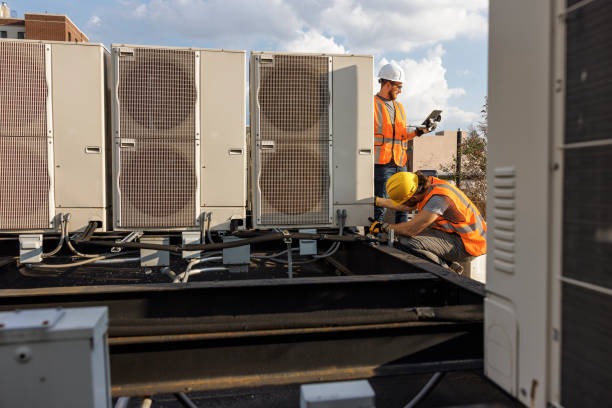
A good technician is not only concerned with changing the filters. They will check the level of refrigerant, look at the belts and bearings, check the duct system for leaks, test the thermostats and control boards, and make sure the airflow is balanced throughout the building. Technicians should also check the energy usage trends because a sudden increase in the utility bill usually means that something wears out and needs servicing. If they do not do these things, then you might as well call them for a filter change service.
Energy Efficiency Isn't Just A Buzzword Here
I know "energy efficient" gets thrown around so much it's practically wallpaper at this point. But for a commercial building, the difference between an aging system and a properly tuned or upgraded one can show up as real dollars every single month. Newer equipment, better insulation around ductwork, smarter thermostats — all of it adds up. And for older buildings around Pekin, sometimes the fix isn't a full replacement, it's smarter zoning or a control upgrade that gets more out of what's already installed. Not every problem needs a brand new unit, sometimes it just needs better management.
Building Trust With A Local Team
There is value in the local people who know the environment that they are involved in. This local team will know the codes and regulations, and the way in which the system has been maintained in the past. They also benefit from being able to get there quickly in the event of an emergency or equipment failure, rather than waiting for some distant call center to address the issue. I think that we often underestimate the value of having a reliable work force who knows what they are doing, and who have a real interest in the job.
Planning Ahead Instead Of Reacting
The smartest business owners I've worked with treat their HVAC system like they treat their books — something you check regularly, not something you deal with only when it's screaming for attention. Scheduling seasonal inspections, budgeting for gradual upgrades instead of one massive emergency expense, and actually knowing the age and condition of your equipment puts you in control. It's not exciting work. But it's the difference between a minor tune-up and a five-figure surprise.
Conclusion
At the end of the day, your building's comfort system isn't something you can set and forget, especially not in a place with the kind of temperature swings central Illinois throws at you. Whether you're managing a small office or a sprawling warehouse, staying ahead of maintenance and partnering with people who actually know commercial systems inside and out is going to save you money, stress, and probably a few sleepless nights. If it's been a while since anyone's really looked closely at your setup, that's worth fixing sooner rather than later.
FAQs
How often should a commercial building’s HVAC system be inspected?
Most commercial systems should be inspected at least twice a year, once before summer and once before winter. Buildings that are used more intensively, such as restaurants and medical facilities, may benefit from quarterly inspections.
What is the average lifespan of a commercial HVAC unit?
The average lifespan of a commercial HVAC system is between 15 and 20 years. Rooftop units in commercial buildings may need to be replaced sooner in extreme climates.
Is it more cost-effective to repair or replace a commercial HVAC system?
It depends on the age and condition of a unit. If a commercial building’s system is more than 15 years old, and it begins to require frequent repairs, it is best to replace it because the repairs will begin to cost more than the replacement would in the long run.
Do commercial HVAC companies in Pekin IL offer emergency services?
Most local companies offer emergency service and know that commercial buildings do not have the luxury of being closed during extreme weather.
Can a commercial building’s energy bills be reduced by upgrading the HVAC controls?
Modern thermostats and controls can save a surprising amount of energy for commercial buildings, so it can be worth it before replacing the entire system.