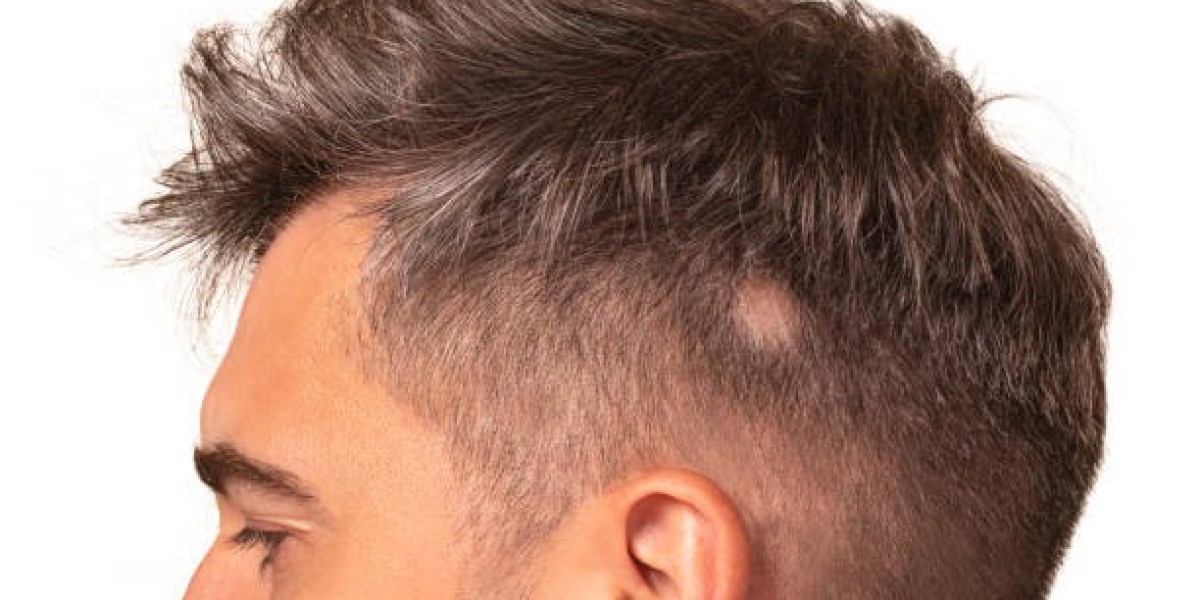

Alopecia areata treatment rarely follows a predictable path. Two patients with similar patches can respond completely differently to the same therapy. This variability is not a failure of medicine—it reflects the unpredictable nature of an autoimmune condition. Alopecia Areata Treatment Cost in Riyadh Understanding what influences treatment success, and what realistic expectations look like, helps patients approach care with clarity rather than false hope or undue discouragement.
Why Outcomes Vary So Much
Alopecia areata is driven by an immune attack on hair follicles. The intensity and persistence of that attack vary between individuals.
Genetics, duration of hair loss, extent of involvement, and overall health all influence how responsive the condition is to treatment.
Success Factor One: Early Intervention
Treatment started soon after hair loss appears tends to produce better results.
Early intervention reduces inflammation before follicles are chronically affected. Delayed treatment often requires more intensive therapy.
Success Factor Two: Extent of Hair Loss
Limited patches respond more predictably than extensive or total scalp involvement.
Smaller affected areas are easier to treat and more likely to regrow fully.
Success Factor Three: Duration of the Condition
Recent hair loss responds better than long-standing patches.
Follicles affected for years may be less responsive, though regrowth is still possible.
Success Factor Four: Treatment Consistency
Regular sessions and consistent use of topical treatments are essential.
Irregular treatment slows progress and may reduce overall response.
Success Factor Five: Choosing the Right Treatment
Different patterns of hair loss require different approaches.
Corticosteroid injections suit patchy scalp loss. Topical immunotherapy or systemic medications may be needed for extensive involvement.
Success Factor Six: Age at Onset
Younger patients sometimes respond differently than older adults, though outcomes vary.
Early-onset cases may follow a more persistent course in some individuals.
Success Factor Seven: Presence of Other Autoimmune Conditions
Coexisting autoimmune conditions may influence treatment response and require coordinated care.
Addressing overall health supports better outcomes.
Success Factor Eight: Nail Involvement
Nail changes, such as pitting, often indicate more extensive disease.
This may suggest a more persistent course and influence treatment selection.
Success Factor Nine: Stress and Lifestyle
Stress does not cause alopecia areata but can trigger flares.
Sleep, nutrition, and stress management support overall wellbeing during treatment.
Success Factor Ten: Realistic Expectations
Understanding that regrowth takes time prevents premature discouragement.
Improvement typically develops over three to six months, with full results taking longer.
What Realistic Success Looks Like
Success does not always mean complete regrowth. It may mean reduced shedding, partial regrowth, or stabilisation.
For many patients, these outcomes represent meaningful improvement.
When Treatment Does Not Work
Some cases are resistant to standard therapies. This is not a failure of effort.
Alternative treatments or combination approaches may be considered.
The Importance of Follow-Up
Regular follow-up allows your provider to adjust treatment based on response.
It also ensures early detection of recurrence.
For those seeking expert guidance and customised aesthetic care, you can book an appointment consultation at the Enfield Royal Riyadh.
FAQs
What factors influence alopecia areata treatment success?
Early intervention, extent of loss, duration, consistency, and treatment choice.
How long until treatment works?
Improvement typically develops over three to six months.
Can treatment fail?
Yes, some cases are resistant to standard therapies.
Does stress affect treatment outcomes?
Stress can trigger flares but is not the root cause.
What if my treatment is not working?
Your provider may adjust the approach or consider alternatives.
Final Thoughts
Alopecia areata treatment success depends on multiple factors—timing, extent, consistency, and treatment selection. Outcomes vary, and realistic expectations are essential. Success may mean stabilisation or partial regrowth rather than complete restoration. With professional guidance, consistent care, and patience, many patients achieve meaningful improvement. Progress is possible, even when it is gradual.