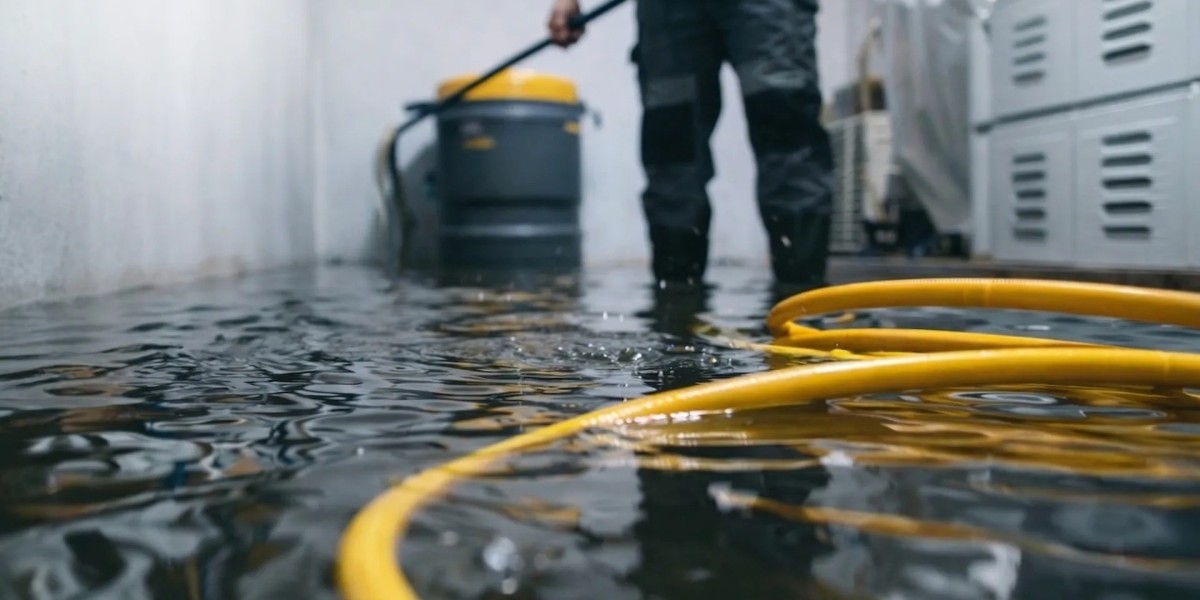

Mold can develop when moisture remains inside a property for an extended period. Plumbing leaks, basement water intrusion, roof problems, condensation, flooding, and excessive humidity can all create conditions that support mold growth. Because mold may develop in visible and hidden locations, understanding both the inspection and removal process is important when dealing with a potential moisture problem.
Understanding Mold Inspection and Removal
Mold inspection and removal are related but separate parts of addressing a mold problem. Inspection focuses on identifying visible growth, locating moisture sources, and determining which areas or materials may be affected. Removal and remediation focus on addressing the affected materials and controlling the conditions that allowed the mold to develop.
For property owners searching for mold inspection and removal Alexandria VA, a complete approach can help avoid treating only the visible portion of a larger moisture problem. Identifying the source of moisture is particularly important because mold can return if the underlying issue remains unresolved.
Why Mold Inspection Is Important
Visible mold does not always show the full extent of a problem. Growth may occur behind drywall, underneath flooring, inside cabinets, around plumbing, or within damp insulation.
An inspection can help determine where moisture is present and whether additional areas may require attention. Moisture detection tools can sometimes identify damp materials that appear dry on the surface.
A thorough inspection can also help property owners understand whether the issue appears localized or whether there are signs of a broader moisture problem.
Professional Mold Services by FloodSmartVA
FloodSmartVA helps property owners address mold and moisture-related concerns through inspection, removal, drying, cleaning, and restoration services. The appropriate process depends on the location and extent of mold growth, the materials involved, and the source of moisture.
The focus is not simply on removing visible discoloration. A more complete process considers why the mold developed and whether moisture remains in the property.
If a plumbing leak, roof leak, basement water intrusion, or excessive humidity is contributing to mold growth, that underlying issue should also be addressed.
Common Causes of Mold Growth
Mold can develop in many situations where moisture is not adequately controlled. Common causes include:
- Plumbing leaks
- Roof leaks
- Basement flooding
- Foundation water intrusion
- High indoor humidity
- Poor ventilation
- Condensation
- HVAC leaks
- Wet carpeting
- Damp insulation
- Inadequately dried water damage
Some moisture problems are immediately noticeable, while others may remain hidden for weeks or months. Regular inspections of areas vulnerable to leaks can help property owners identify issues earlier.
Signs That a Mold Inspection May Be Needed
Property owners may notice several warning signs when mold or excess moisture is present.
Common indicators include:
- Visible mold growth
- Persistent musty odors
- Water stains
- Damp walls or flooring
- Peeling or bubbling paint
- Warped materials
- Recurring condensation
- Excessive indoor humidity
- Mold returning after cleaning
A musty smell without an obvious source can be particularly important because it may indicate moisture or microbial growth in a hidden area.
The Mold Inspection Process
A professional inspection may involve several steps depending on the property and suspected source of moisture.
Visual Assessment
The property is examined for visible mold, water staining, damp materials, condensation, and other signs of moisture.
Moisture Detection
Moisture-measuring equipment can be used where appropriate to identify damp building materials and help locate areas that may require further investigation.
Source Identification
The inspection should consider possible sources such as plumbing leaks, roof problems, foundation water intrusion, drainage issues, HVAC condensation, and excessive humidity.
Affected Area Assessment
The extent of visible and suspected mold growth is evaluated to help determine the appropriate next steps.
The Mold Removal Process
Once the affected areas and moisture sources have been identified, the appropriate removal and remediation process can begin.
Containment
Where appropriate, affected areas may be separated from unaffected portions of the property during remediation work. This can help manage the movement of airborne particles.
Removal of Damaged Materials
Heavily affected porous materials may not be suitable for cleaning and may require removal. Depending on the circumstances, this can include drywall, insulation, carpeting, or other materials.
Cleaning
Surfaces and materials that can be retained may be cleaned using methods appropriate for the material and level of contamination.
Drying
Any remaining moisture should be addressed through appropriate drying and dehumidification methods. Removing mold without controlling moisture can allow the problem to return.
Restoration
Once cleaning and drying are complete, damaged areas may need repairs or replacement. This can include drywall repairs, flooring replacement, leak repairs, or other restoration work.
Mold Inspection After Water Damage
Water damage is one of the common reasons mold develops inside a property. If carpeting, drywall, flooring, or insulation remains wet for too long, mold may develop.
After flooding or a significant leak, property owners should focus on drying affected materials as quickly as practical. If musty odors, discoloration, or recurring moisture appear afterward, further inspection may be appropriate.
Addressing water damage early can help reduce the likelihood of a larger mold-related restoration project.
Mold in Basements
Basements can be particularly vulnerable because they may experience foundation leaks, groundwater intrusion, poor drainage, plumbing failures, and condensation.
Mold in a basement may appear on walls, flooring, stored belongings, or other materials. If growth keeps returning in the same location, the source of moisture should be investigated instead of repeatedly cleaning the visible surface.
Drainage improvements, leak repairs, moisture control, and appropriate ventilation may be relevant depending on the cause.
Mold in Bathrooms and Kitchens
Bathrooms and kitchens naturally experience higher moisture levels. Steam, condensation, plumbing leaks, and inadequate ventilation can contribute to mold growth.
Homeowners should regularly check under sinks, around appliances, near plumbing fixtures, and on ceilings or walls for signs of moisture.
Improving ventilation and repairing leaks promptly can help reduce conditions that allow mold to develop.
Choosing a Mold Inspection and Removal Provider
When selecting a professional, property owners should consider whether the provider evaluates both the visible mold and the underlying moisture problem.
It is useful to understand what the service includes, such as inspection, moisture assessment, containment where appropriate, affected material removal, cleaning, drying, and restoration.
A provider should also clearly explain which areas have been identified as affected and what work is recommended based on the condition of the property.
Preventing Mold From Returning
After mold removal, controlling moisture remains essential. Property owners can regularly inspect plumbing, roofs, gutters, windows, HVAC systems, and basement areas for leaks and condensation.
Wet materials should be dried promptly after water incidents. Bathrooms and kitchens should have suitable ventilation, and indoor humidity should be controlled appropriately.
Most importantly, recurring moisture problems should be repaired rather than repeatedly treating the resulting mold.
Conclusion
Mold inspection and removal work together to address both the visible problem and the conditions that allowed it to develop. A thorough approach can include visual assessment, moisture detection, source identification, containment, affected material removal, cleaning, drying, and restoration. By addressing the underlying moisture source as well as the affected areas, property owners can take practical steps toward restoring their property and reducing the likelihood of recurring mold growth.