
Understanding Fractional Laser Treatment
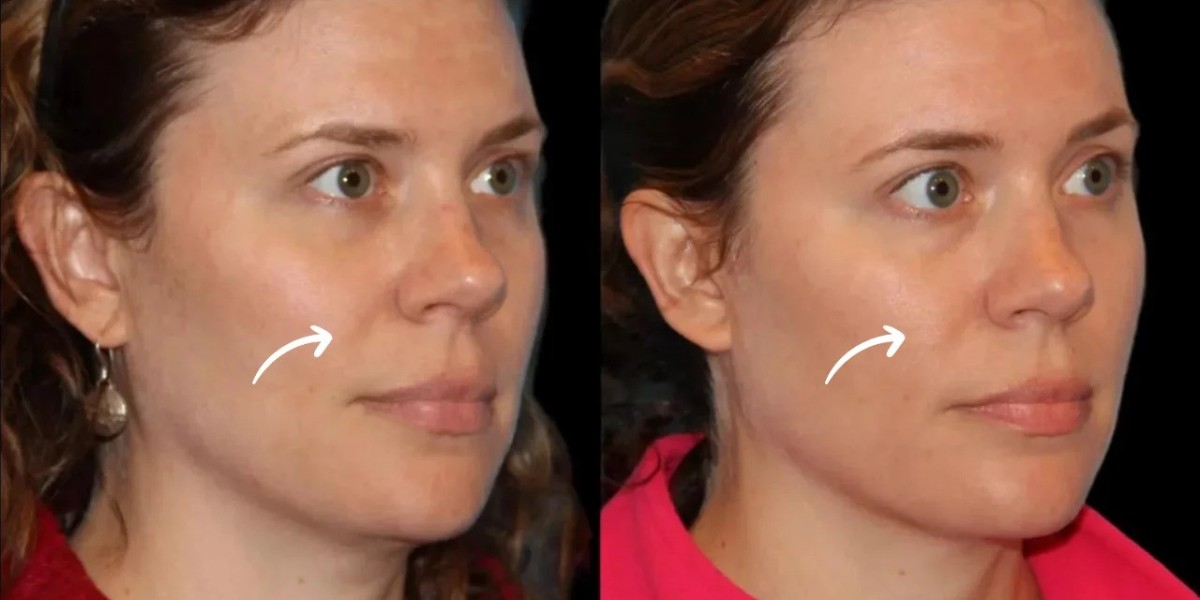
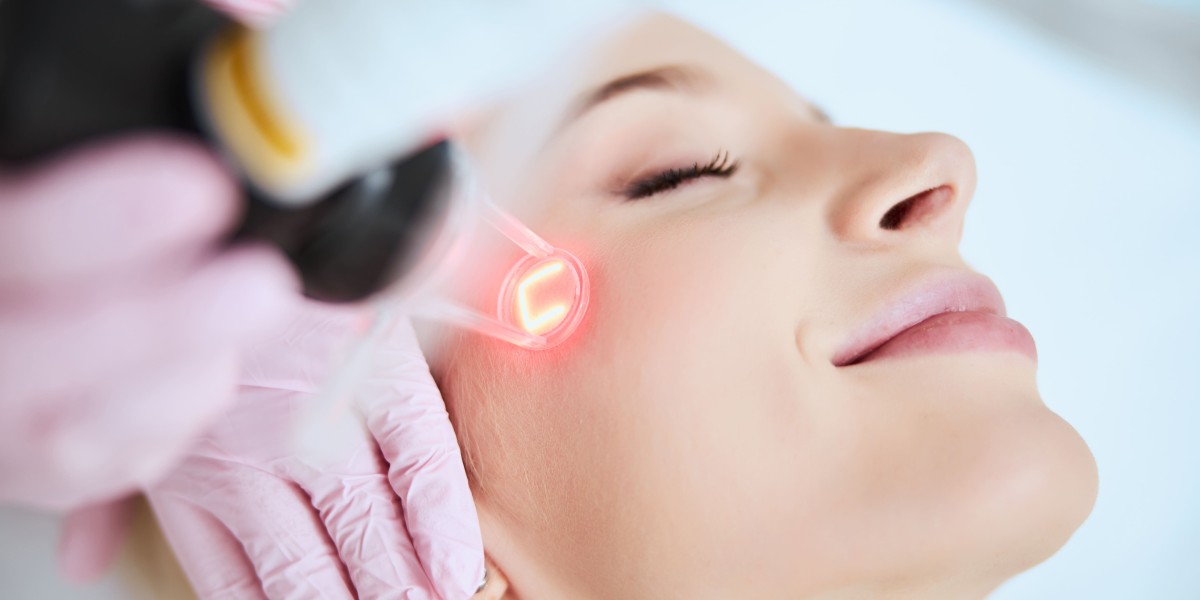
Fractional Laser Treatment in Riyadh is a modern skin-resurfacing approach designed to improve the appearance and texture of the skin. It uses controlled laser energy to create microscopic treatment zones within the skin while leaving surrounding tissue intact. This fractional approach can encourage the skin’s natural renewal process and support the development of collagen.
Many people explore fractional laser procedures when they want to address concerns such as uneven texture, visible pores, acne scars, fine lines, pigmentation irregularities, or an overall dull appearance. The treatment can be adapted to different skin concerns and may be used on areas such as the face, neck, chest, and other selected regions.
How Fractional Laser Works
The Science Behind Fractional Resurfacing
Fractional laser technology works by delivering laser energy to targeted microscopic areas of the skin. Rather than treating the entire surface continuously, the laser creates tiny columns or zones of controlled thermal impact. The untreated skin between these zones helps support the recovery process.
This controlled stimulation can trigger natural wound-healing responses. During recovery, the skin may gradually produce new collagen and elastin, proteins associated with firmness, structure, and elasticity. As the skin renews itself, its surface may become smoother and more refined.
Ablative and Non-Ablative Approaches
Fractional lasers can generally be divided into ablative and non-ablative categories. Ablative fractional treatments remove microscopic portions of the outer skin while creating controlled thermal effects deeper within the treated area. Non-ablative fractional treatments primarily heat targeted layers without removing the surface in the same way.
The appropriate approach depends on factors such as the skin concern being addressed, skin type, treatment area, desired outcome, and recovery considerations. A qualified professional can determine which technology and settings are appropriate following an assessment.
Why People Consider Fractional Laser in Riyadh
Addressing Uneven Skin Texture
Uneven skin texture can develop because of acne scarring, environmental exposure, aging, or changes in collagen production. Fractional resurfacing may help create a smoother-looking surface by stimulating skin renewal and collagen remodeling.
The degree of improvement varies from person to person. Some concerns may respond gradually over time rather than immediately after treatment, particularly when collagen remodeling is involved.
Supporting the Appearance of Acne Scars
Acne scars can remain visible long after active acne has disappeared. Certain types of depressed acne scars may respond to resurfacing treatments because fractional laser energy can stimulate remodeling in the treated skin.
However, acne scars differ considerably in depth, shape, and structure. Fractional laser may therefore be more appropriate for some scar patterns than others. An individualized assessment is important before selecting treatment.
Improving the Appearance of Fine Lines
As natural collagen production changes with age, fine lines can become increasingly noticeable. Fractional laser treatments may encourage collagen remodeling, which can contribute to a smoother-looking appearance over time.
The procedure is generally considered a skin-rejuvenation treatment rather than a way to stop the natural aging process. Maintaining realistic expectations is an important part of planning treatment.
What to Expect During a Fractional Laser Session
Before Treatment
A consultation generally begins with an assessment of the skin and discussion of the person's concerns and treatment goals. The practitioner may ask about previous procedures, skincare products, medications, sun exposure, and any history that could affect healing.
The treatment area may then be cleansed and prepared. Depending on the laser technology and treatment intensity, a topical numbing product may be used to improve comfort.
During the Procedure
During Fractional Laser Treatment in Riyadh, the practitioner moves the laser device across the selected treatment area. The sensation can vary depending on the technology, settings, and individual sensitivity.
Some people describe the feeling as warmth, prickling, or a series of small pulses. Treatment duration also varies according to the size of the area being treated and the specific laser system used.
Immediately After Treatment
Temporary redness, warmth, swelling, or sensitivity may occur following fractional resurfacing. The skin can also feel similar to mild sunburn depending on the intensity of treatment.
The practitioner may recommend specific aftercare products and instructions designed to protect the treated skin while it recovers. Following these instructions carefully can be an important part of the overall treatment process.
Recovery After Fractional Laser Treatment
Understanding the Healing Process
Recovery varies considerably according to the type of fractional laser used and the depth of treatment. Mild treatments may involve relatively short periods of visible redness, while more intensive resurfacing can require a longer recovery period.
During healing, the skin may feel dry, tight, sensitive, or rough. Some treatments can also produce temporary peeling or flaking as the surface renews.
Protecting the Skin
Sun protection is particularly important after laser resurfacing because treated skin can be more sensitive to ultraviolet exposure. Direct sun exposure should be minimized according to professional aftercare instructions.
A gentle skincare routine may also be recommended while the skin barrier is recovering. Products that are irritating or overly aggressive may need to be avoided temporarily.
Who May Consider Fractional Laser Treatment?
Fractional laser treatment may be considered by adults experiencing concerns involving skin texture, acne scars, fine lines, pigmentation irregularities, or signs of photoaging. However, suitability cannot be determined solely from a particular skin concern.
Factors That Affect Suitability
Skin type, current skin condition, previous treatments, tendency toward pigmentation changes, healing history, and certain medications can all influence treatment planning.
People with active skin infections, significant irritation, or certain healing-related conditions may need to postpone treatment. A professional consultation allows these factors to be evaluated before proceeding.
How Results Develop Over Time
Immediate Changes
Some people notice changes in skin appearance as the initial redness and swelling settle. However, early changes should not necessarily be considered the final outcome.
Laser resurfacing produces controlled skin injury, followed by a biological repair process. Consequently, the skin continues changing during the recovery period.
Longer-Term Skin Remodeling
Collagen remodeling can continue for weeks or months after treatment. As this process develops, the skin may gradually appear smoother, firmer, or more even.
The number of treatments required varies according to the individual's skin condition, treatment intensity, and desired outcome. Some concerns may require multiple sessions, while others may be addressed with a different treatment strategy.
Factors That Can Influence Treatment Outcomes
Skin Type and Individual Response
Every person's skin responds differently to laser energy. Skin tone, sensitivity, collagen characteristics, age, lifestyle, and existing skin conditions can influence both recovery and visible results.
For individuals prone to post-inflammatory pigmentation, careful treatment planning and appropriate laser settings are particularly important.
Lifestyle and Aftercare
Sun exposure, skincare habits, smoking, and adherence to post-treatment instructions can influence the skin's recovery environment. Consistent sun protection and appropriate skincare can help support the healing process.
It is also important to avoid judging results too quickly. Skin remodeling is gradual, and the final appearance may take time to become apparent.
Potential Side Effects and Considerations
Fractional laser treatment is generally performed with controlled energy, but side effects can occur. Temporary redness, swelling, dryness, sensitivity, peeling, or changes in pigmentation are possible.
More significant complications are less common but can occur, particularly when treatment is unsuitable or aftercare is inadequate. Choosing an appropriately qualified practitioner and providing complete information about your skin history can help support safer treatment planning.
Preparing for Fractional Laser in Riyadh
Before Your Appointment
Preparation depends on the specific laser system and individual circumstances. During consultation, patients may receive instructions concerning sun exposure, skincare products, active ingredients, and other treatments.
It is useful to disclose previous laser procedures, cosmetic treatments, medications, allergies, and any history of unusual skin reactions.
Setting Realistic Expectations
Fractional resurfacing can improve the appearance of several skin concerns, but it cannot guarantee completely flawless skin. The outcome depends on the original condition of the skin and the treatment approach selected.
A professional evaluation can help establish realistic expectations and determine whether fractional laser is appropriate or whether another approach may better address the concern.
Frequently Asked Questions
FAQ 1: What is Fractional Laser Treatment in Riyadh?
Fractional Laser Treatment in Riyadh is a skin-resurfacing procedure that delivers controlled laser energy to microscopic areas of the skin. It is commonly used to support improvements in texture, acne scars, fine lines, and certain pigmentation concerns.
FAQ 2: Is Fractional Laser Treatment painful?
The sensation varies according to the laser technology, treatment intensity, and individual sensitivity. A topical numbing product may be used for some procedures to improve comfort during treatment.
FAQ 3: How long does recovery take after fractional laser?
Recovery depends on the type and intensity of treatment. Mild procedures may involve limited downtime, while deeper resurfacing can require a longer period for redness, peeling, and sensitivity to settle.
FAQ 4: Can Fractional Laser in Riyadh help with acne scars?
Fractional laser may improve the appearance of certain acne scars by encouraging skin remodeling and collagen production. The response depends on the type, depth, and severity of the scars.
FAQ 5: When can results from fractional laser become visible?
Some changes may become noticeable after the initial recovery period, while collagen remodeling can continue for several weeks or months. Results therefore develop progressively rather than appearing immediately.
FAQ 6: Is Fractional Laser suitable for every skin type?
Not necessarily. Skin type, pigmentation tendency, current skin condition, medical history, and treatment goals all influence suitability. A professional skin assessment is important before treatment.
Conclusion
Fractional Laser Treatment in Riyadh offers a modern approach to skin resurfacing by using controlled laser energy to encourage skin renewal and collagen remodeling. It may be considered for concerns including uneven texture, acne scars, fine lines, and selected pigmentation irregularities. Understanding the technology, preparation, recovery process, potential side effects, and realistic expectations can help individuals make informed decisions about their skincare journey. For those exploring professional options, Enfield Royal Clinic Saudi can be considered as part of their research into available fractional laser care.