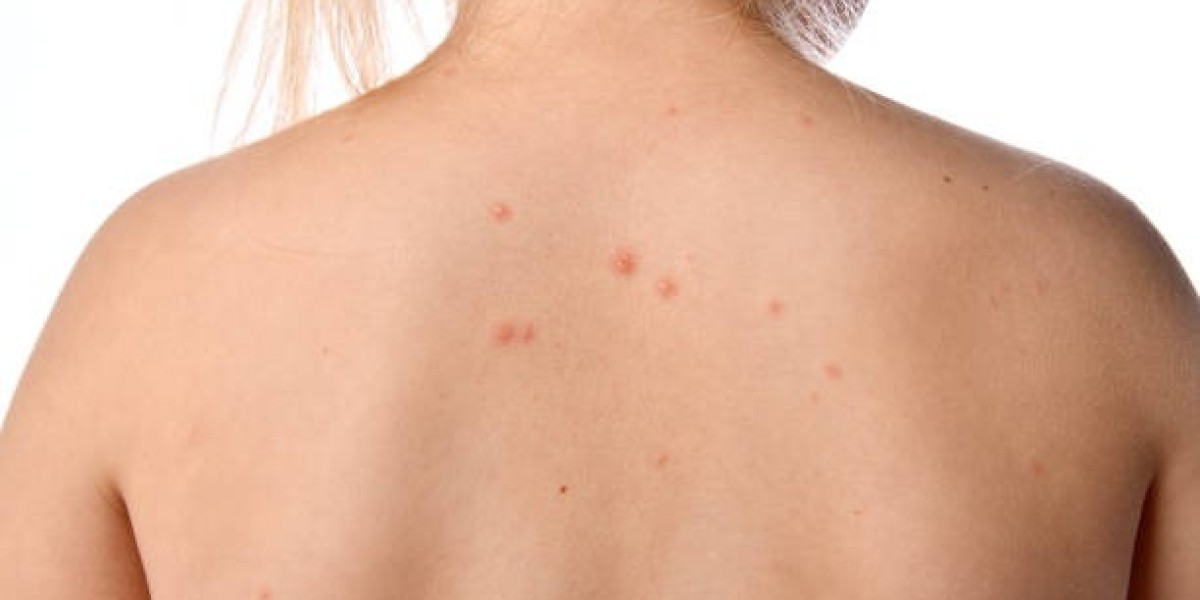

Inflammation is the most uncomfortable part of back acne. It transforms a manageable blemish into something tender, warm, and impossible to ignore. How to Treat Back Acne (كيفية علاج حب الشباب في الظهر) Redness spreads, blemishes throb, and clothing feels irritating against the skin. Yet inflammation is also the stage where the wrong response causes the most damage—aggressive scrubbing, strong acids, and squeezing all escalate rather than resolve it. Understanding How to Treat Back Acne during inflammatory stages means learning to calm the skin rather than attack it.
Why Inflammation Happens
The Immune Response
When bacteria multiply inside a blocked follicle, the immune system responds by sending inflammatory cells to the area. This produces the redness, warmth, swelling, and pain associated with active breakouts.
Follicular Rupture
If pressure builds inside a follicle, its wall can rupture, spilling contents into surrounding tissue. The body responds with intensified inflammation, which is why deep lesions are the most painful.
Barrier Disruption
A compromised skin barrier allows irritants to penetrate more easily, triggering further inflammation. This is why harsh products worsen rather than improve inflamed acne.
Bacterial Overgrowth
Cutibacterium acnes thrives in blocked follicles, and its activity provokes the immune response that produces visible inflammation.
External Aggravation
Friction, heat, sweat, and irritating products all add to the inflammatory load, prolonging redness and discomfort.
Why Reducing Inflammation Safely Matters
It Prevents Scarring
Prolonged inflammation damages dermal tissue, leading to permanent scarring. Calming inflammation early protects skin texture.
It Reduces Pigmentation
Inflammation stimulates melanin production, which is why healed blemishes leave dark marks. Less inflammation means fewer marks.
It Speeds Healing
Calm skin heals faster than irritated skin. Reducing inflammation shortens the lifespan of each blemish.
It Improves Comfort
Inflamed skin is painful and distracting. Soothing care restores comfort alongside appearance.
Why This Matters
Anyone researching How to Treat Back Acne should understand that inflammation control is as important as pore clearing.
Safe Ways to Calm Inflammation
Gentle Cleansing
Use lukewarm water and a mild, fragrance-free cleanser. Hot water and harsh soaps strip the barrier and increase redness.
Cool Compresses
A cool, damp cloth applied for a few minutes several times daily reduces heat and discomfort. Avoid ice directly on the skin, which can damage tissue.
Warm Compresses for Tense Lesions
For painful, pressure-filled blemishes, a warm compress encourages natural drainage and relieves tension without squeezing.
Soothing Ingredients
Panthenol, allantoin, centella asiatica, oatmeal, green tea, and aloe vera calm irritation and support barrier recovery.
Barrier-Supporting Moisturiser
Ceramides, niacinamide, and hyaluronic acid support the barrier and reduce reactivity. Lightweight, non-comedogenic formulas are best for the back.
Anti-Inflammatory Actives
Azelaic acid and niacinamide reduce inflammation while addressing the underlying acne. Salicylic acid can help, but lower concentrations are gentler during flares.
Reduce Active Frequency
When skin is inflamed, use actives every second or third day rather than daily. Calming the skin resolves flares faster than pushing through.
Avoid Physical Exfoliation
Scrubs, loofahs, and brushes create friction that worsens inflammation and spreads bacteria.
Do Not Pick or Squeeze
Manipulation pushes bacteria deeper, increases inflammation, and creates scabs that take far longer to heal.
Non-Comedogenic Sun Protection
Ultraviolet exposure darkens healing blemishes and worsens pigmentation. Protect exposed areas with lightweight, non-comedogenic sunscreen.
Lifestyle Habits That Reduce Inflammation
Prompt Post-Sweat Rinsing
Sweat combined with bacteria and heat intensifies inflammation. Rinse within thirty minutes of sweating.
Breathable, Loose Clothing
Cotton and moisture-wicking fabrics reduce friction and allow airflow. Tight synthetics trap heat and irritate inflamed skin.
Fresh Towels and Bedding
Clean linens reduce bacterial exposure. Wash weekly in hot water with fragrance-free detergent and skip fabric softener.
Hair Product Management
Rinse conditioner thoroughly and wash hair before your body. Residue adds irritation to already inflamed skin.
Anti-Inflammatory Nutrition
Omega-3 fats, colourful vegetables, and adequate protein support healthy inflammatory balance. Reducing refined sugars and processed foods may also help.
Hydration
Water supports circulation and helps the body process inflammatory byproducts. Keep intake consistent throughout the day.
Sleep and Stress Management
Poor sleep and chronic stress raise cortisol, which increases inflammation. Adequate rest and relaxation practices support faster resolution.
Avoid Smoking and Excess Alcohol
Both increase inflammation and impair healing, prolonging redness and discomfort.
What to Avoid During Inflammatory Flares
Strong Acids and High-Concentration Actives
These irritate compromised skin and increase redness rather than resolving it.
Alcohol-Based Products
Toners, sprays, and astringents containing alcohol strip the barrier and worsen inflammation.
Fragranced Products
Fragrance in cleansers, lotions, and detergents frequently triggers irritation that mimics or worsens acne.
Heavy, Occlusive Moisturisers
Thick butters and balms trap heat and debris against inflamed skin. Choose lightweight, non-comedogenic formulas.
Physical Scrubs and Tools
Loofahs, brushes, and abrasive scrubs cause friction damage and spread bacteria.
Picking and Squeezing
This is the fastest way to intensify inflammation and create permanent damage.
Sunbathing to Dry Out Blemishes
Sun exposure temporarily masks redness but worsens pigmentation and skin damage over time.
Building a Calming Routine
Morning
Cleanse gently with lukewarm water. Apply a soothing moisturiser containing ceramides or panthenol. Protect exposed areas with non-comedogenic sunscreen.
Post-Sweat
Rinse thoroughly and pat dry. Reapply lightweight moisturiser if needed.
Evening
Cleanse gently, apply a soothing active such as azelaic acid or low-concentration salicylic acid if tolerated, then moisturise generously.
Weekly
Assess whether inflammation is improving. Reduce active frequency if redness persists. A Back acne treatment plan should adapt to how your skin is responding, not follow a fixed schedule.
During Severe Flares
Simplify to cleansing and moisturising only. Pause all actives until inflammation settles, then reintroduce gradually.
When to Seek Professional Help
Persistent Inflammation Despite Gentle Care
If redness and discomfort continue after several weeks of soothing care, professional assessment is appropriate.
Deep or Painful Lesions
Nodular and cystic acne require prescription treatment and carry higher scarring risk. Early intervention protects skin texture.
Signs of Infection
Increasing redness, warmth, foul discharge, or fever require prompt medical attention.
Scarring Concerns
Once active inflammation is controlled, professional treatments can improve texture and pigmentation left behind.
Customised Planning
A Back acne treatment plan should account for your skin's sensitivity and healing history. Dermatologists can recommend options that calm inflammation while clearing breakouts.
Final Thoughts: Calm Skin Heals Faster
Inflammation and redness respond to gentleness, not force. Cool compresses, soothing ingredients, barrier support, and reduced active frequency calm the skin far more effectively than aggressive treatment. Understand How to Treat Back Acne as a process of reducing irritation while clearing congestion, and your skin will settle faster with less discomfort and fewer lasting marks.
For those seeking expert guidance and customized aesthetic care, you can book an appointment consultation at the 'Enfield Royal Riyadh(إنفيلد رويال الرياض).
FAQs
What quickly reduces back acne redness?
Cool compresses, soothing ingredients like panthenol and centella, and reducing active frequency calm redness fastest.
Should I stop using actives when my back is inflamed?
Reduce frequency or pause actives temporarily and focus on barrier support until inflammation settles.
Can ice help inflamed back acne?
Cool compresses are safer than direct ice, which can damage tissue. Apply a damp cloth for a few minutes.
What ingredients calm inflamed skin?
Panthenol, allantoin, centella asiatica, oatmeal, green tea, aloe vera, niacinamide, and ceramides.
When should I see a doctor for inflamed back acne?
If redness and discomfort persist despite gentle care, or if deep, painful, or infected lesions develop.