
Laser treatments have earned a reputation for effectiveness, but that reputation sometimes overshadows an equally important consideration: how the treatment actually feels and how safe it is in practice. Laser Clinic in Riyadh(عيادة ليزر في الرياض) A procedure that produces results but causes unnecessary discomfort or avoidable complications is not a good procedure. The best laser clinics prioritise both—clinical safety and patient comfort—as inseparable goals. Understanding Laser Clinic in Riyadh treatments properly means understanding how safety protocols and comfort measures work together to produce a positive experience.
Why Safety and Comfort Are Connected
Comfort Signals Safety
Excessive pain during treatment often indicates that settings are too high for your skin. Discomfort is not a sign that treatment is "working harder"—it is a signal that something needs adjustment.
Tension Increases Discomfort
Anxious, tense patients perceive sensations more intensely. Comfort measures reduce both physical and psychological strain, which in turn improves tolerance.
Relaxed Patients Communicate Better
When you feel at ease, you speak up about sensations rather than enduring silently. This feedback allows practitioners to optimise treatment safely.
Safety Protocols Protect Comfort
Cooling systems, patch testing, and appropriate settings protect the skin while also making treatment more comfortable.
Why This Matters
Anyone researching Laser Clinic in Riyadh services should treat comfort and safety as a single standard, not separate concerns.
Safety Starts Before Treatment
Comprehensive Consultation
Your skin type, tone, concern, and medical history should all be assessed before any treatment is recommended.
Patch Testing
A small test patch on a discreet area reveals how your skin responds before full treatment. This step should never be skipped.
Medical History Review
Medications, supplements, pregnancy status, and conditions affecting photosensitivity must all be discussed.
Appropriate Device Selection
The device must match your concern and skin type. Using the wrong wavelength produces no benefit and may cause harm.
Realistic Discussion of Outcomes
Practitioners should explain what is achievable, how many sessions may be needed, and what limitations exist.
Why This Matters
A thorough consultation is the clearest indicator of a safety-focused Laser Clinic in Riyadh.
Safety During Treatment
Correct Settings for Your Skin
Energy levels, pulse duration, and spot size must be adjusted to your skin type and concern. Identical settings cannot be applied to every patient.
Eye Protection
Both you and the practitioner should wear appropriate eye protection throughout treatment.
Cooling Systems
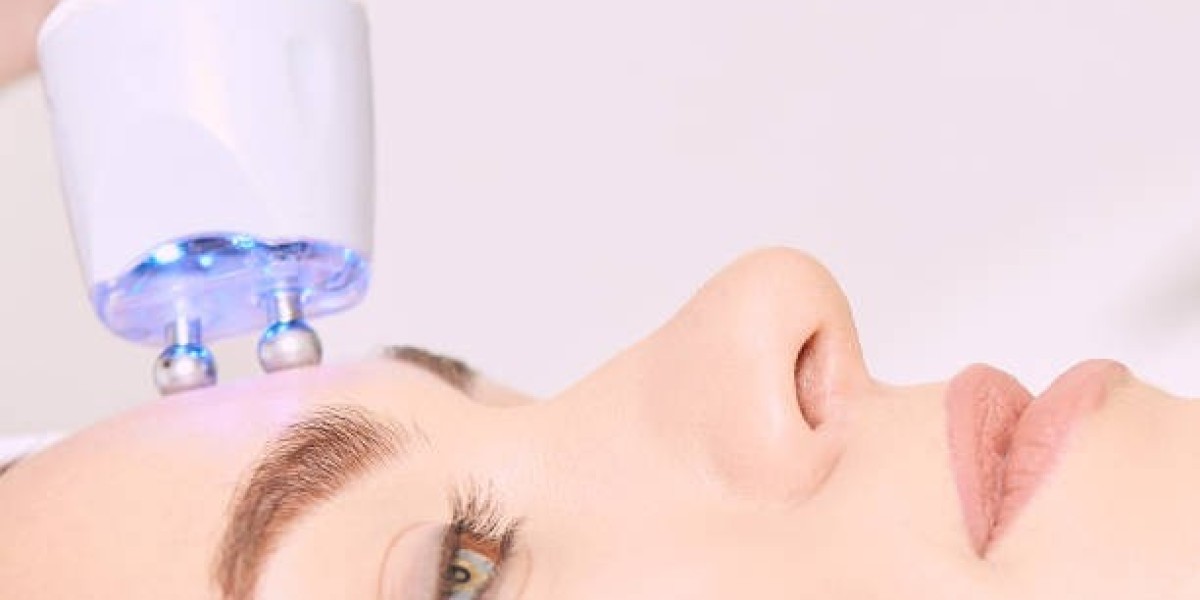
Modern devices include integrated cooling to protect the skin surface while deeper layers are treated. Functional cooling significantly reduces discomfort and risk.
Continuous Monitoring
Practitioners should observe skin reaction during treatment and adjust settings accordingly.
Stopping When Necessary
If the skin reacts unusually, treatment should pause rather than continue. Persistence despite warning signs is a serious concern.
Why This Matters
Safety during treatment depends on attention and adjustment, not just the device.
Comfort Measures That Make a Difference
Numbing Cream
For more intensive treatments, topical anaesthetic may be applied beforehand and covered to enhance absorption. Timing matters—typically 30 to 60 minutes before treatment.
Integrated Cooling
Many devices cool the skin surface as the laser fires, reducing heat sensation. This is often the most effective comfort measure.
Cold Air Devices
Some clinics use chilled air blown across the treatment area during treatment to reduce discomfort.
Breaks During Longer Sessions
There is no rule requiring continuous treatment. Brief pauses allow the skin to cool and improve comfort.
Comfortable Positioning
Ask for pillows or supports to make lying still more comfortable, particularly for longer sessions.
Distraction
Conversation, music, or a podcast makes time pass and reduces focus on physical sensation.
Why This Matters
Comfort is not a luxury—it directly influences whether patients complete their treatment series, and completion determines results.
Communication During Treatment
Report Sensations Honestly
Tell your practitioner immediately if anything feels too hot, sharp, or uncomfortable. Settings can be adjusted at any point.
Ask Questions Freely
Understanding what is happening reduces anxiety. A Best laser clinic welcomes questions throughout.
Request Pauses if Needed
There is no penalty for asking for a brief break.
Confirm Settings Are Appropriate
Ask how settings were chosen for your skin. The explanation should reference your skin type and concern.
Do Not Endure Silently
Discomfort that goes unreported helps nobody. Practitioners prefer adjusting settings to having patients avoid returning.
Why This Matters
Open communication is a two-way safety mechanism.
Aftercare for Safety and Comfort
Cooling and Soothing
Cool compresses, soothing gel, or aloe vera may be applied as directed.
Avoid Heat
Saunas, hot baths, hot yoga, and strenuous exercise should be avoided for at least 24 to 48 hours.
Gentle Cleansing
Use a mild, fragrance-free cleanser and lukewarm water. Avoid scrubbing.
Moisturise Regularly
A gentle, non-comedogenic moisturiser supports barrier recovery.
Avoid Harsh Ingredients
Retinoids, acids, and exfoliants should be reintroduced only when cleared by your practitioner.
Do Not Pick or Scratch
Allow any flaking or crusting to shed naturally.
Why This Matters
Aftercare determines whether results meet expectations and whether complications develop.
Managing Discomfort After Treatment
Expected Sensations
Mild redness, warmth, and sensitivity are common and typically resolve within hours to a few days.
Cold Compresses
Apply cool compresses for short periods to reduce discomfort.
Over-the-Counter Pain Relief
Anti-inflammatory medication may help, but confirm with your practitioner first.
Sleep Comfortably
Loose clothing and clean bedding reduce friction on treated areas.
When to Seek Advice
Persistent or worsening pain requires prompt professional assessment.
Why This Matters
Most post-treatment discomfort is mild and temporary, but unusual symptoms should never be ignored.
Choosing a Safe and Comfortable Clinic
Qualified Practitioners
Ask about specific training in laser treatments and experience with your skin type.
Device Quality and Maintenance
Well-maintained equipment produces safer, more consistent results and better comfort.
Thorough Consultation
A clinic that rushes consultation or skips patch testing is prioritising volume over safety.
Comfort Amenities
Numbing cream, cooling devices, and comfortable treatment spaces all indicate a patient-focused practice.
Clear Aftercare Guidance
Detailed instructions indicate a practice invested in outcomes.
Willingness to Answer Questions
A confident practitioner welcomes scrutiny rather than deflecting it.
Why This Matters
The right clinic makes safety and comfort standard rather than optional.
Red Flags That Suggest Unsafe or Uncomfortable Practice
Pressure to Book Immediately
Genuine planning allows time for reflection. Urgency serves the seller.
Refusal to Discuss Risks
Reluctance to address complications honestly is a serious warning sign.
No Patch Testing
Skipping patch tests risks unnecessary reactions.
Vague Answers About Devices
If your practitioner cannot explain the device and rationale, planning may be inadequate.
Unrealistic Promises
Claims of guaranteed, permanent, or instant results are misleading.
Dismissing Your Discomfort
If you report pain and are told to endure it, that is a serious concern.
Why This Matters
Recognising red flags protects your skin and your experience.
When to Seek Professional Help
Persistent or Worsening Redness
Redness that intensifies rather than subsides warrants assessment.
Blistering or Unusual Swelling
These require prompt professional evaluation.
Signs of Infection
Increasing redness, warmth, discharge, or fever require immediate attention.
Unusual Pigmentation Changes
Darkening or lightening should be reported so adjustments can be made.
Why This Matters
Early intervention resolves most complications quickly.
Final Thoughts: Safe Treatment Is Comfortable Treatment
Laser treatments work best when safety and comfort are treated as a single standard. Thorough consultation, patch testing, appropriate settings, cooling systems, honest communication, and diligent aftercare all contribute. Understand Laser Clinic in Riyadh treatments as a clinical process designed around your skin and your experience, and your results will reflect that care.
For those seeking expert guidance and customized aesthetic care, you can book an appointment consultation at the 'Enfield Royal Riyadh(إنفيلد رويال الرياض).
FAQs
Is laser treatment painful?
Most patients describe mild warmth or brief snapping sensations. Numbing cream and cooling systems significantly reduce discomfort.
What makes laser treatment safer?
Thorough consultation, patch testing, correct settings for your skin type, qualified practitioners, and diligent aftercare.
Should I ask for numbing cream?
Yes, particularly for more intensive treatments. Ask whether it is recommended for your specific procedure.
What should I do if treatment feels too hot?
Report it immediately. Settings can be adjusted at any point without losing treatment benefit.
When should I seek professional help after treatment?
If you experience persistent redness, blistering, unusual swelling, or signs of infection.