
Creating a healthy, attractive lawn in North Texas can be challenging when weather, soil conditions, and water availability work against new grass. Homeowners often want an efficient way to establish turf across bare yards, renovated landscapes, slopes, and larger residential properties. Hydroseeding combines grass seed, water, mulch, and other suitable materials into a mixture that can be sprayed evenly across prepared soil. Hydroseeding North Texas projects can be particularly useful when homeowners need to cover substantial areas efficiently. Understanding the process before starting can help homeowners choose appropriate grass, prepare the soil, and provide the care needed for successful establishment.
What Is Hydroseeding?
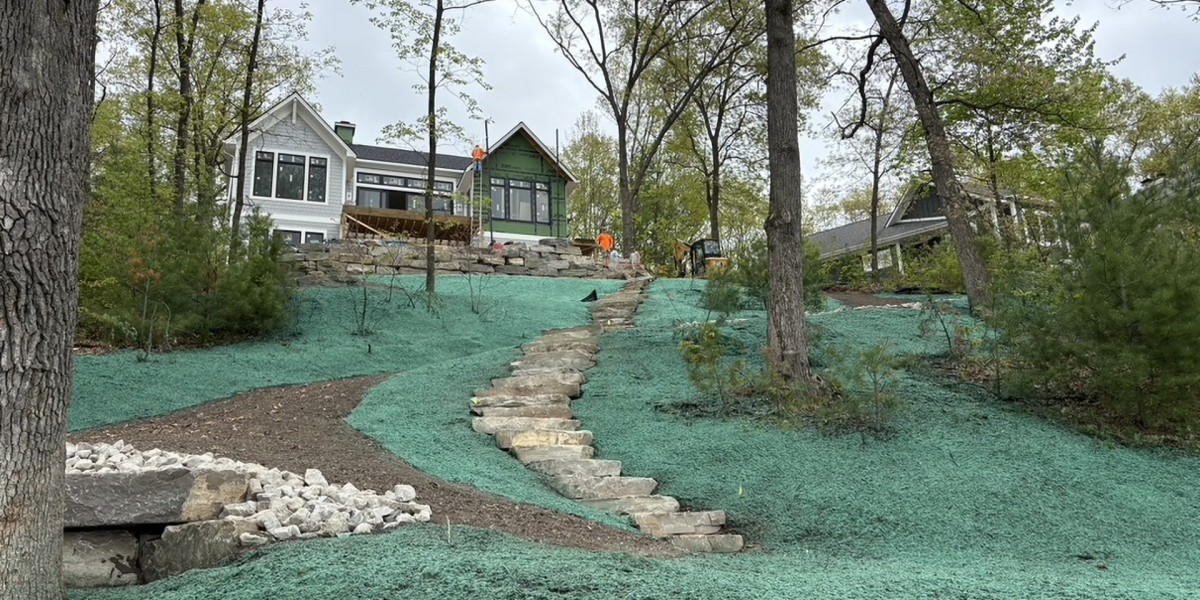
Hydroseeding is a method of establishing vegetation by spraying a carefully prepared slurry over a suitable soil surface. The mixture commonly contains grass seed, water, fiber mulch, and nutrients or amendments selected according to the project's requirements. The mulch helps maintain moisture around developing seeds and provides temporary protection from environmental conditions. Because the mixture can be sprayed across large areas, hydroseeding may be more efficient than distributing seed manually. However, successful results depend on proper preparation, suitable seed selection, favorable conditions, and consistent maintenance after application.
For homeowners, hydroseeding can be useful when establishing a completely new lawn or restoring large sections of damaged turf. It can also be considered for sloped yards, areas affected by construction, and properties where conventional seeding would be difficult or labor-intensive. The process does not create an instant lawn, so expectations should be realistic. Seeds still need time to germinate, develop roots, and spread. Professional application can improve the consistency of the initial treatment, but homeowners remain responsible for providing appropriate moisture and protecting the area during early growth.
Why North Texas Requires Careful Planning
North Texas has conditions that can make lawn establishment different from gardening in cooler or wetter regions. Summers can bring intense heat, while rainfall may vary considerably throughout the year. These conditions make grass selection, installation timing, irrigation, and soil preparation particularly important. Warm-season grasses such as bermudagrass are commonly suited to Texas conditions, although the best choice depends on the property's sunlight, soil, drainage, traffic, and maintenance expectations. A homeowner should evaluate the entire growing environment rather than choosing grass simply because it is popular locally.
Timing is another important consideration for Hydroseeding North Texas projects. Warm-season turf generally needs sufficiently warm soil and air temperatures to germinate and grow actively. Applying seed too early can delay germination, while installing it too late may not provide enough time for strong establishment before unfavorable seasonal conditions. Homeowners should discuss seasonal timing with a knowledgeable contractor who understands local growing patterns. Choosing an appropriate installation window can reduce stress on newly developing grass and improve the chances of achieving even coverage.
Preparing Your Yard Before Hydroseeding
Good soil preparation provides the foundation for a successful hydroseeding project. Before application, homeowners should make sure the area is free from large rocks, construction debris, excessive weeds, and other materials that could interfere with seed-to-soil contact. Compacted soil may need to be loosened so roots can develop properly and water can move through the soil. Low areas with drainage problems should also be evaluated before seeding. Applying hydroseed over unsuitable ground may produce weak or uneven growth regardless of the quality of the seed mixture.
The grade of the property should also be considered, especially on sloped yards. Rainwater can move quickly across exposed soil and may disturb newly applied seed and mulch if drainage is not properly managed. A professional contractor can evaluate the site and determine whether additional preparation is necessary before application. Homeowners should also consider their irrigation system at this stage. If sprinklers do not provide reasonably consistent coverage, installing or adjusting irrigation before hydroseeding can make early maintenance much easier.
Choosing the Right Grass and Hydroseeding Mixture
Grass selection should be based on the conditions of the property rather than appearance alone. Sun exposure, shade, soil type, expected foot traffic, water availability, mowing preferences, and desired lawn density all affect which grass may be appropriate. Bermudagrass is commonly used in Texas because of its heat tolerance, durability, and ability to establish from seed. However, different varieties have different characteristics, and some turf types are better established through sod, sprigs, or plugs rather than seed.
The quality of the seed also matters. Homeowners should ask contractors what grass varieties will be included and why those varieties were selected for the property. A professional should be able to discuss seed quality, expected germination, maintenance requirements, and how the mixture fits the site's conditions. The mulch and other components of the hydroseeding slurry should also be appropriate for the application. A customized mixture can be more useful than a generic formula because residential properties often have different soil, sunlight, and moisture conditions.
What to Expect During and After Application
On application day, the contractor typically prepares the hydroseeding mixture in specialized equipment before spraying it across the designated areas. The slurry should be distributed as evenly as practical over the prepared soil. Depending on the size and complexity of the property, application may take several hours or require more than one treatment area. Homeowners should keep children, pets, vehicles, and unnecessary foot traffic away from freshly treated surfaces. Protecting the area immediately after application helps prevent disturbance before germination begins.
The period following application is especially important. Newly hydroseeded areas generally require consistent moisture, but excessive watering can cause runoff or disturb the seedbed. The appropriate irrigation schedule depends on weather, soil type, grass variety, slope, and the contractor's recommendations. Homeowners should monitor the surface rather than following a rigid schedule regardless of conditions. The objective is to maintain suitable moisture for germination without creating standing water or washing soil and seed away.
Finding a Hydroseeding Company Near Me
When searching for a hydroseeding company near me, homeowners should consider more than distance or the lowest quoted price. Local experience can be valuable because contractors familiar with North Texas conditions may understand common soil types, seasonal weather patterns, grass choices, and irrigation challenges. However, homeowners should still investigate the contractor's experience with residential properties and ask about previous projects of similar size. A professional company should be comfortable explaining its preparation process, seed selection, application methods, and aftercare recommendations.
Before hiring a contractor, ask what the quoted service actually includes. Some companies may provide only the hydroseeding application, while others may include soil preparation, amendments, grading adjustments, irrigation guidance, or follow-up visits. Understanding the complete scope makes it easier to compare proposals accurately. Homeowners should also ask how the contractor handles unexpected soil or drainage problems discovered before application. Clear communication at the beginning can prevent misunderstandings and help establish realistic expectations about the finished lawn.
Maintaining Your New Lawn
Hydroseeding is only the beginning of the lawn-establishment process. After germination, the young grass needs appropriate care so it can develop a strong root system and fill in the treated area. Watering should gradually be adjusted as the grass becomes established, taking weather and soil moisture into account. Homeowners should also avoid mowing too aggressively or allowing heavy traffic before the turf is sufficiently developed. Patience during this stage can protect the investment made during installation.
Once the lawn is established, regular maintenance becomes important for long-term performance. Depending on the grass variety, homeowners may need routine mowing, irrigation, fertilization, weed management, and occasional soil evaluation. Fertilizer should be applied according to the lawn's needs rather than simply following a fixed calendar. Homeowners should also watch for thinning areas, drainage problems, pests, or signs of excessive stress. Addressing problems early can help maintain healthy turf and reduce the need for expensive lawn renovation later.
Conclusion
Hydroseeding can be a practical option for North Texas homeowners who need to establish a new lawn or restore substantial areas of bare or damaged soil. The process offers efficient seed distribution while combining seed and protective mulch in a single application. However, the quality of the final lawn depends on much more than the spraying process. Proper soil preparation, suitable grass selection, appropriate timing, reliable irrigation, and consistent aftercare all contribute to successful establishment.
Homeowners considering Hydroseeding North Texas services should take time to understand their property's specific requirements before beginning the project. Those searching for a hydroseeding company near me should compare contractors based on experience, preparation methods, materials, communication, and the complete scope of service rather than relying solely on price. With careful planning and responsible maintenance, hydroseeding can provide a strong foundation for a healthy residential lawn. The most successful results come from treating the project as a complete lawn-establishment process rather than a single application.