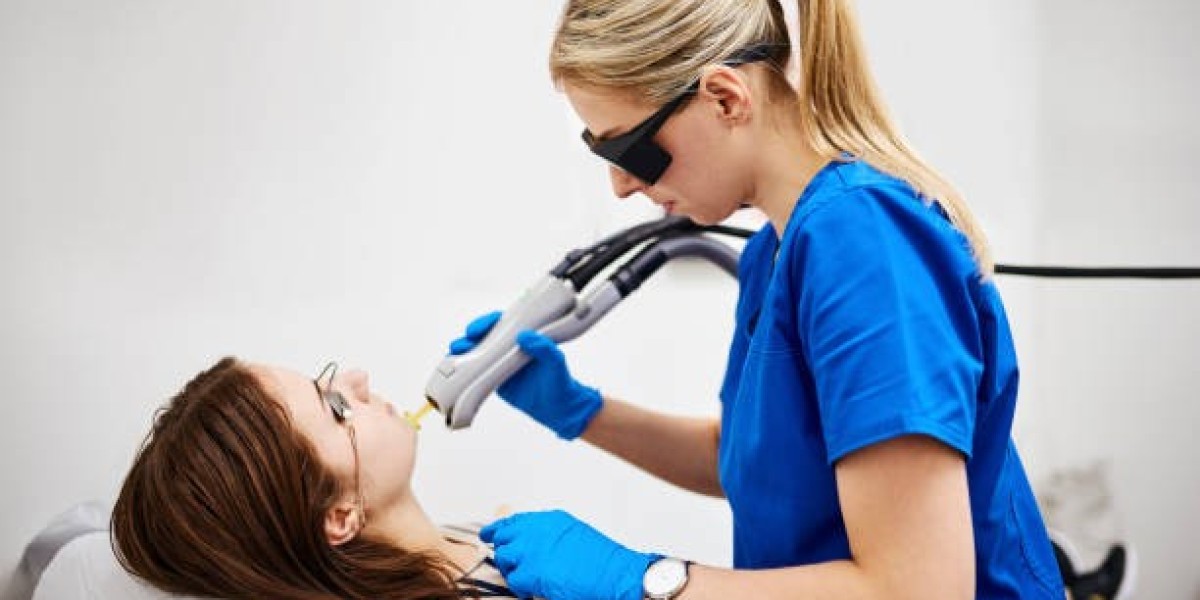

Pigmentation can appear as freckles, sun spots, post-inflammatory marks, or other areas of uneven skin tone, making the complexion look less uniform. Because different pigmentation concerns can have different causes, choosing an appropriate treatment starts with understanding what is creating the discoloration. Q-switched Laser Treatment in Riyadh uses short, concentrated pulses of laser energy to target selected pigment in the skin. This targeted approach may help reduce the appearance of suitable pigmentation while supporting a more even-looking complexion.
What Causes Skin Pigmentation?
Pigmentation occurs when the skin produces or distributes melanin unevenly. Several factors can contribute, including ultraviolet exposure, hormonal changes, inflammation, genetics, and previous skin irritation. Some pigmentation is temporary, while other forms can persist for longer periods and become more noticeable over time.
Common Types of Pigmentation
Freckles, certain sun-induced spots, and post-inflammatory hyperpigmentation are among the concerns that may be evaluated for laser treatment. Melasma, however, is more complex and can behave differently from other pigmentary conditions. Correctly identifying the type of pigmentation is essential before choosing a treatment.
How Does Q-Switched Laser Target Pigment?
Q-switched lasers release energy in extremely short, powerful pulses. Selected wavelengths are absorbed by pigment within the skin, helping break the targeted pigment into smaller particles. The body can then gradually process and clear these particles through its natural mechanisms.
Why Short Laser Pulses Matter
The rapid delivery of energy allows the laser to concentrate its effect on the intended pigment. The wavelength and settings can be adjusted according to the pigmentation, treatment area, and individual skin characteristics, making professional assessment an important part of the process.
Which Pigmentation Concerns May Benefit?
Q-switched laser technology may be considered for certain types of superficial pigmentation, including some freckles and sun-related dark spots. It may also be evaluated for selected post-inflammatory pigmentation when the skin is suitable for treatment.
Not Every Dark Spot Is the Same
A dark spot should not automatically be assumed to be suitable for laser treatment. Different skin conditions can resemble one another, and some lesions require medical evaluation rather than cosmetic treatment. A qualified practitioner can examine the area and determine the most appropriate approach.
What Happens During Treatment?
Treatment generally begins with an assessment of the skin and the pigmentation being addressed. The treatment area is prepared, and appropriate eye protection is used. The practitioner then delivers controlled laser pulses to the selected areas. Patients may experience brief sensations such as warmth, tingling, or snapping during the procedure.
How Long Does a Session Take?
Treatment time depends on the size and number of areas being addressed. A small area may require relatively little time, while larger treatment areas can take longer. Your practitioner can explain the expected treatment process during consultation.
What Can You Expect After Q-Switched Laser?
The treated skin may temporarily appear red or slightly swollen, and the pigmentation can sometimes look darker before it gradually fades. These changes are part of the skin's response and can vary according to treatment intensity and individual sensitivity.
Why Aftercare Is Important
Following professional aftercare instructions can help the skin recover properly. Patients may be advised to avoid unnecessary sun exposure, use appropriate sun protection, and avoid irritating skincare products for a period recommended by their practitioner.
How Many Sessions Might You Need?
The number of sessions varies according to the type, depth, and extent of pigmentation. Some concerns may improve progressively over a series of treatments rather than after one session. Individual skin response also influences the treatment schedule.
Results Develop Over Time
Laser energy targets the pigment during treatment, but visible improvement generally develops gradually. The body needs time to process the fragmented pigment, so patience and appropriate spacing between sessions can be important when following a treatment plan.
Is Q-Switched Laser Safe for All Skin Types?
Laser treatment requires careful consideration of skin tone and pigmentation history. Individuals with darker skin tones can have a greater risk of temporary or persistent changes in pigmentation after certain laser procedures. This makes appropriate wavelength selection, treatment settings, and professional supervision particularly important.
Personalized Settings Matter
Q-Switched Laser Treatment in Riyadh should be customized according to the patient's skin characteristics and the pigmentation being treated. Using inappropriate settings can increase the likelihood of irritation or unwanted pigment changes, which is why an individualized assessment should come before treatment.
Can Pigmentation Return After Treatment?
Laser treatment can reduce existing pigment, but it cannot necessarily prevent new pigmentation from developing. Continued ultraviolet exposure, hormonal influences, inflammation, and the underlying cause of pigmentation can affect long-term results.
Protecting Your Skin
Consistent sun protection is an important part of managing pigmentation. Using suitable sunscreen, limiting prolonged direct sun exposure, and following a personalized skincare routine may help reduce the factors that contribute to recurring discoloration.
What Should You Discuss Before Treatment?
During consultation, tell your practitioner about previous laser procedures, skincare products, medications, allergies, and any history of unusual pigmentation changes. Discussing your expectations is equally important because the outcome depends on the type of pigmentation and how your skin responds.
Understanding Your Treatment Options
Q-switched laser may be appropriate for certain pigmentary concerns, but it is not a universal solution for every type of discoloration. Q-Switched Laser Treatment in Riyadh can be considered after professional assessment determines that the pigmentation is suitable and that the potential benefits align with your goals.
Book a Consultation at Royal Clinic Saudia
If pigmentation is affecting the appearance of your skin, Royal Clinic Saudia can provide a professional consultation to assess your concerns. A qualified practitioner can identify the type of pigmentation and discuss whether Q-switched laser treatment may be appropriate for your skin.
FAQs:
Can Q-switched laser remove pigmentation completely?
The treatment can reduce the appearance of certain types of pigmentation, but results vary. Complete removal is not guaranteed, and some pigmentation can return depending on its underlying cause and exposure to triggering factors.
Is Q-switched laser suitable for melasma?
Melasma can be complex and may respond differently from other pigmentation concerns. A professional evaluation is important before considering any laser treatment because inappropriate treatment may sometimes worsen pigmentation.
How soon will pigmentation improve after treatment?
Improvement generally develops gradually as the body processes the targeted pigment. The timing varies according to the type of pigmentation, treatment settings, and individual skin response.
How can I prevent pigmentation from returning?
Protecting your skin from ultraviolet exposure is important. Consistent sunscreen use, appropriate skincare, and following professional recommendations can help support longer-lasting results.