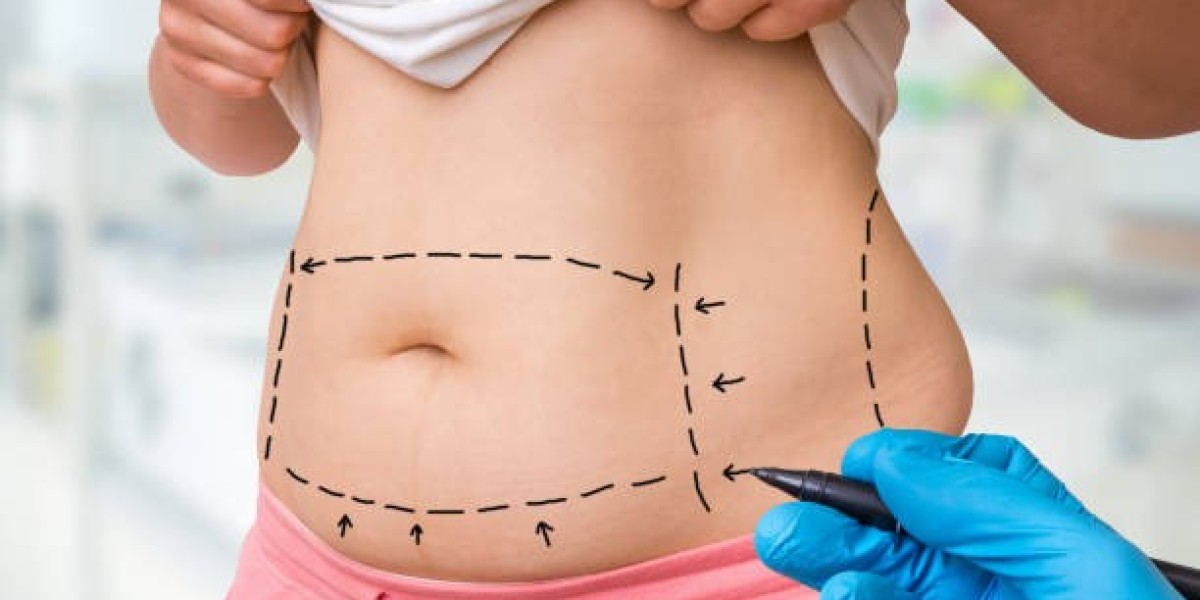

A balanced body silhouette is influenced by the relationship between the abdomen, waist, hips, and torso. Excess skin or stretched abdominal tissue can sometimes make these areas appear less defined after weight loss, pregnancy, or aging. For suitable individuals, Tummy tuck surgery in Riyadh (عملية شد البطن في الرياض) may help reshape the abdominal area by removing excess skin and improving the overall contour of the midsection.
How Tummy Tuck Surgery Can Reshape the Abdomen
A tummy tuck, medically known as abdominoplasty, is primarily designed to remove excess abdominal skin and improve the appearance of the underlying tissues. When appropriate, the procedure may also address weakened or separated abdominal muscles. These changes can help create a smoother abdominal profile that complements the body's natural proportions.
Removing Excess Skin
Loose abdominal skin can create folds around the lower stomach and affect the way the torso appears. Carefully removing excess tissue can produce a smoother and more streamlined surface.
Improving Abdominal Definition
By repositioning the remaining skin and addressing appropriate underlying tissues, surgery may enhance the definition between the abdomen and waist. The degree of change varies according to individual anatomy.
Why Body Proportions Change
The body's silhouette can change for several reasons. Major weight fluctuations, pregnancy, aging, and reduced skin elasticity may all contribute to excess tissue around the abdomen.
Effects of Weight Loss
Significant weight loss can leave stretched skin that does not naturally contract to its previous size. A tummy tuck may be considered after weight has become relatively stable to address this remaining excess tissue.
Changes Following Pregnancy
Pregnancy can stretch the abdominal skin and muscles. Some individuals may continue to experience loose skin or abdominal separation after childbirth, which can be evaluated during a consultation.
The Role of Muscle Repair
Abdominal muscles may become separated or weakened in some individuals. When appropriate, muscle repair can be incorporated into abdominoplasty to improve the structure and appearance of the abdominal wall. Tummy tuck surgery in Riyadh is therefore customized rather than performed using exactly the same technique for every patient.
Personalized Treatment Planning
A surgeon considers the amount of excess skin, skin quality, abdominal structure, previous procedures, and individual goals when developing a surgical plan.
Creating Natural-Looking Proportions
The goal is generally to improve the abdominal contour while maintaining harmony with the individual's natural body structure. A consultation helps establish realistic expectations about the possible outcome.
Tummy Tuck and Other Body-Contouring Procedures
Different body-contouring procedures address different concerns. A tummy tuck focuses primarily on excess skin and abdominal tissue, while liposuction is intended to reduce localized fat deposits. In selected cases, procedures may be combined, depending on the patient's needs and overall suitability.
Addressing Localized Fat
If stubborn fat is present around the abdomen or flanks, liposuction may be discussed separately or as part of a broader contouring plan. It does not, however, remove substantial loose skin.
Addressing Loose Skin
When excess skin is the primary concern, abdominoplasty may provide a more direct approach. The appropriate technique depends on the amount and location of the loose tissue.
What Can You Expect During Recovery?
Recovery takes time, and the abdomen may initially appear swollen or feel tight. Bruising and temporary discomfort can also occur. These effects generally change as healing progresses.
Gradual Return to Normal Activities
Patients should follow their surgeon's guidance when returning to work, exercise, lifting, and other physical activities. Strenuous movements may need to be limited during the early recovery period.
Supporting Proper Healing
Following wound-care instructions and attending scheduled follow-up appointments can help monitor recovery. Patients should report unusual symptoms or concerns to their medical team.
Who May Consider a Tummy Tuck?
Adults with excess abdominal skin who are at a relatively stable weight may consider abdominoplasty. Suitable candidates should understand the surgical nature of the procedure and have realistic expectations regarding results and scarring.
Stable Weight
Maintaining a stable weight before surgery can support predictable contouring. Future significant weight changes may affect the appearance of the abdomen.
Understanding Limitations
A tummy tuck is not a weight-loss procedure and cannot prevent future changes caused by aging, pregnancy, or substantial weight fluctuations. Understanding these limitations is an important part of the consultation process.
Maintaining Your Body Contour After Surgery
Long-term results can be supported by maintaining a stable weight and following a healthy lifestyle. Regular physical activity can contribute to overall fitness once the surgeon confirms that exercise is appropriate after recovery.
Book an Appointment at Royal Clinic Saudi
If you are considering abdominal contouring to create a more balanced silhouette, a professional consultation can help you understand your options. Royal Clinic Saudi (عيادات رويال كلينك) can assess your abdominal concerns, discuss suitable surgical techniques, explain recovery expectations, and help you determine whether Tummy tuck surgery in Riyadh fits your individual goals.
FAQs:
Can a tummy tuck create a more balanced silhouette?
Yes. It can improve abdominal contours and create a smoother relationship between the abdomen and waist.
Does a tummy tuck reduce body weight?
No. It is designed for body contouring rather than significant weight reduction.
Can muscle repair improve abdominal contour?
When appropriate, repairing separated or weakened muscles may improve the abdominal wall's appearance.
Can body proportions change after surgery?
Yes. Significant weight changes, pregnancy, and aging can affect the abdominal contour over time.