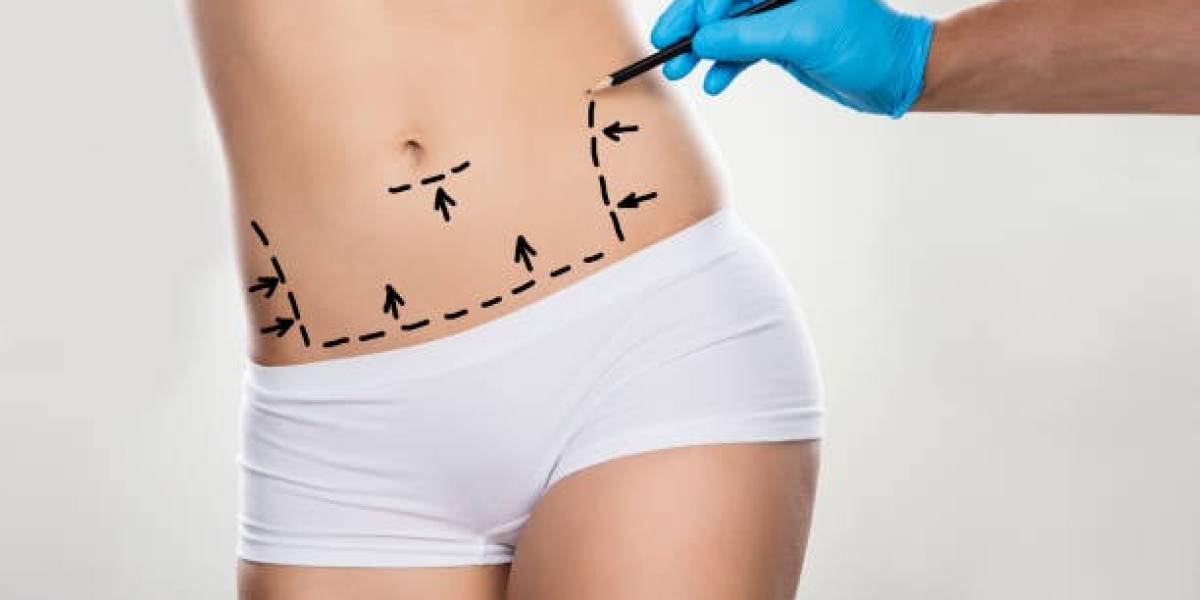

Liposuction is a body-contouring procedure designed to remove stubborn deposits of localized fat that may not respond easily to diet and exercise. For people exploring Liposuction in Riyadh, understanding the treatment, preparation, recovery, suitability, and expected results can make the decision-making process clearer. Liposuction is not generally considered a weight-loss treatment; instead, it is used to refine body contours by targeting specific areas where excess fat is concentrated.
Understanding Liposuction
Liposuction is a surgical technique that removes unwanted fat cells from selected areas of the body. Depending on the individual's anatomy and treatment goals, areas may include the abdomen, waist, hips, thighs, arms, back, or other areas where localized fat is present.
The procedure typically involves making small openings through which specialized instruments are introduced. Fat cells are loosened and removed using controlled suction. The exact technique can vary according to the treatment area, the amount of fat being addressed, and the individual's physical characteristics.
How Liposuction Works
During liposuction, the treatment area is carefully assessed before the procedure. The medical team identifies areas where fat removal may improve overall proportions and body contours. A suitable technique is then selected according to the individual's needs.
Liposuction removes fat cells from targeted areas rather than simply reducing their size temporarily. However, maintaining a stable weight after treatment remains important because remaining fat cells can enlarge with significant weight gain.
Liposuction and Weight Loss
It is important to distinguish liposuction from conventional weight-loss methods. Liposuction is generally intended for contour refinement rather than treating obesity or achieving substantial overall weight reduction.
Individuals considering Liposuction in Saudi Arabia may therefore benefit from understanding whether their primary concern involves localized fat deposits or broader weight-management needs. A qualified medical assessment can help establish whether body contouring is appropriate.
Who May Consider Liposuction?
Suitability for liposuction depends on several individual factors. People who maintain a relatively stable weight but have persistent areas of localized fat may be considered potential candidates.
Good skin elasticity can also influence the appearance of the treated area after fat removal. When skin has sufficient elasticity, it may adapt more effectively to the body's new contours.
Individual Assessment
A consultation allows a qualified medical professional to review overall health, previous procedures, medications, skin quality, and treatment expectations. The assessment can also identify whether another body-contouring approach may be more suitable.
People should have realistic expectations about what liposuction can accomplish. The procedure can improve the contour of selected areas, but it cannot guarantee a particular body shape or eliminate every irregularity.
Common Areas Treated With Liposuction
Liposuction can be used on different parts of the body where localized fat deposits affect proportions. The abdomen and waist are among the areas commonly associated with body contouring, while the thighs, hips, arms, back, and other areas may also be evaluated.
Abdomen and Waist
The abdomen and waist can develop persistent fat deposits that remain noticeable even with regular physical activity. Liposuction may be used to refine these areas when localized fat is the primary concern.
Thighs and Hips
Fat accumulation around the thighs and hips can influence the overall silhouette. Carefully planned treatment may help create more balanced contours while considering the surrounding anatomy.
Arms and Back
Localized fat on the upper arms or back can also be addressed in selected individuals. Treatment planning should account for skin elasticity and the relationship between the treated area and nearby body contours.
Preparing for Liposuction in Riyadh
Preparation is an important part of the treatment process. During the initial consultation, the medical team may review health history, medications, allergies, previous operations, and other factors that could affect the procedure.
Patients may receive specific instructions regarding medications, smoking, eating, drinking, and activity before surgery. These instructions should be followed carefully because preparation can influence safety and recovery.
Medical Consultation
A consultation is an opportunity to discuss personal goals and understand the proposed treatment. Patients should provide accurate information about their health and any medications or supplements they use.
It is also useful to discuss the areas being considered for treatment and ask how the procedure may affect body contours. Understanding realistic outcomes before treatment can help create appropriate expectations.
What to Expect During the Procedure
The exact experience of liposuction varies according to the technique, treatment area, and individual circumstances. Anesthesia is used to help control discomfort during the procedure, with the approach determined by the medical team.
The surgeon typically creates small openings in the selected area and uses a specialized cannula to loosen and remove fat. The movements are carefully controlled to achieve a balanced contour while minimizing unnecessary disruption to surrounding tissues.
Treatment Planning and Precision
Successful body contouring depends on more than removing as much fat as possible. Excessive or uneven fat removal can affect the appearance of the treated area. For this reason, treatment planning focuses on proportion, symmetry, and the individual's existing body structure.
The objective is generally to create smoother and more natural-looking contours rather than simply reducing the size of a particular body area.
Recovery After Liposuction
Recovery differs between individuals and depends on the amount and location of treatment. Swelling, bruising, tenderness, and temporary changes in sensation can occur during the early recovery period.
Patients may be advised to wear compression garments for a specified period. These garments can support the treated area during recovery and may help manage swelling according to the treating professional's instructions.
Returning to Normal Activities
Light movement is often encouraged when medically appropriate, while strenuous exercise and demanding physical activities may need to be restricted temporarily. The medical team provides individualized guidance based on the procedure and recovery progress.
Patients should attend recommended follow-up appointments so the treated areas can be monitored. Any unusual symptoms or concerns should be reported promptly.
When Will Results Become Visible?
The initial appearance after liposuction does not necessarily represent the final result. Swelling can temporarily obscure changes in body contours, meaning that the treated areas may continue to evolve as recovery progresses.
Gradual Contour Changes
As swelling decreases, the body's contours can become more defined. The timeline varies depending on the individual, treatment area, amount of fat removed, and healing response.
Maintaining a stable lifestyle after recovery can help preserve the changes achieved through body contouring. Liposuction does not prevent future weight gain, so long-term habits remain relevant.
Benefits and Limitations of Liposuction
Liposuction can provide targeted contour refinement for people with localized fat deposits. It may help improve proportions in areas where stubborn fat affects the overall body silhouette.
However, liposuction has limitations. It is not a substitute for healthy nutrition, physical activity, or comprehensive weight management. It also does not necessarily correct loose skin, cellulite, or every cause of uneven body contours.
Setting Realistic Expectations
Realistic expectations are an essential part of any cosmetic procedure. Results depend on anatomy, skin quality, treatment planning, healing, and lifestyle factors.
A professional consultation can explain what changes may reasonably be expected and whether additional treatments could be appropriate. Patients should understand both the potential benefits and possible risks before proceeding.
Safety and Important Considerations
As with any surgical procedure, liposuction carries potential risks. These can include infection, bleeding, swelling, changes in sensation, contour irregularities, fluid accumulation, scarring, and complications related to anesthesia or surgery.
Choosing an appropriately qualified medical professional and following preoperative and postoperative instructions are important aspects of responsible treatment. Individuals should disclose relevant health information so the medical team can assess potential risks accurately.
Choosing a Qualified Provider
When considering Liposuction in Saudi Arabia, patients should look for an appropriately licensed and experienced medical professional working in a properly equipped healthcare setting.
A thorough consultation should include discussion of medical history, treatment goals, technique, recovery, potential complications, and realistic results. Patients should feel comfortable asking questions before making a decision.
Conclusion
Liposuction can be an effective approach to targeted body contouring when used for appropriate candidates and realistic goals. Understanding how the procedure works, which areas can be treated, how preparation and recovery are managed, and what limitations exist can help individuals make informed decisions. For those researching Liposuction in Riyadh, professional assessment is an important step in determining whether the procedure aligns with their needs. Enfield Royal Clinic Saudi can be considered as one of the healthcare providers individuals may research when exploring available cosmetic treatment options in Saudi Arabia.
Frequently Asked Questions
FAQ: What Is Liposuction Used For?
Liposuction is primarily used to remove localized fat deposits and improve body contours. It is generally intended for body shaping rather than significant overall weight loss.
FAQ: Is Liposuction a Weight-Loss Treatment?
No. Liposuction is primarily a body-contouring procedure. It targets specific areas of localized fat rather than serving as a replacement for comprehensive weight-management strategies.
FAQ: Which Areas Can Be Treated With Liposuction?
Depending on individual suitability, areas may include the abdomen, waist, hips, thighs, arms, and back. The appropriate treatment areas are determined during a professional assessment.
FAQ: How Long Does Recovery From Liposuction Take?
Recovery varies according to the individual, treatment area, and extent of the procedure. Swelling and bruising may persist during the early healing period, while final contour changes can take longer to become apparent.
FAQ: Are Liposuction Results Permanent?
The fat cells removed during liposuction do not return in the same way, but remaining fat cells can enlarge if significant weight is gained. Maintaining a stable weight can therefore help preserve the body's new contours.
FAQ: What Should I Consider Before Liposuction in Saudi Arabia?
Individuals should consider their health, expectations, treatment goals, potential risks, recovery requirements, and the qualifications of the medical professional performing the procedure. A detailed consultation is essential before deciding whether liposuction is appropriate.