
Anyone evaluating an oral drug manufacturing project needs a clear read on Teriflunomide Production Cost before committing capital. Teriflunomide is a prescription medicine for relapsing forms of multiple sclerosis, taken daily over long periods. That makes demand steadier than an emergency-use antiviral, but it also means buyers, regulators and payers all watch quality and price closely.
So why should brokers, advisers and lenders care about the detail? Because generic entry has been widening in recent years, and pricing pressure tends to follow. A plant that looks fine at brand-era margins can look thin once tender prices settle. The cost base tells you how much room is actually left.
Understanding Teriflunomide Production Cost: What the Report Covers
A production cost study starts with the process and works outward. It follows the drug from starting chemicals through the active ingredient and into the finished tablet, then assigns a cost to everything consumed on the way. Raw materials, utilities, site infrastructure, machinery, manpower, packaging and transportation each get their own treatment. The point is to show where spending really lands, and how much goes to compliance and testing rather than chemistry.
That structure is what makes a Teriflunomide Production Cost Report useful when you're comparing options. You can set a make-versus-buy decision on the intermediate side by side, or one location against another, without guessing. Corporate advisers often use it to test whether a planned capacity fits realistic generic demand.
Raw Materials Required
Teriflunomide is the active metabolite of leflunomide, so the raw material picture is closely tied to that older molecule. One common route starts from 5-methylisoxazole-4-carboxylic acid, converted to its acid chloride, and 4-trifluoromethylaniline. These combine to give leflunomide, which is then opened under basic conditions to yield teriflunomide.
A second route builds the molecule from cyanoacetic acid and the same fluorinated aniline, forming a cyanoacetanilide that is then acetylated and rearranged into the final enol structure. The fluorinated aniline is one of the more specialized inputs in either case, and its quality matters because residual amounts are tightly controlled in the API.
Beyond these, the plant needs solvents, bases such as sodium hydroxide, acids for neutralization, and crystallization solvents with filter aids. For the tablet, excipients such as lactose, starch, binders, disintegrants, lubricants and film coating materials are required. Packaging covers blister foil or bottles, cartons and leaflets, all held to pharmaceutical standards.
The Industrial Production Process
Manufacturing splits into two stages: making the active pharmaceutical ingredient, then turning it into a tablet. Each stage has its own cost logic.
On the API side, the aniline is coupled with the acid chloride or cyanoacetic acid derivative under controlled temperature. If the leflunomide route is used, the isoxazole ring is then opened with base, and the mixture is acidified to precipitate crude teriflunomide. The crude product is filtered, washed and recrystallized. Polymorph and particle size control matter here, because they affect dissolution and blending. Solvents are recovered where possible, and the dried API is tested for related substances, residual solvents and the leftover fluorinated aniline before release.
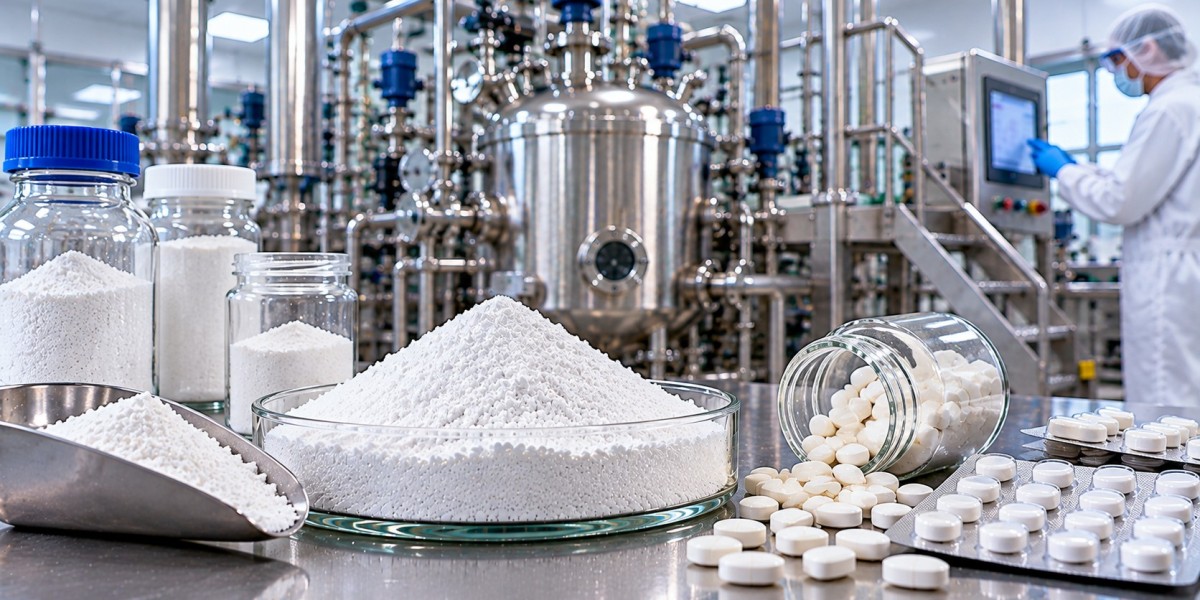
Formulation follows. The API is blended with excipients, granulated by wet or dry methods, compressed into tablets and film coated. Every batch is sampled, tested and documented under GMP rules, then packed into blisters or bottles. Because the drug carries safety warnings around liver effects and pregnancy, packaging and labelling controls are taken seriously.
Capital Investment and Plant Setup Cost Factors
Land and site come first, but the real spending happens inside the building. A pharmaceutical site needs classified areas, separated material flows, validated utilities such as purified water and clean air, and containment suited to a pharmacologically active compound. Effluent treatment for solvent and aqueous waste is another line that shouldn't be skimmed.
Machinery is the biggest block of capital. Reactors, crystallizers, centrifuges, dryers and solvent recovery units serve the API side. Blenders, granulators, tablet presses, coating pans and packaging lines serve the formulation side. Qualification, validation and engineering add a heavy layer that general chemical plants never carry. Many first-time investors are surprised by how large that share of the budget turns out to be.
Working capital gets underestimated. Specialty intermediates, long release testing times and payers or distributors on extended terms all tie up cash. A realistic teriflunomide plant setup cost estimate needs to carry that cushion next to the visible build cost.
Operating Cost Factors
Variable costs follow batch volume. Raw materials and intermediates lead, then solvents, utilities, excipients and packaging. Since the fluorinated inputs carry a premium, a change in their price moves Teriflunomide Production Cost far more than a change in the power tariff would.
Fixed costs stay in place whatever the output. Salaries for chemists, quality assurance staff and qualified persons, insurance, regulatory fees, audits and site overheads belong here. Honestly, this is where pharma differs most from bulk chemicals. Headcount is small compared with output, yet every role is skilled and hard to replace.
Maintenance and calibration are constant, since validated equipment has to stay validated. Depreciation spreads machinery cost over its life, and financing charges depend on the debt share. A careful teriflunomide production cost analysis treats each of these separately so lenders can see the real break-even, including periods of lower utilization when a tender is lost.
What Pushes Cost Up or Down
Route choice is the first lever. Making the API from cyanoacetic acid can avoid handling a separate isoxazole intermediate, while the leflunomide route may suit a producer already making that molecule. Yield and impurity control at each step decide which one wins on cost per kilogram.
Competition is next. As more generic suppliers enter, selling prices fall, and only plants with efficient synthesis and low rejection rates keep a workable margin. Technology helps through better crystallization, higher conversion and efficient solvent recovery. Scale spreads fixed compliance costs over more tablets, though a plant sized well above realistic demand becomes a liability.
Regulation and region shape the rest. Approval pathways, inspection standards, labour rates, energy tariffs and tax incentives differ widely, so the same design can give a very different teriflunomide manufacturing plant cost depending on where it's built.
Frequently Asked Questions
Q: What's the biggest cost in making teriflunomide?
Specialty raw materials and the compliance burden around them. Utilities sit well behind.
Q: Is it the same molecule as leflunomide?
Not quite, but they're closely linked. Leflunomide converts to teriflunomide in the body, and it can also be converted chemically during manufacturing. That's why some producers run both from a shared intermediate base. If a plant already makes leflunomide, adding teriflunomide can be cheaper than starting from scratch, though it still needs its own validation, specifications and regulatory filings. Check for shared equipment and cross-contamination rules early, since they affect layout.
Q: Can a new plant just start making it?
Not immediately. Regulatory approval and patent or exclusivity status need sorting first.
Q: How does a detailed study help before I invest?
It swaps rough guesses for structured numbers. A proper teriflunomide production cost analysis shows sensitivity to intermediate prices, yield and utilization, and it makes financing talks far more grounded. It also shows early which assumptions are too optimistic, which is when they're cheapest to fix.
Q: What should I check first when reviewing a proposal?
Start with the regulatory and legal position, because without approval there's no product to sell. Then look at customer or tender access, intermediate supply and the yield claimed. If the quoted teriflunomide manufacturing plant cost looks unusually low, ask what's missing, especially validation, effluent handling, impurity testing and working capital.
Why a Professional Report Matters
Pharmaceutical plant decisions are very hard to reverse. Once the classified areas are built and validation is underway, you're committed for years. That's why the quality of the numbers matters so much.
A well-prepared Teriflunomide Production Cost study gives investors, advisers and lenders a shared factual base to work from. It lets you stress test price erosion scenarios, negotiate financing and catch weak assumptions before they turn into losses.