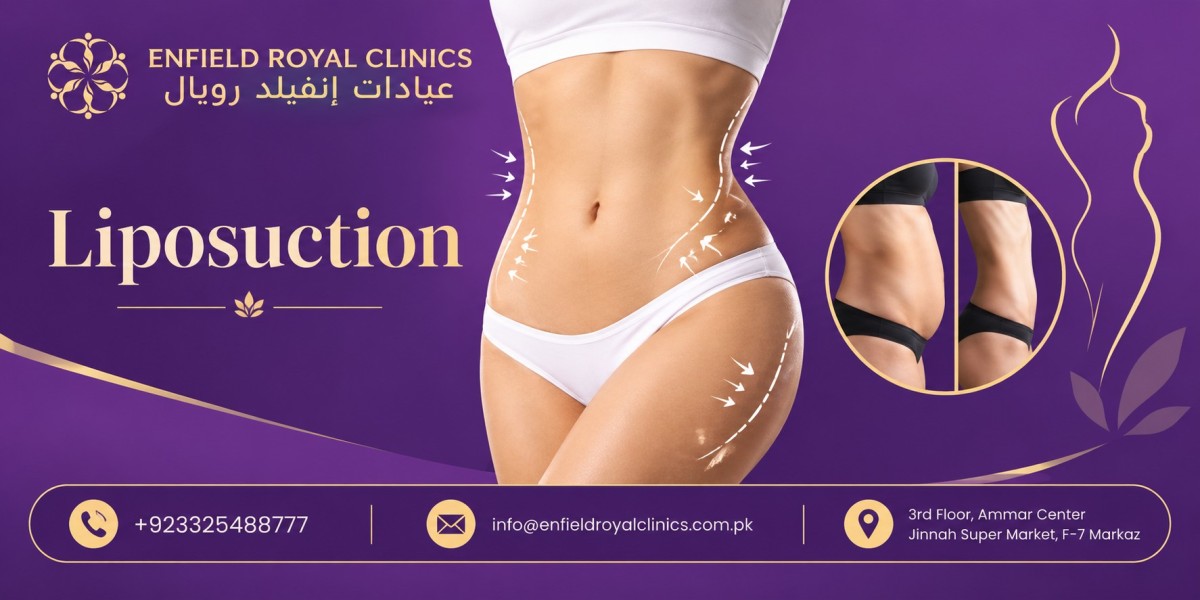

Liposuction is a widely used body-contouring procedure designed to reduce localized fat deposits and improve body proportions. While it can provide noticeable contouring benefits, safety depends on several factors, including proper patient assessment, suitable treatment planning, appropriate technique, sterile conditions, and careful aftercare. For people considering Liposuction In Islamabad, understanding how expert medical care supports a safer treatment experience can help set realistic expectations.
Liposuction is not simply a method of losing weight. It is generally intended for people who have stubborn areas of fat that may remain despite healthy eating and regular physical activity. With appropriate medical evaluation and individualized planning, the procedure can target specific areas while considering the person's overall health, skin elasticity, body proportions, and desired outcome.
How Does Expert Medical Care Support Liposuction Safety?
Professional medical care begins before the procedure itself. A proper assessment helps determine whether liposuction is appropriate and which areas may benefit from treatment. Medical history, current medications, previous procedures, allergies, lifestyle factors, and general health may all be reviewed during the consultation process.
This assessment is important because liposuction is not suitable for every person or every type of body concern. Significant medical conditions, certain medications, poor skin elasticity, or unrealistic expectations may affect treatment planning. Identifying relevant concerns beforehand allows the treatment approach to be adjusted when necessary.
Expert care also involves discussing the expected benefits, possible limitations, recovery process, and potential risks. Clear communication gives patients a better understanding of what the procedure can and cannot achieve.
Why Is Individualized Treatment Planning Important?
Every person's body is different, so a standardized approach may not produce appropriate results. Individualized planning considers the amount and location of unwanted fat, skin quality, body shape, and the relationship between different treated areas.
For example, someone seeking abdominal contouring may require a different approach from someone focusing on the thighs, hips, arms, back, or under-chin area. The goal is usually to create balanced contours rather than simply remove as much fat as possible.
Treatment planning may also consider how the skin is expected to respond after fat reduction. Liposuction removes fat but does not directly correct significant loose skin. People with good skin elasticity may experience better natural adaptation to their new contours, while those with considerable skin laxity may require discussion of other treatment options.
What Safety Measures Are Used During Liposuction?
Safety during liposuction involves more than the fat-removal technique itself. Appropriate preparation, sterile practices, monitoring, and careful control of the procedure are important parts of medical care.
Liposuction commonly involves making small openings through which a thin cannula is introduced to loosen and remove targeted fat. The amount of fat removed and the areas treated should be determined according to the individual's needs and medical considerations.
Qualified medical professionals also pay attention to factors such as fluid management, bleeding risk, tissue response, and the person's condition throughout the procedure. Appropriate monitoring can help identify concerns early and support timely management when needed.
The setting in which treatment is performed also matters. Proper hygiene, suitable equipment, trained support staff, and established safety protocols all contribute to reducing avoidable risks.
What Risks Should Patients Understand Before Treatment?
Like any surgical procedure, liposuction can involve risks. Common short-term effects may include swelling, bruising, tenderness, soreness, and temporary changes in skin sensation. These effects generally improve as the body heals, although recovery can vary from one person to another.
Less common but more serious complications can occur, which is why proper medical assessment and appropriate treatment planning are important. Potential concerns may include infection, excessive bleeding, fluid-related problems, changes in skin contour, or adverse reactions to anesthesia or medications.
Understanding these possibilities does not mean that complications will occur. Instead, informed patients can make decisions based on realistic information and know why professional supervision is an important part of the process.
Patients should also provide complete information about medications, supplements, allergies, previous surgeries, and existing health concerns. Withholding relevant medical information can make appropriate risk assessment more difficult.
How Does Aftercare Contribute to a Safer Recovery?
Safety does not end when the procedure is completed. Proper aftercare plays an important role in recovery and helps the body heal appropriately.
Patients may be advised to wear compression garments, follow wound-care instructions, limit certain activities temporarily, and attend follow-up appointments. The exact recommendations depend on the treatment area, amount of fat removed, technique used, and individual recovery.
Swelling can make the treated area appear uneven or less defined during the early healing period. This does not necessarily represent the final result. As swelling gradually decreases and tissues settle, the contours can become more noticeable.
Patients should also follow guidance about returning to exercise and normal daily activities. Trying to resume strenuous activity too quickly may interfere with recovery, while appropriate gradual movement can support overall healing.
Any unusual symptoms, worsening pain, significant swelling, fever, breathing difficulties, or other concerning changes should be reported promptly to the treating medical team.
Can Liposuction Provide Safe and Natural-Looking Contours?
When appropriately planned and performed for a suitable candidate, liposuction can help reduce localized fat and create more balanced body contours. The objective is generally not to produce an artificially thin appearance but to improve the relationship between treated and untreated areas.
Results depend on several factors, including the individual's starting body shape, skin elasticity, treatment area, amount of fat removed, healing response, and weight stability. Maintaining a relatively stable weight after treatment can help preserve the improved contours.
It is also important to understand that liposuction is not a substitute for a healthy lifestyle or a comprehensive treatment for obesity. Significant weight changes after the procedure can alter the body's appearance because remaining fat cells can enlarge. Healthy nutrition, regular physical activity, and appropriate follow-up can support longer-term results.
For people considering Liposuction In Islamabad, choosing care that includes proper assessment, individualized planning, appropriate safety measures, and structured aftercare can make the treatment process more informed and organized. The most suitable approach depends on the individual's health, goals, body composition, and medical assessment.
Frequently Asked Questions
Is liposuction generally considered a safe procedure?
Liposuction can be performed safely in suitable candidates when appropriate medical assessment, surgical technique, monitoring, and aftercare are used. Like other surgical procedures, it still carries potential risks, so individual evaluation is important.
Does expert medical care reduce liposuction risks?
Proper medical care can help identify risk factors, select suitable candidates, plan the treatment appropriately, maintain safety protocols, monitor the procedure, and provide guidance during recovery. It cannot eliminate every possible complication.
How long does recovery from liposuction take?
Recovery varies according to the treatment area, extent of fat removal, technique, and individual healing. Swelling and bruising may persist for a period after treatment, while the final contours can become clearer gradually as the body heals.
Can liposuction permanently remove fat from treated areas?
Liposuction physically removes fat cells from targeted areas, but it does not prevent future weight gain. Remaining fat cells can increase in size if a person gains significant weight, so maintaining a stable and healthy lifestyle can help support the results.
For more information visit Enfield royal clinic in islamabad