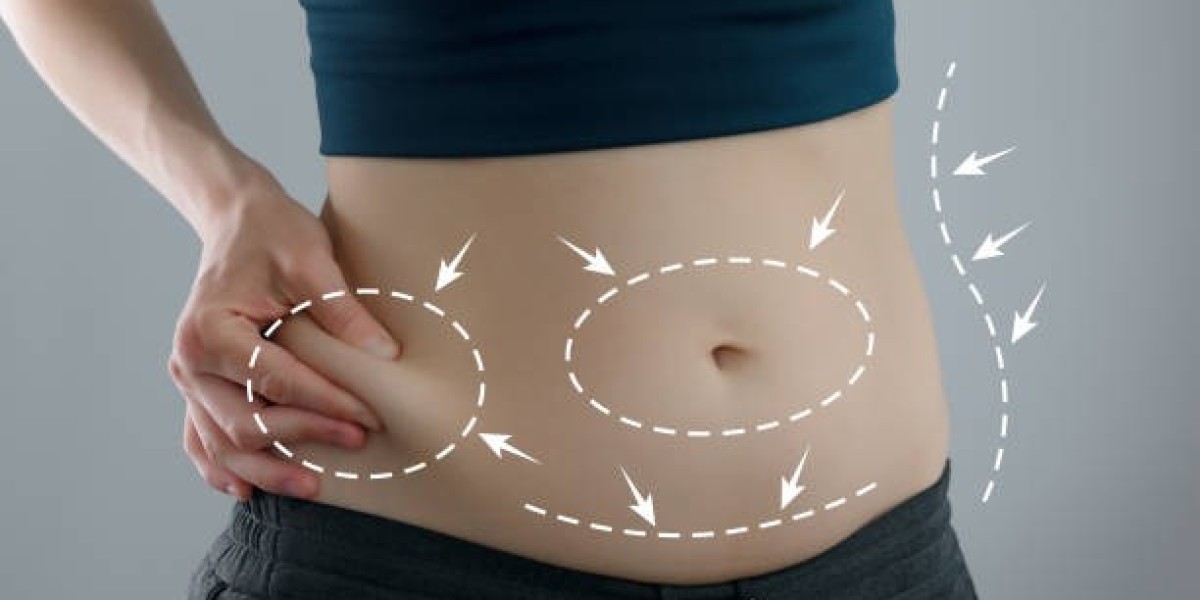

Regular exercise and balanced nutrition can support overall health and help manage body weight, but some localized fat deposits may remain noticeable even when a person is physically active. These areas are sometimes called stubborn fat because they can be resistant to changes in diet and exercise. liposuction may be considered for suitable patients who want to reduce selected deposits of subcutaneous fat and refine specific body contours.
What Are Stubborn Fat Areas?
Stubborn fat refers to localized areas of fullness that may persist despite consistent healthy habits. Genetics, hormones, age, body composition, and natural fat distribution can all influence where the body stores fat.
Common areas where localized fat may appear include the abdomen, waist, flanks, hips, thighs, upper arms, and back. The presence of these deposits does not necessarily mean that someone is overweight. A person can have a relatively stable weight and still have areas they would like to contour.
Why Exercise May Not Remove Localized Fat
Exercise can strengthen muscles and contribute to overall fat loss, but it does not allow a person to choose exactly where the body loses fat. Genetics and individual physiology influence the areas where fat is stored and reduced.
For this reason, someone may become fitter and maintain a healthy weight while still noticing fullness around the waist, abdomen, thighs, or other areas.
Liposuction approaches this concern differently by physically removing selected subcutaneous fat cells from specific areas.
How Liposuction Targets Resistant Areas
Liposuction in Riyadh is a surgical body-contouring procedure that uses a thin cannula to remove targeted subcutaneous fat beneath the skin. The surgeon creates small access points and carefully removes fat from the selected area.
The goal is controlled contour improvement rather than maximum fat removal. Careful planning helps maintain smooth transitions between treated and untreated areas and supports balanced body proportions.
Subcutaneous Fat vs. Visceral Fat
It is important to understand that liposuction primarily targets subcutaneous fat, which is located beneath the skin. It does not remove visceral fat located around internal organs.
A physical assessment can help determine whether the visible fullness is primarily caused by subcutaneous fat and whether liposuction may be appropriate.
Areas Commonly Considered for Treatment
Depending on individual anatomy and suitability, localized fat reduction may be considered for:
- Abdomen
- Waist and flanks
- Hips
- Thighs
- Upper arms
- Back
- Certain other areas with localized subcutaneous fat
The appropriate treatment area varies from person to person. Some patients may need only one area addressed, while others may have several areas evaluated as part of an overall contouring plan.
Who May Be a Suitable Candidate?
Liposuction is generally intended for people with localized fat deposits rather than significant overall weight reduction. Suitable patients may have relatively stable weight, reasonable skin elasticity, good general health, and realistic expectations.
During a consultation, the surgeon may review your medical history, medications, allergies, previous surgeries, body composition, skin quality, and treatment goals.
Being physically active does not automatically make someone a candidate. The procedure still requires an assessment of whether the amount and location of fat are appropriate for surgical contouring.
The Importance of Skin Elasticity
Skin elasticity can influence the appearance of the treated area after fat removal. When the skin has reasonable elasticity, it may adapt more effectively to the underlying contour.
If substantial loose skin is present, liposuction alone may not provide the desired result because the procedure removes fat rather than significant excess skin. Another body-contouring approach may need to be considered in such circumstances.
What Happens During the Procedure?
Before treatment, the surgeon examines the selected areas and develops an individualized plan. The appropriate technique and anesthesia approach depend on factors such as the treatment area, amount of fat, overall health, and extent of contouring.
During liposuction, small openings are created and a cannula is inserted to remove targeted fat. The surgeon works carefully to achieve a smooth and proportionate contour.
The technique is selected according to the patient's individual circumstances rather than assuming that one method is appropriate for everyone.
Recovery After Liposuction
After Liposuction in Riyadh, temporary swelling, bruising, tenderness, and changes in sensation can occur. A compression garment may be recommended to support the treated area during recovery.
Light movement may be encouraged according to medical instructions, while strenuous exercise and heavy lifting may need to be restricted temporarily. Follow-up appointments allow the surgical team to monitor healing and address any concerns.
Swelling can initially make the treated area appear fuller or uneven. As healing progresses, the contour becomes easier to evaluate.
Can Stubborn Fat Return?
Liposuction permanently removes fat cells from the treated area. However, the remaining fat cells can enlarge if significant weight gain occurs.
Maintaining a stable weight through regular physical activity and balanced nutrition can help support the body contours achieved through treatment. Liposuction should therefore be viewed as a contouring procedure rather than a replacement for healthy lifestyle habits.
Safety and Realistic Expectations
Like any surgical procedure, liposuction has potential risks. These may include infection, bleeding, fluid accumulation, swelling, contour irregularities, asymmetry, temporary or persistent changes in sensation, and scarring.
It is also important to understand the limitations of treatment. Liposuction can reduce localized fat but cannot guarantee a particular body shape, eliminate all fat from an area, or treat obesity. Individual results depend on anatomy, skin elasticity, healing, and other factors.
Book Your Appointment at Royal Clinic Saudia
If stubborn fat remains noticeable despite your exercise and healthy lifestyle efforts, Royal Clinic Saudia can provide a personalized consultation. An assessment can determine whether Royal Clinic Saudia is suitable for your treatment goals and explain the procedure, recovery, and expected contour changes.
FAQs:
Can liposuction treat fat that does not respond to exercise?
Yes, it may reduce selected deposits of subcutaneous fat that remain despite healthy lifestyle habits.
Is liposuction a substitute for exercise?
No. Liposuction is a body-contouring procedure and does not replace regular physical activity or healthy nutrition.
Which areas can be treated?
Common areas include the abdomen, waist, flanks, hips, thighs, arms, and back, depending on individual suitability.
Can the fat come back after liposuction?
Treated fat cells are removed, but remaining fat cells can enlarge with significant weight gain.