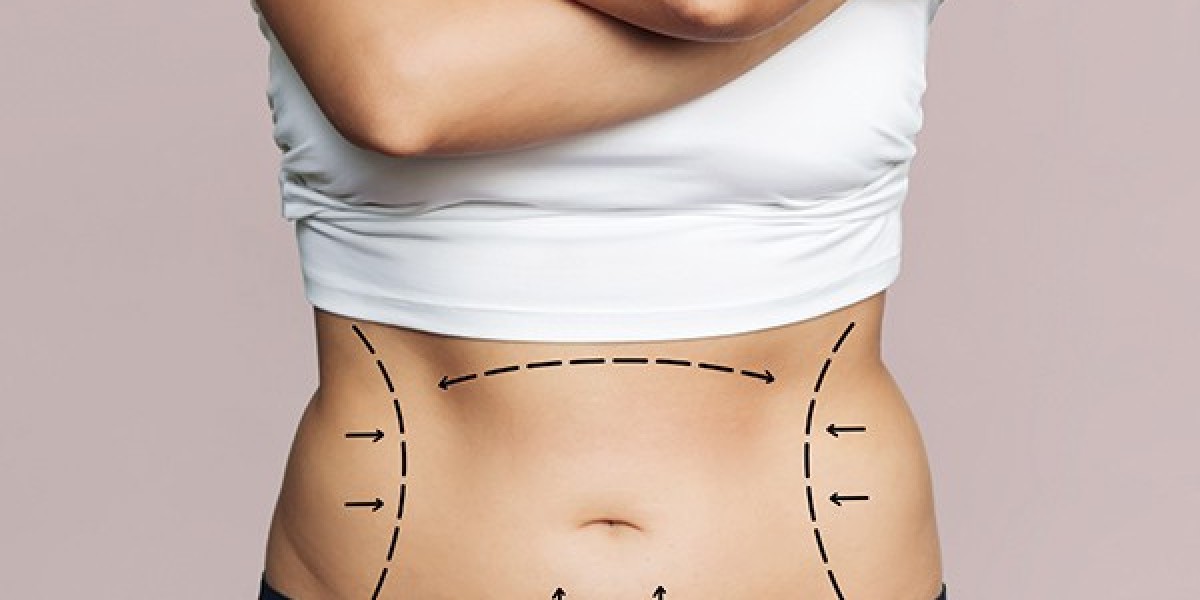

Abdominoplasty is not simply about removing excess abdominal skin. The procedure involves detailed assessment of the abdomen, including its width, height, waist transition, skin envelope, abdominal wall structure and relationship with the surrounding torso. Because every person's body proportions are different, surgical planning needs to be adapted to the individual's anatomy rather than following one standard approach.
For people considering Abdominoplasty Dubai, understanding how abdominal proportions are evaluated can provide useful insight into the consultation process. Dr. Shahram Sajjadi considers the abdominal region as part of the overall body contour when developing an individualised surgical plan. His clinic describes abdominoplasty as a procedure that can remove excess skin and fat and, where appropriate, address the abdominal muscles.
Current evidence also supports an individualised approach. A review of abdominoplasty planning notes that patients can present with very different anatomical characteristics following pregnancy, weight changes and ageing, making a one-size-fits-all approach unsuitable.
What Are Abdominal Proportions?
Abdominal proportions refer to the relationship between different dimensions and structures of the midsection. These include the width and length of the abdomen, waist contour, position of the umbilicus, distribution of excess skin and the relationship between the abdomen and the hips, flanks and chest.
During an assessment, the surgeon may consider how these features work together rather than looking at excess skin alone.
For example, two patients may have a similar amount of loose abdominal skin but require different surgical plans because their body shapes, waist widths, skin distribution and abdominal wall structures are different.
This is why a detailed physical examination is an important part of planning Best abdominoplasty Dubai for an individual patient.
Why Are Abdominal Proportions Important During Planning?
The abdomen forms a central part of the body's silhouette. Changes to one area can influence how other areas appear.
A surgical plan therefore needs to account for the relationship between:
- Upper and lower abdomen
- Waist and hips
- Abdomen and flanks
- Abdominal wall and overlying skin
- Umbilicus and surrounding abdominal tissue
- Central abdomen and lateral contours
The goal of evaluating these relationships is to establish how the abdominal tissues can be reshaped while maintaining proportions that correspond with the individual's existing body structure.
Research on abdominal contouring describes abdominal deformities as diverse and recommends precise evaluation and individualised decision-making when selecting a suitable approach.
How Is Abdominal Width Evaluated?
Abdominal width is assessed in relation to the patient's overall torso.
The surgeon may examine the width of the abdomen from the front and determine where the widest areas occur. The flanks may also be assessed because lateral fullness can influence the appearance of the waist and abdomen.
This assessment helps distinguish between excess tissue located centrally and tissue extending toward the sides.
Rather than automatically aiming for the narrowest possible waist, the surgeon considers the patient's natural skeletal structure and soft-tissue distribution. This creates a more individualised basis for determining which areas may require attention.
The abdominal width is therefore considered together with the hips, waist and upper torso.
How Is Abdominal Height Considered?
The vertical height of the abdomen is another important planning consideration.
The surgeon may examine the distance between the lower abdominal region and the ribcage, the position of the umbilicus and the distribution of loose skin across the upper and lower abdomen.
The location and amount of excess skin can influence the type and extent of abdominoplasty considered. Dr. Shahram Sajjadi's description of the procedure explains that excess tissue between the umbilicus and the lower abdominal area may be removed, with the incision length depending on the amount of skin and fat being addressed.
This means that the vertical characteristics of the abdomen are assessed before the surgical plan is finalised.
How Does Waist Contour Influence Abdominoplasty Planning?
The waist is an important transition point between the abdomen and hips. Its shape can influence the overall appearance of the torso.
During consultation, the surgeon may assess whether the waist is naturally defined, relatively straight or affected by excess tissue extending toward the flanks.
The abdominal plan can then be developed with consideration for these existing contours.
It is important to understand that abdominoplasty is not simply a procedure for reducing abdominal size. It is a body-contouring operation in which the surgeon evaluates the distribution of skin, fat and underlying structures to determine how the abdomen can be reshaped.
This individualised approach is consistent with current evidence-based recommendations for abdominal contouring.
How Is the Upper Abdomen Evaluated?
The upper abdomen can have different characteristics from the lower abdomen. Some patients have more loose skin below the umbilicus, while others have tissue extending across a larger portion of the abdominal area.
The surgeon may assess:
- Skin laxity
- Skin quality
- Tissue thickness
- Upper abdominal fullness
- Umbilical position
- Relationship between the upper and lower abdomen
The distribution of excess tissue can influence whether a conventional full abdominoplasty or another approach is more appropriate.
The assessment is therefore not based solely on how much tissue is present. Its location and relationship with other abdominal structures also matter.
Why Is the Lower Abdomen Important?
The lower abdomen is frequently an area where excess skin accumulates after pregnancy or significant weight loss.
During planning, the surgeon evaluates how much tissue is present, where it begins and how far it extends toward the pubic region and sides.
The position of previous scars may also be relevant when developing the incision plan. For example, previous abdominal surgery can alter the existing skin envelope and needs to be considered during the consultation.
Dr. Shahram Sajjadi describes abdominoplasty as a procedure that can address excess tissue extending toward an existing caesarean scar or lower abdominal area, depending on the patient's anatomy.
How Does the Abdominal Wall Affect Proportional Planning?
Abdominal proportions are not determined by skin and fat alone. The underlying abdominal wall also contributes to the contour.
The surgeon may assess the central abdominal wall for separation or weakness, particularly in patients following pregnancy or significant changes in body weight.
Recent literature distinguishes superficial skin laxity from rectus diastasis, noting that these represent different anatomical conditions and may require different considerations during abdominoplasty planning.
This distinction is important because a patient can have loose skin, abdominal wall changes, or a combination of both. Understanding the underlying anatomy allows the surgeon to determine which components should be addressed.
How Is Rectus Diastasis Considered?
Rectus diastasis refers to widening or attenuation of the connective tissue along the midline of the abdominal wall. It can affect the appearance and contour of the abdomen, particularly around the central region.
During consultation, the surgeon may assess the abdominal wall to determine whether there is evidence of separation or reduced central tension.
If abdominal wall tightening is appropriate for the individual, this may form part of the surgical plan. Dr. Shahram Sajjadi's information on abdominoplasty notes that abdominal muscles may be tightened depending on the patient's needs.
The important point is that muscle-related changes are assessed as part of the complete abdominal anatomy rather than assumed to be present in every patient.
How Is the Umbilicus Considered?
The belly button, or umbilicus, is a central visual reference point on the abdomen. Its position, shape and relationship with the surrounding tissue can influence the overall abdominal contour.
During abdominoplasty planning, the surgeon may consider:
- Current umbilical position
- Distance from the lower abdominal area
- Surrounding skin laxity
- Relationship with the abdominal midline
- How the umbilicus will relate to the reshaped skin envelope
Because the umbilicus sits near the centre of the abdomen, its position needs to be considered alongside the vertical proportions of the abdominal region.
How Are the Flanks Included in the Assessment?
The abdomen does not end at the front of the body. The flanks can strongly influence the transition from the waist to the back and hips.
A patient may have relatively limited central abdominal excess but more tissue toward the sides. Another may have significant central skin laxity with comparatively little lateral fullness.
This difference can influence how the surgeon approaches body contouring.
Assessing the flanks therefore allows the surgeon to understand the complete torso rather than viewing the abdomen as a flat front-facing area.
How Does Body Shape Influence the Surgical Plan?
Body shape varies considerably between individuals. Some people have a naturally narrow waist and broader hips, while others have a straighter torso or different distribution of soft tissue.
These differences are important because the same surgical manoeuvre may create different visual effects on different body types.
A personalised abdominoplasty plan takes these existing proportions into account. The aim is to determine how the abdominal tissues can be reshaped in a way that corresponds with the patient's overall anatomy.
This is one reason evidence-based literature recommends selecting abdominal contouring techniques according to individual anatomical presentation rather than using a universal approach.
How Are Previous Pregnancy and Weight Changes Considered?
Pregnancy and significant weight changes can alter several components of abdominal anatomy at the same time.
After pregnancy, a patient may experience changes in skin elasticity, abdominal wall structure and tissue distribution. Following substantial weight loss, there may be a larger amount of redundant skin extending across the abdomen and flanks.
The surgeon therefore needs to understand the patient's history before planning the procedure.
A detailed consultation can establish when the changes occurred, how the abdomen has changed over time and which areas are currently of greatest concern.
Dr. Shahram Sajjadi's patient information identifies pregnancy and significant weight loss among common circumstances in which people consider abdominoplasty.
Why Are Standing Measurements and Markings Useful?
Body contour can appear different when a person is standing compared with lying down. For this reason, preoperative assessment and markings are commonly performed while the patient is upright.
Recent literature on abdominal contour planning describes strategic preoperative markings of the midline and anatomical landmarks while the patient is standing.
Standing assessment can help the surgeon understand:
- Natural abdominal contour
- Position of the waist
- Distribution of loose skin
- Lateral tissue
- Existing asymmetry
- Lower abdominal tissue
- Relationship between the abdomen and hips
These observations can then contribute to the development of the surgical plan.
How Does Individual Anatomy Guide the Choice of Technique?
There is no single form of abdominoplasty that is appropriate for every abdominal shape.
Depending on the patient's anatomy, the surgical discussion may involve a full abdominoplasty, a more limited approach or additional contouring considerations.
Dr. Shahram Sajjadi's information explains that different abdominoplasty procedures can be tailored to individual patient needs.
The choice can depend on factors such as the amount and location of excess skin, abdominal wall characteristics, previous surgery, body proportions and the patient's desired changes.
The consultation is therefore an important stage in determining which approach corresponds with the patient's anatomy.
How Are Patient Goals Included in Proportional Planning?
Surgical planning combines anatomical assessment with the patient's personal goals.
Some patients may primarily want to address lower abdominal skin, while others may be more concerned about the overall waist contour or changes following pregnancy or weight loss.
During consultation, it can be useful to explain which areas are most important to you and what kind of change you are hoping to achieve.
The surgeon can then compare these expectations with the existing anatomy and explain which aspects of the abdominal contour can be addressed through abdominoplasty.
This discussion helps ensure that the surgical plan is based on both physical assessment and individual objectives.
What Happens During an Abdominoplasty Consultation?
A consultation generally begins with a discussion of the patient's medical and surgical history and the reasons for considering the procedure.
The surgeon can then examine the abdomen in different positions and assess the skin, soft tissue and abdominal wall.
Measurements and markings may be used to understand the relationship between different anatomical landmarks.
Dr. Shahram Sajjadi's clinic states that abdominoplasty commonly involves removal of excess skin and fat, with abdominal muscle tightening performed according to individual needs.
The consultation is also an opportunity to discuss the proposed approach, incision placement, expected changes in abdominal contour and any questions the patient may have.
Why Is a Personalised Approach Important?
Every abdomen has a different combination of skin elasticity, fat distribution, abdominal wall structure and body proportions.
A patient who has undergone major weight loss may require a different approach from someone whose abdominal changes developed after pregnancy. Similarly, a patient with mainly lower abdominal excess may require a different plan from someone with tissue extending across the upper abdomen and flanks.
Recent evidence describes abdominal contour deformities as a spectrum and supports phenotype-based evaluation when planning modern abdominoplasty.
Personalised planning therefore helps the surgeon address the specific anatomical features present in each individual.
Conclusion
Abdominal proportions are an important part of abdominoplasty planning because the abdomen is a three-dimensional structure rather than simply an area of excess skin.
During consultation, factors such as abdominal width, vertical height, waist definition, upper and lower abdominal tissue, umbilical position, flanks and abdominal wall structure can be assessed together. Pregnancy, weight changes and previous abdominal surgery may also influence the existing proportions.
For Abdominoplasty Dubai, this detailed assessment allows Dr. Shahram Sajjadi to develop a surgical plan around the patient's individual anatomy and goals. Rather than applying one standard technique to every patient, the planning process considers how the different abdominal structures relate to one another and to the wider body contour.
For individuals researching Best abdominoplasty Dubai, discussing these proportional considerations during consultation can provide a clearer understanding of how the proposed procedure may be tailored to their particular abdominal structure.
Frequently Asked Questions
What are abdominal proportions in abdominoplasty?
Abdominal proportions describe the relationship between the width, height and contour of the abdomen and surrounding areas such as the waist, hips and torso. They also include the position of the umbilicus and the distribution of skin and soft tissue.
Why are abdominal proportions considered before abdominoplasty?
They help the surgeon understand the patient's natural body structure and determine how excess skin, soft tissue and abdominal wall changes relate to one another. This supports an individualised surgical plan.
Does every patient need the same abdominoplasty technique?
No. The appropriate approach depends on individual anatomy, including the location and amount of excess skin, abdominal wall characteristics, body proportions and previous surgery. Evidence supports tailoring the procedure to the patient's specific presentation.
Does the waist influence abdominoplasty planning?
Yes. The waist forms an important transition between the abdomen and hips. Its existing shape and the distribution of tissue toward the flanks may be considered when developing the overall contouring plan.
Is the belly button considered during abdominoplasty planning?
Yes. The position and relationship of the umbilicus with the surrounding abdominal skin and midline are important considerations when planning how the abdominal tissues will be reshaped.
How does pregnancy affect abdominal proportions?
Pregnancy can alter the skin envelope, tissue distribution and abdominal wall. These changes are assessed individually during consultation so the surgeon can understand which anatomical areas require attention.
Does weight loss affect abdominoplasty planning?
Significant weight loss can leave excess or redundant skin across different parts of the abdomen and torso. The amount and distribution of this tissue can influence the surgical approach.
Is rectus diastasis considered during an abdominoplasty consultation?
Yes. The abdominal wall can be assessed for separation or changes in central tension. Rectus diastasis and superficial skin laxity are distinct anatomical conditions and may need to be considered separately during planning.
Why are the flanks assessed during tummy tuck planning?
The flanks affect the transition between the abdomen, waist and hips. Assessing them helps the surgeon understand the complete body contour rather than focusing only on the central abdomen.
Are abdominal measurements taken before surgery?
Measurements and anatomical markings may be used during preoperative planning. Standing assessment can be particularly useful because it shows the natural position and distribution of abdominal tissues.
How does Dr. Shahram Sajjadi plan abdominoplasty?
Dr. Shahram Sajjadi's clinic describes abdominoplasty as an individualised procedure that can involve removal of excess skin and fat and, where appropriate, tightening of the abdominal muscles. The exact approach depends on the patient's anatomy and needs.
What should I discuss during an abdominoplasty consultation?
You can discuss the areas of your abdomen that concern you most, previous pregnancies or weight changes, previous abdominal surgery, your desired body contour and any questions about the proposed surgical approach. This information can help the surgeon develop a plan suited to your individual anatomy.