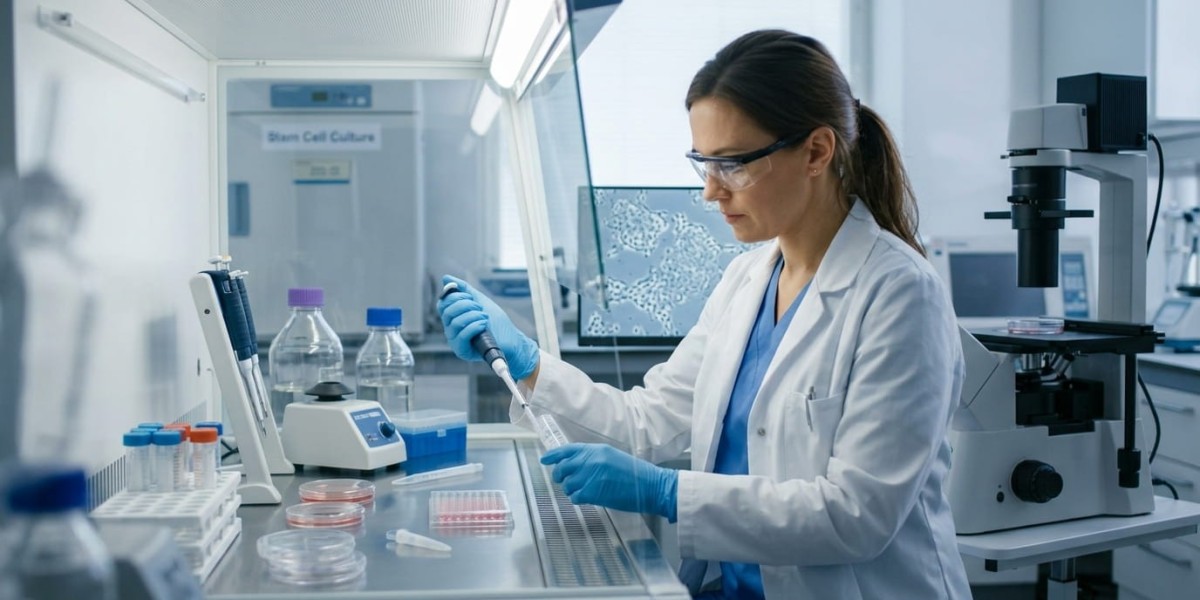

The injuries sustained through sport participation can occur at all levels. Torn ligament, a damaged cartilage, or a damaged tendon may make it hard to move normally. Recovery involves resting and physiotherapy in most cases, and for some patients, exploring for newer treatment options. Stem cell treatment sports injuries is one area receiving attention in regenerative medicine. The concept is based on the use of cells or cell-based products for the impact on supporting the natural repair processes of the body. However, outcomes may differ and not all stem cell treatments are proven to be effective for all sports injuries.
How Stem Cell Treatment May Help
The study of stem cells, which can communicate with the damaged tissues and emit biological signals, is due to their ability to assist in communicating with the damaged tissues. Scientists are studying the potential impact of these cells on inflammation, repair of the injured tissue and its surrounding environment. It does not mean that stem cells can be used to simply replace a torn ligament or rebuild damaged tissue in each patient.
Depending on what is being offered, whether it is a problem with the joints, cartilage, tendinous or soft tissues, treatment may be considered depending upon their condition. It is crucial to get the proper medical evaluation before deciding. Different treatment plans will depend upon the type of injury, its severity, past treatment, age, activity and overall health.
Sports Injuries That May Need Care
There are many different types of sports injuries. A small muscle strain would require different care from a big ligament tear. Signs of common issues for active people include:
Injuries to the ligaments: A knee injury, especially from an ACL tear, may cause unrest in the joint as well as difficulties with stability and movement.
Tendon trouble: The Achilles or elbow tendon may be a source of pain and injury, due to repeated stress.
Damage to the cartilage: The damage of cartilage of the joint may result in a decrease in movement, swelling and pain.
Muscle injuries: Sudden movements can cause muscle strains or tears.
Joint injuries: Shoulders, knees, hips, and ankles can be affected by sports and repeated physical activity.
A number of musculoskeletal issues are under investigation using stem cell-based technology. But the weight of evidence is not uniform for all conditions. Patients should seek specific evidence for the treatment offered, and not merely agree to the general words about stem cells.
Advanced Sports Injury Treatment With Stem Cells UK
Regenerative medicine is an ongoing process where scientists are trying out the Advanced sports injury treatment with stem cells. It's not just about helping to ease pain. The scientists are also interested in examining and trying to change healing and tissue repair. Some methods involve the cells harvested from the patient's body, and others involve harvest of cells or biological products from another source.
The specific method will vary depending on the treatment and the injury. Scans and physical examinations may first be helpful to help understand the damaged area. They can then talk about applying a cell-based treatment or whether another would be more suitable.
It is also important to understand that the term "stem cell therapy" covers different products and procedures. Not all of them are identical. Levels of evidence may vary across treatments. In the United States, the FDA states that regenerative medicine products have not been approved for treating orthopedic conditions such as tendonitis, knee pain, or other similar conditions.
What Patients Should Check Before Treatment
It is very important for people thinking of stem cell treatment to educate themselves about the procedure. A clinic should be able to describe what cells or products are being used, how they are being used, and provide a basis for their recommendation.
Patients can ask questions before they begin treatment:
What are cells or biological products?
Where are the cells going to be derived from?
Has a treatment been approved or is it currently in a clinical trial?
What risks or adverse consequences are there?
Are there any other available treatments?
What is the maximum number of years that the recovery might take?
What follow-up will have to be applied?
The following are some questions that can help a patient make an informed decision. Some unapproved regenerative products may have caused serious issues such as infections and other side effects, the FDA has said.
Recovery Still Matters After Treatment
Sports injury recovery is not defined just by a procedure. Rehabilitation is a key to returning to normal movement and activity. This will include physiotherapy, strengthening exercises, flexibility exercises and a progressive return to sport depending on the injury.
Follow the recovery plan set by your healthcare provider. Too much, too soon can put additional strain on an injured region. A proper rehabilitation and medical monitoring is also important, even if a regenerative treatment is taken into consideration.
Conclusion
Stem cell treatment sports injuries is a branch of medical research in which growing attention is being devoted, but should not be marketed to every athlete as a panacea. Other sports injury treatments may be considered in certain instances, depending on the injury and evidence, including the use of stem cells. Patients should read the details of treatment, potential risks, scientific proof and maintenance treatment before going ahead. Scientific professionals can be able to determine whether or not using stem cells is useful or experienced treatments are more appropriate.
NJINSKY Clinic offers advanced sports injury treatment with stem cells; contact the clinic today to discuss your treatment options and book an appointment.