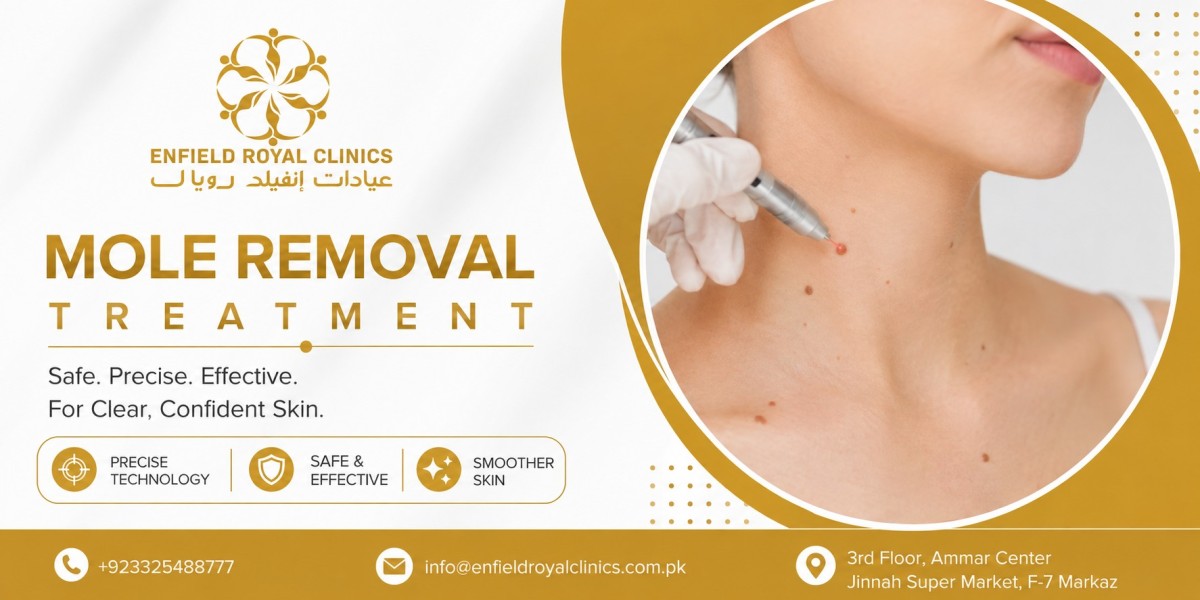

Moles are a natural part of the skin and can appear anywhere on the body. While most moles are harmless, some people choose to remove them because they affect appearance, become irritated by clothing, or show noticeable changes over time. One of the most common concerns patients have before undergoing the procedure is whether Mole Removal Treatment is safe.
The good news is that modern mole removal procedures are considered safe when performed by a qualified dermatologist or skin specialist. Advances in medical technology and improved treatment techniques have made the process more precise, comfortable, and effective than ever before. A professional evaluation before treatment helps ensure the safest approach based on your skin type and the characteristics of the mole.
Why Safety Starts with a Professional Assessment
Every mole is unique, which is why a thorough consultation is an essential part of the treatment process. Before recommending removal, the specialist carefully examines the mole's size, color, shape, texture, and location.
During the consultation, your doctor may evaluate:
- Whether the mole appears harmless
- If additional examination is needed
- Your medical history
- Skin type and healing ability
- The most appropriate removal method
This detailed assessment helps reduce risks and ensures the procedure is suitable for your individual needs.
How Mole Removal Treatment Is Performed Safely
Modern Mole Removal Treatment follows strict medical standards designed to protect both the patient and the surrounding skin.
The treatment area is cleaned thoroughly before the procedure begins. A local anesthetic is usually applied to numb the skin, allowing the treatment to be performed with minimal discomfort.
Depending on the type of mole, the specialist selects the most suitable removal technique. Throughout the procedure, sterile equipment and precise techniques help minimize complications and support faster healing.
Because every treatment is customized, patients receive care that is both effective and safe.
Common Methods Used
Several professional techniques are available, and each has an excellent safety record when performed by experienced practitioners.
Laser Removal
Laser treatment is commonly used for small, flat, and non-cancerous moles. Concentrated laser energy targets pigmented cells while minimizing damage to surrounding healthy tissue.
The precision of laser technology often results in less bleeding and a shorter recovery period.
Surgical Excision
Larger or deeper moles may require surgical excision. During this procedure, the mole is completely removed along with a small margin of surrounding tissue.
If necessary, stitches are placed to support proper healing and reduce the chance of recurrence.
Shave Removal
Raised moles can often be removed using a shave technique. The mole is carefully shaved down to skin level without making a deep incision.
This method is suitable for selected cases and usually involves minimal downtime.
Is the Procedure Painful?
One of the reasons many people delay treatment is fear of pain. Fortunately, modern techniques are designed to maximize patient comfort.
Before the procedure begins, the treatment area is numbed using a local anesthetic. Most patients only feel slight pressure during the removal process.
After treatment, mild tenderness or soreness may occur, but this generally improves within a few days and can usually be managed with simple aftercare.
Are There Any Risks?
Although Mole Removal Treatment is considered safe, every medical procedure carries some level of risk.
Possible temporary side effects include:
- Mild redness
- Slight swelling
- Temporary discomfort
- Minor bleeding
- Small scars
- Temporary skin discoloration
These effects are generally mild and improve as the skin heals. Serious complications are uncommon when treatment is performed by a qualified professional.
Who Is a Good Candidate?
Many healthy adults are suitable candidates for mole removal. Treatment may be recommended for individuals who:
- Have moles affecting their appearance
- Experience irritation from shaving or clothing
- Want smoother skin
- Have raised or uncomfortable moles
- Notice changes in the appearance of a mole
People with suspicious or changing moles should always seek medical evaluation before deciding on cosmetic removal.
How to Reduce the Risk of Complications
Patients can play an important role in ensuring a smooth recovery by following their specialist's instructions.
Helpful tips include:
- Keep the treated area clean.
- Avoid scratching or picking the healing skin.
- Protect the area from direct sunlight.
- Apply medications or ointments as directed.
- Attend follow-up appointments if recommended.
Proper aftercare significantly lowers the risk of infection and supports better cosmetic healing.
Benefits of Choosing Professional Treatment
Professional care offers far greater safety than attempting home remedies or self-removal methods.
Some advantages include:
- Accurate diagnosis before removal
- Safe and sterile treatment environment
- Personalized treatment planning
- Modern medical equipment
- Lower risk of infection
- Better cosmetic results
- Expert guidance throughout recovery
Choosing an experienced clinic provides reassurance that the procedure is being performed according to established medical standards.
What Happens During Recovery?
Recovery is usually simple and straightforward. Most patients can return to normal daily activities shortly after treatment, depending on the removal method used.
Small wounds generally heal within one to two weeks, while surgical excision may require a slightly longer healing period.
Protecting the healing skin from excessive sun exposure and following aftercare recommendations can help minimize visible scarring and improve overall results.
Long-Term Results
Once a mole has been professionally removed, the treated area usually heals well. In many cases, the mole does not return, particularly when it has been completely removed.
Patients should continue performing regular skin checks and consult a healthcare professional if they notice any new or changing moles in the future. Early evaluation remains an important part of maintaining healthy skin.
Conclusion
Mole Removal Treatment is a safe and reliable procedure when performed by an experienced skin specialist using modern medical techniques. Professional evaluation, careful treatment planning, and proper aftercare all contribute to excellent outcomes with minimal risk. Whether you are removing a mole for cosmetic reasons or medical concerns, choosing qualified care ensures that the procedure is carried out safely while protecting the health and appearance of your skin. With the right approach, patients can enjoy smoother skin, greater confidence, and peace of mind.