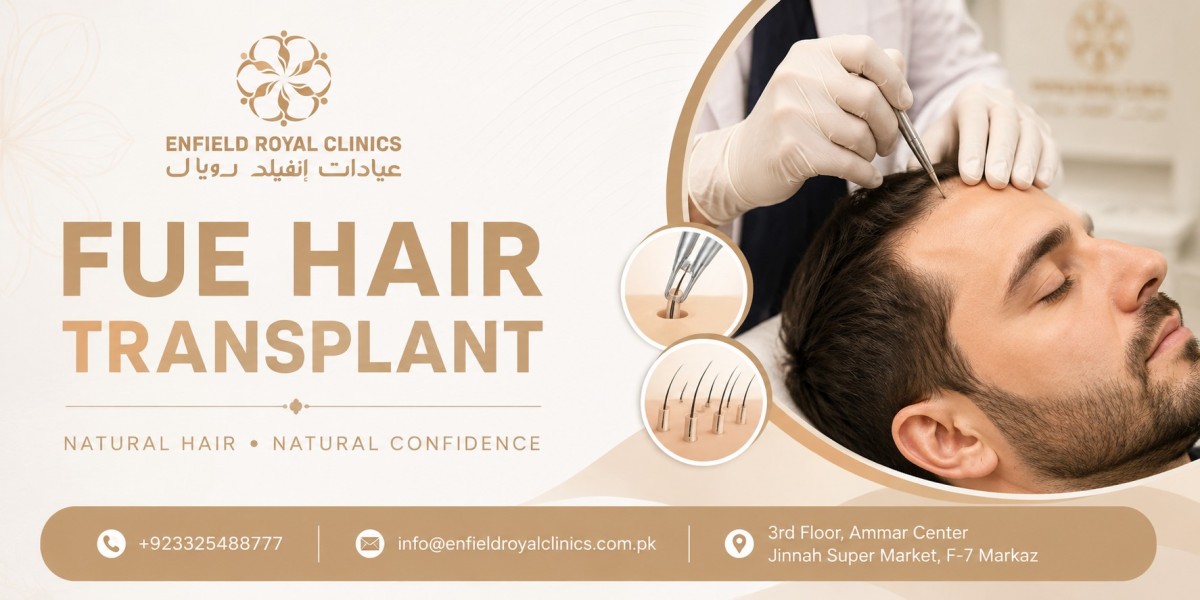

A successful hair restoration journey does not end after the procedure. The recovery period plays an important role in protecting newly implanted follicles and ensuring healthy hair growth. Following proper aftercare instructions can significantly improve the overall outcome and help avoid unnecessary complications.
FUE Hair Transplant is a minimally invasive procedure that restores hair by transferring healthy follicles from a donor area to areas affected by thinning or baldness. Although the technique is advanced and has a comfortable recovery process, patients need to be careful during the healing phase. Certain activities, habits, and products should be avoided to protect the transplanted follicles.
Avoid Touching or Scratching the Scalp
After the procedure, the scalp may feel sensitive, itchy, or slightly uncomfortable. However, touching, rubbing, or scratching the treated area can damage newly implanted follicles.
The transplanted grafts need time to properly settle into the scalp. Excessive touching may disturb their position and affect the final results. If itching becomes uncomfortable, follow the advice provided by your specialist instead of scratching the scalp.
Avoid Washing Your Hair Incorrectly
Keeping the scalp clean is important after a transplant, but improper washing can affect healing. Patients should avoid aggressive rubbing, strong water pressure, or harsh movements while cleaning the scalp.
Your specialist will usually provide specific instructions about when and how to wash your hair. Using recommended techniques helps remove buildup while protecting delicate follicles during the early recovery period.
Avoid Strenuous Exercise
Heavy physical activities and intense workouts should generally be avoided for a certain period after treatment. Excessive sweating can irritate the scalp and increase the risk of infection.
Activities such as:
- Weightlifting
- Running
- High-intensity workouts
- Sports involving physical contact
may need to be paused until the scalp has healed sufficiently. Light activities may be allowed depending on your recovery progress and specialist recommendations.
Avoid Direct Sun Exposure
The scalp can become more sensitive after a hair transplant, making it more vulnerable to sunlight. Direct exposure to strong sunlight may irritate the treated area and slow down the healing process.
Patients should protect their scalp by:
- Wearing loose and comfortable head protection if advised
- Avoiding long periods outdoors in intense sunlight
- Following clinic recommendations regarding sun exposure
Proper protection helps maintain a healthy environment for newly transplanted follicles.
Avoid Smoking and Excessive Alcohol
Lifestyle habits can influence the healing process. Smoking reduces blood circulation, which may affect the supply of oxygen and nutrients needed for recovery.
Excessive alcohol consumption can also interfere with healing and may increase swelling or dehydration. Avoiding these habits after the procedure supports better recovery and healthier hair growth.
Avoid Using Harsh Hair Products
After treatment, the scalp needs gentle care. Strong shampoos, chemical treatments, hair dyes, and styling products may irritate the scalp during the healing stage.
Patients should avoid:
- Hair gels and sprays
- Chemical treatments
- Strong hair dyes
- Products containing harsh ingredients
Only use products recommended by your specialist until the scalp has fully recovered.
Avoid Wearing Tight Headwear
Tight hats, caps, or helmets can put pressure on the transplanted area and may cause irritation. During the early recovery period, it is better to avoid anything that creates friction or pressure on the scalp.
If head protection is necessary, choose loose and comfortable options that do not disturb the healing follicles.
Avoid Sleeping Incorrectly
The way you sleep after a FUE Hair Transplant can affect comfort and healing. Sleeping directly on the treated area may create unnecessary pressure.
Patients are often advised to:
- Sleep with the head slightly elevated
- Avoid pressing the scalp against pillows
- Follow specific sleeping instructions from their clinic
Proper sleeping habits can help reduce swelling and protect the transplanted follicles.
Avoid Unnecessary Stress
Stress can affect overall health and may influence the natural hair growth cycle. While some level of concern after a procedure is normal, excessive stress can make the recovery experience more difficult.
Practicing relaxation techniques, maintaining a healthy routine, and following aftercare instructions can help create better conditions for recovery.
Avoid Missing Follow-Up Appointments
Follow-up visits allow your specialist to monitor healing and check the progress of hair growth. Skipping these appointments may prevent early identification of any concerns.
During follow-ups, the clinic can provide guidance about:
- Scalp healing
- Hair growth progress
- Long-term hair care
- Additional treatments if needed
Regular monitoring helps ensure that the recovery process is moving in the right direction.
How Long Should You Follow These Precautions?
The recovery timeline varies from person to person. The first few weeks are usually the most important because the transplanted follicles are still becoming secure.
Over time, patients can gradually return to normal activities based on their healing progress and professional advice. Following precautions during the early stages provides better protection and supports successful results.
Conclusion
Knowing what to avoid after FUE Hair Transplant is essential for protecting newly transplanted follicles and achieving the best possible outcome. Avoiding scalp irritation, excessive exercise, direct sunlight, harsh products, and unhealthy habits can support proper healing.