
Anxiety is one of the most common mental health challenges affecting millions of people worldwide. While occasional anxiety is a normal response to stress, feeling anxious all the time can interfere with your daily life, relationships, work, and sleep. If you constantly feel worried, restless, or overwhelmed, your mind may be trying to tell you something important.
Understanding the root causes of anxiety and learning how to manage it can help you regain control and improve your overall well-being. In this guide, we’ll explore why anxiety happens, its connection with Sleep Disorders, available treatment options, and practical ways to feel calmer every day.
What Is Anxiety?
Anxiety is your body's natural reaction to stress or perceived danger. It activates the "fight-or-flight" response, preparing you to face a threat. However, when anxiety becomes persistent or excessive, it may indicate an anxiety disorder.
Common symptoms include:
- Constant worrying
- Racing thoughts
- Irritability
- Difficulty concentrating
- Muscle tension
- Increased heart rate
- Restlessness
- Fatigue
- Trouble sleeping
Many people dismiss these symptoms as everyday stress, but chronic anxiety can significantly impact mental and physical health if left untreated.
Why Do You Feel Anxious All the Time?
1. Your Mind Is Warning You About Unresolved Stress
Continuous anxiety often signals unresolved stress from work, finances, relationships, or personal challenges. When stress accumulates without healthy coping mechanisms, your brain remains in a heightened state of alertness.
2. Negative Thought Patterns
Overthinking and catastrophizing can trap your mind in a cycle of fear. You may constantly anticipate worst-case scenarios, making anxiety feel impossible to escape.
3. Lack of Quality Sleep
Poor sleep and anxiety have a strong two-way relationship. Anxiety can keep you awake at night, while insufficient sleep increases emotional sensitivity and stress levels.
Many people experiencing Sleep Disorders report heightened anxiety symptoms during the day. Sleep deprivation affects brain regions responsible for emotional regulation, making it harder to manage stress effectively.
4. Lifestyle Factors
Several daily habits can contribute to chronic anxiety:
- Excessive caffeine consumption
- Alcohol misuse
- Lack of exercise
- Poor diet
- Excessive screen time
- Social isolation
Making small lifestyle changes can often lead to significant improvements in anxiety management.
5. Underlying Mental Health Conditions
Persistent anxiety may be linked to:
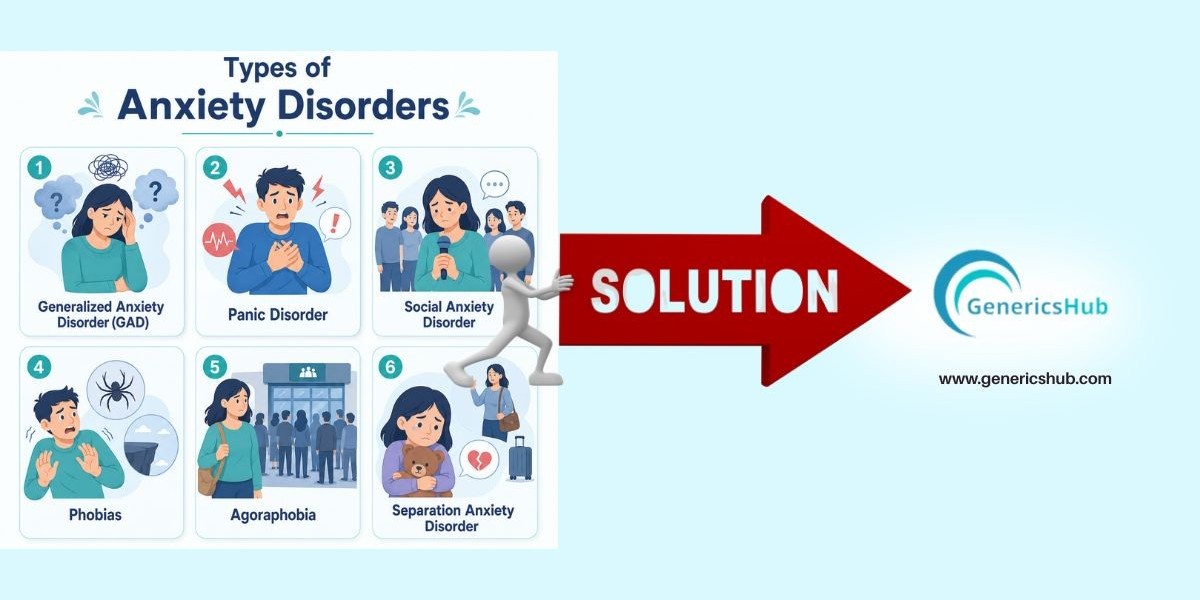
- Generalized Anxiety Disorder (GAD)
- Panic Disorder
- Social Anxiety Disorder
- Depression
- Post-Traumatic Stress Disorder (PTSD)
Professional evaluation can help determine the underlying cause and appropriate treatment.
The Strong Connection Between Anxiety and Sleep Disorders
One of the clearest signs that anxiety is affecting your life is disrupted sleep. Individuals with anxiety often struggle with:
- Difficulty falling asleep
- Frequent nighttime awakenings
- Restless sleep
- Nightmares
- Early morning waking
Over time, chronic sleep problems may develop into diagnosed Sleep Disorders such as insomnia.
When you don't get enough restorative sleep, your brain becomes more reactive to stress. This creates a vicious cycle:
Anxiety → Poor Sleep → Increased Anxiety → Worse Sleep
Breaking this cycle is often a critical step toward recovery.
Signs Your Anxiety May Need Professional Attention
Consider seeking professional help if you experience:
- Anxiety lasting more than six months
- Frequent panic attacks
- Difficulty performing daily tasks
- Social withdrawal
- Persistent insomnia
- Physical symptoms without a clear medical cause
Early intervention can prevent symptoms from worsening and improve long-term outcomes.
Effective Treatment Options for Anxiety
Therapy
Cognitive Behavioral Therapy (CBT) remains one of the most effective treatments for anxiety disorders. CBT helps identify and challenge negative thought patterns while developing healthier coping strategies.
Medication
Healthcare professionals may prescribe medications for moderate to severe anxiety.
Some commonly prescribed options include:
Nexito LS
Nexito LS is often prescribed for anxiety-related conditions. It combines an antidepressant with an anti-anxiety component, helping reduce excessive worry, nervousness, and associated symptoms. Patients should always use it under medical supervision and follow their healthcare provider's guidance.
Fluxican 60 Mg
Fluxican 60 Mg contains fluoxetine, a medication commonly used to treat anxiety disorders, depression, and obsessive-compulsive disorder. It works by increasing serotonin levels in the brain, helping improve mood and emotional stability over time.
Like all prescription medications, Fluxican 60 Mg should only be taken under the direction of a qualified healthcare professional.
Lifestyle-Based Treatments
Many people experience substantial improvements by incorporating healthy habits into their routine:
- Regular exercise
- Mindfulness meditation
- Deep breathing techniques
- Limiting caffeine intake
- Maintaining consistent sleep schedules
- Spending time outdoors
These approaches can complement therapy and medication for better overall results.
Can Modafinil Help with Anxiety-Related Fatigue?
People experiencing chronic anxiety often feel mentally exhausted due to constant worry and poor sleep. Some individuals explore wakefulness-promoting medications such as Modafinil to combat daytime fatigue.
Modafinil is primarily prescribed for certain sleep-related conditions and excessive daytime sleepiness. While it may improve alertness, it is not considered a primary treatment for anxiety. In some cases, stimulatory effects may even worsen anxiety symptoms.
Always consult a healthcare professional before using Modafinil or any medication to address anxiety-related fatigue.
Practical Ways to Calm an Anxious Mind
Practice the 5-4-3-2-1 Grounding Technique
When anxiety spikes:
- Name 5 things you see
- Name 4 things you can touch
- Name 3 things you hear
- Name 2 things you smell
- Name 1 thing you taste
This method helps bring attention back to the present moment.
Create a Sleep-Friendly Routine
To improve sleep quality:
- Go to bed at the same time every night
- Avoid screens before bedtime
- Keep your bedroom cool and dark
- Limit caffeine after midday
Better sleep often leads to reduced anxiety symptoms.
Challenge Negative Thoughts
Ask yourself:
- Is this thought based on facts?
- What evidence supports it?
- What would I tell a friend in this situation?
These questions help break anxious thinking patterns.
Stay Physically Active
Exercise releases endorphins and reduces stress hormones, making it one of the most effective natural anxiety management tools.
Shopping for Anxiety and Sleep Support Globally
Many individuals seek convenient access to medications prescribed for anxiety, depression, and sleep-related concerns. At genericshub, customers from countries including the United Kingdom, United States, Australia, and Canada can explore a wide range of healthcare products through an accessible online platform. Whether you're looking for treatments related to anxiety management, Sleep Disorders, or other health conditions, genericshub aims to provide reliable access while encouraging responsible use under professional medical guidance.
When Anxiety Is Actually a Message
Sometimes anxiety is not the problem itself—it is a signal.
Your mind may be telling you:
- You are overwhelmed.
- You need more rest.
- A situation requires attention.
- Your current lifestyle is unsustainable.
- Emotional needs are being neglected.
Instead of fighting anxiety, try listening to what it may be communicating. Understanding the message behind your anxiety can be the first step toward healing.
Conclusion
Feeling anxious all the time can be exhausting, but it doesn't mean you're powerless. Anxiety often reflects a combination of stress, thought patterns, lifestyle habits, and sleep quality. The close connection between anxiety and Sleep Disorders makes proper rest an essential part of recovery.
Treatment options such as therapy, lifestyle changes, and medications like Nexito LS or Fluxican 60 Mg may help when recommended by a healthcare professional. While Modafinil may assist with certain sleep-related issues, it is not a direct treatment for anxiety.
By recognizing your symptoms early, improving sleep habits, and seeking appropriate support, you can break the cycle of chronic anxiety and move toward a healthier, more balanced life.
FAQs
Why do I feel anxious all the time for no reason?
There is usually an underlying cause, such as chronic stress, poor sleep, negative thought patterns, or an anxiety disorder. A mental health professional can help identify the root cause.
Can Sleep Disorders make anxiety worse?
Yes. Poor sleep can increase emotional reactivity and stress, creating a cycle that worsens anxiety symptoms.
Is Nexito LS used for anxiety?
Yes. Nexito LS is commonly prescribed for anxiety-related conditions, but it should only be used under medical supervision.
What is Fluxican 60 Mg used for?
Fluxican 60 Mg contains fluoxetine and is commonly prescribed for depression, anxiety disorders, and obsessive-compulsive disorder.
Does Modafinil reduce anxiety?
Modafinil is primarily used for sleep-related conditions and wakefulness. It is not considered a standard treatment for anxiety and may not be suitable for everyone.
Can lifestyle changes really help anxiety?
Absolutely. Regular exercise, healthy sleep habits, mindfulness practices, and stress management techniques can significantly reduce anxiety symptoms over time.