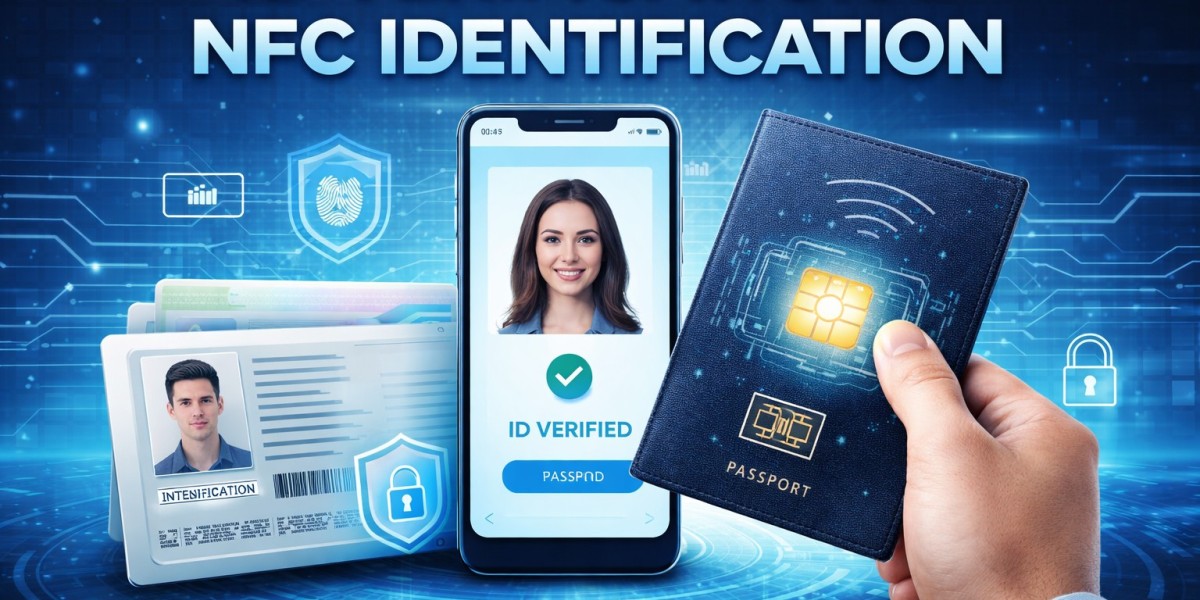

As digital onboarding becomes the standard across banking, fintech, healthcare, telecom, and government services, organizations must ensure that every identity verification process is secure and fraud-resistant. Cybercriminals are increasingly using spoofing attacks, fake identity documents, and AI-generated media to bypass traditional verification methods. This is where certified liveness detection and document liveness check play a vital role in protecting businesses and their customers.
What Is Certified Liveness Detection?
Certified liveness detection is an advanced biometric security technology that verifies whether a person presenting their face during identity verification is physically present. Unlike basic facial recognition, certified liveness detection can identify and block spoofing attempts such as printed photos, replayed videos, deepfakes, and digital screen attacks.
A certified solution is tested against globally recognized security standards, offering organizations greater confidence in their identity verification process. It ensures that only genuine users can complete onboarding while reducing the risk of identity fraud.
Understanding Document Liveness Check
A document liveness check confirms that the identity document being scanned is an original, physical document rather than a digital copy, screenshot, or manipulated image. The technology analyzes security features, reflections, textures, holograms, and document quality to determine authenticity.
By verifying that the document is physically present during the verification session, organizations can prevent fraudsters from using forged or stolen digital copies of passports, driver's licenses, or national identity cards.
Why Businesses Need Both Technologies
Using certified liveness detection without validating the authenticity of identity documents leaves security gaps. Similarly, document verification alone cannot confirm that the person presenting the document is its legitimate owner.
Combining both technologies creates a comprehensive identity verification workflow that:
- Prevents identity theft and account takeover
- Detects spoofing and presentation attacks
- Blocks fake or manipulated identity documents
- Enhances regulatory compliance for KYC and AML
- Improves customer trust with secure onboarding
- Reduces manual verification efforts and operational costs
This layered approach significantly strengthens digital identity verification across industries.
Industry Applications
Certified liveness detection and document liveness checks are widely used across sectors requiring secure customer verification, including:
- Banking and financial services
- FinTech platforms
- Cryptocurrency exchanges
- Insurance providers
- Healthcare organizations
- Government digital services
- Telecommunications
- Online marketplaces
These industries rely on robust identity verification to reduce fraud while delivering a seamless customer experience.
Choosing the Right Identity Verification Solution
When selecting a liveness detection platform, organizations should look for solutions that offer certified biometric security, AI-powered fraud detection, fast processing, and easy integration with existing applications. Support for multiple identity documents, real-time verification, and global compliance standards are also essential features.
A modern identity verification platform should continuously evolve to defend against emerging threats such as AI-generated deepfakes and sophisticated presentation attacks.
Conclusion
As identity fraud continues to evolve, businesses must adopt stronger verification technologies to stay protected. Combining certified liveness detection with a document liveness check creates a powerful defense against spoofing, forged documents, and digital identity fraud. Organizations that invest in these advanced verification methods can improve security, maintain regulatory compliance, and provide customers with a safe and seamless digital onboarding experience.