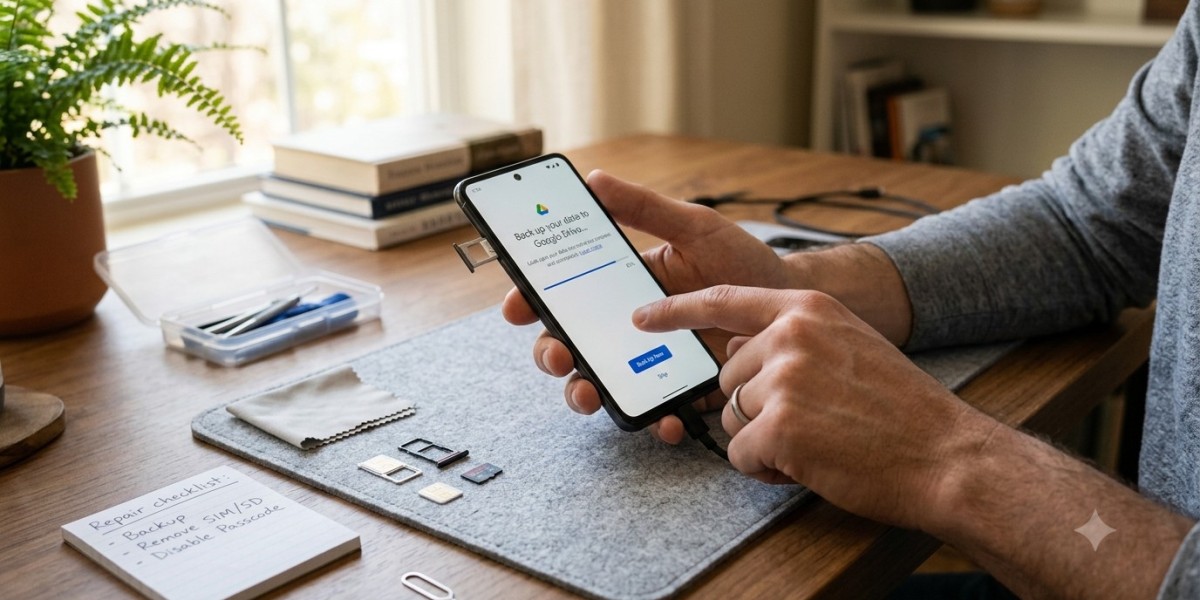

Smartphones have become an essential part of modern life. We use them for communication, work, banking, entertainment, navigation, photography, and storing important personal information. When a phone develops a problem, taking it to a professional repair shop is often the best way to restore its performance. However, before handing your device to a technician, there are several important steps you should take to protect your data, improve the repair process, and make sure your phone is ready for service. Proper preparation can make your repair experience easier and help prevent unnecessary complications. If you are looking for reliable cell phone repair El Paso, preparing your smartphone properly before your appointment can make the entire process more efficient.
Whether you need a screen replacement, battery service, charging port repair, or another type of repair, taking a few minutes to prepare your device is worthwhile. Customers seeking iphone repair El Paso, iphone screen repair El Paso, or samsung phone repair El Paso can benefit from following a simple preparation checklist. In this guide, we'll explain everything you should do before taking your smartphone to a professional repair shop.
Back Up Your Important Data
One of the most important things to do before a phone repair is back up your data.
Your smartphone may contain:
- Photos and videos
- Contacts
- Text messages
- Documents
- Notes
- Calendar information
- App data
- Important work files
Although professional technicians generally take precautions while repairing devices, unexpected hardware problems can sometimes occur during service. A recent backup ensures your important information remains protected.
For iPhone users, iCloud or a computer backup can be used. Android users can use Google backup services or another trusted backup solution.
Make sure the backup has completed successfully before taking your phone to the repair shop.
Save Important Passwords
Before giving your phone to a technician, make sure you can access important accounts from another device.
Consider checking your:
- Apple ID
- Google account
- Email accounts
- Banking apps
- Social media accounts
- Password manager
- Two-factor authentication methods
Some repairs may require your phone to restart or reset. Having your account credentials available can make the setup process much easier if necessary.
Remove Your SIM Card
If your phone uses a physical SIM card, consider removing it before handing the device over for repair.
Your SIM card may contain important cellular information, and removing it gives you additional control over your personal data.
Store the SIM card safely until the repair is complete.
If your device uses an eSIM, ask the repair technician whether any special preparation is required before service.
Remove Your Memory Card
Some Android smartphones support removable microSD cards.
If your phone has one, remove it before repair when practical.
Memory cards may contain:
- Photos
- Videos
- Documents
- Music
- Other personal files
Keeping the card with you ensures your data remains separate from the device being serviced.
Disable Device Tracking When Required
Certain repairs may require disabling device tracking features.
For example, Apple's Find My feature may need to be disabled before certain iPhone repairs or service procedures.
If a technician asks you to disable a security feature, verify why it is necessary and follow the shop's instructions.
Never share your account password unnecessarily. Instead, enter sensitive credentials yourself whenever possible.
Remove Your Phone Case
Take off your protective case before bringing your phone to the repair shop.
This allows technicians to inspect the device more easily for:
- Frame damage
- Cracks
- Dents
- Back glass damage
- Signs of water exposure
Removing the case also makes it easier to identify whether the damage extends beyond the screen.
You can keep the case with you and reinstall it after the repair is completed.
Clean the Exterior of the Phone
Before taking your phone for repair, gently clean the exterior with a suitable microfiber cloth.
Remove:
- Dust
- Fingerprints
- Dirt
- Surface debris
Avoid spraying cleaning liquids directly onto the phone, especially if the device has a cracked screen or damaged housing.
A clean device makes it easier for technicians to inspect existing damage.
Note Existing Damage
Before handing over your phone, take a few photographs of the device.
Capture images of:
- Front screen
- Back panel
- Side frame
- Camera area
- Charging port
- Any existing cracks or dents
This creates a simple record of the phone's condition before repair.
It can also help you remember which problems were present before service.
Write Down the Problems You're Experiencing
Don't rely entirely on memory when explaining the issue.
Make a quick list of your phone's symptoms.
For example:
- Battery drains quickly.
- Screen flickers.
- Phone doesn't charge consistently.
- Speaker sounds distorted.
- Camera won't focus.
- Device randomly restarts.
- Touchscreen has dead areas.
Providing specific information helps technicians diagnose the problem more efficiently.
Record When the Problem Started
Try to remember when you first noticed the issue.
For example, you might explain:
"The charging problem started three days ago after the phone was dropped."
Or:
"The screen began flickering after the device was exposed to water."
Details about when and how the problem occurred can provide valuable clues during diagnosis.
Avoid Charging a Water-Damaged Phone
If your phone has recently been exposed to water, avoid charging it before taking it for repair.
Connecting power to a wet device can increase the risk of electrical damage.
Instead:
- Turn the phone off.
- Dry the exterior.
- Avoid using heat.
- Take it to a professional technician as soon as possible.
Fast professional attention can improve the chances of preventing further damage.
Don't Attempt a DIY Repair First
Trying to fix the phone yourself before taking it to a professional may create additional problems.
Opening a smartphone without proper tools can damage:
- Display cables
- Battery connectors
- Cameras
- Speakers
- Internal seals
- Motherboard components
If you're unsure about the problem, professional diagnosis is usually the safer choice.
Charge the Phone If It Is Safe to Do So
If the device is functioning normally and has no water exposure or serious battery issue, having some battery charge can help technicians perform diagnostic tests.
However, don't force the phone to charge if:
- The battery is swollen.
- The device becomes extremely hot.
- The charging port is damaged.
- The phone was recently exposed to liquid.
Safety should always come first.
Check Your Warranty and Repair Coverage
Before paying for a repair, check whether your phone is still covered by a manufacturer's warranty, protection plan, or insurance.
Review:
- Warranty expiration
- Accidental damage coverage
- Repair deductibles
- Service limitations
- Authorized repair requirements
Knowing your coverage can help you make a more informed decision.
Ask About the Repair Process
Before approving service, ask the repair shop a few important questions.
You may want to know:
- What is causing the problem?
- Which component needs replacement?
- What type of replacement part will be used?
- How long will the repair take?
- Is there a warranty?
- Will my data remain intact?
Clear communication helps prevent misunderstandings.
Don't Give Away Your Passcode Unnecessarily
Your phone may contain highly sensitive information.
Whenever possible, avoid sharing your personal passcode unless it is genuinely required for testing.
If a technician needs access to test the device, ask whether you can enter the passcode yourself or remain present during testing.
Professional repair shops should respect customer privacy.
Sign Out of Sensitive Applications When Appropriate
Depending on the repair and your comfort level, you may choose to sign out of particularly sensitive applications.
These might include:
- Banking apps
- Payment services
- Private email
- Business applications
However, make sure you know your login credentials before signing out.
Prepare for a Possible Factory Reset
Most repairs don't require a factory reset, but certain software or serious hardware issues may make one necessary.
This is another reason why a complete backup is essential.
Before repair, ask whether there is any possibility that the device may need to be reset.
Bring Necessary Accessories
In some situations, bringing the relevant accessory can help technicians diagnose the issue.
For charging problems, for example, you may want to bring:
- Charging cable
- Power adapter
- Wireless charger, if applicable
If the problem is related to charging, testing your accessories can help determine whether the phone or charger is responsible.
Keep Proof of Purchase When Available
For warranty claims or certain repair services, proof of purchase may be useful.
Keep records such as:
- Original receipt
- Order confirmation
- Warranty information
- Device purchase documentation
This can make the service process smoother.
What to Do After Preparing Your Phone
Once you've backed up your data, removed accessories, documented the damage, and noted the symptoms, your phone is ready for professional inspection.
Choose a repair provider with:
- Experienced technicians
- Quality replacement parts
- Transparent pricing
- Clear warranty policies
- Professional diagnostic equipment
- Positive customer feedback
A reputable repair shop should explain the problem and recommended solution before beginning major work.
Benefits of Proper Phone Preparation
Preparing your phone before repair offers several advantages.
It helps:
- Protect your personal data.
- Speed up the diagnostic process.
- Reduce confusion about the problem.
- Document existing damage.
- Protect sensitive information.
- Make communication with technicians easier.
- Prepare you for possible repair requirements.
A few minutes of preparation can make the repair experience significantly smoother.
Conclusion
Preparing your smartphone before taking it for repair is an important step that shouldn't be overlooked. Backing up your data, removing your SIM and memory cards, documenting existing damage, writing down the symptoms, checking warranty coverage, and protecting your personal information can make the repair process safer and more efficient. You should also avoid DIY repairs, especially when dealing with water damage, battery problems, or serious hardware issues.
If your smartphone needs professional attention, reliable cell phone repair El Paso services can diagnose the problem and recommend the right solution. Whether you need professional iphone repair El Paso, dependable iphone screen repair El Paso, or expert samsung phone repair El Paso, Your SmartPhone Solutions provides experienced technicians, quality replacement parts, and professional repair services designed to restore your device while protecting your valuable investment.