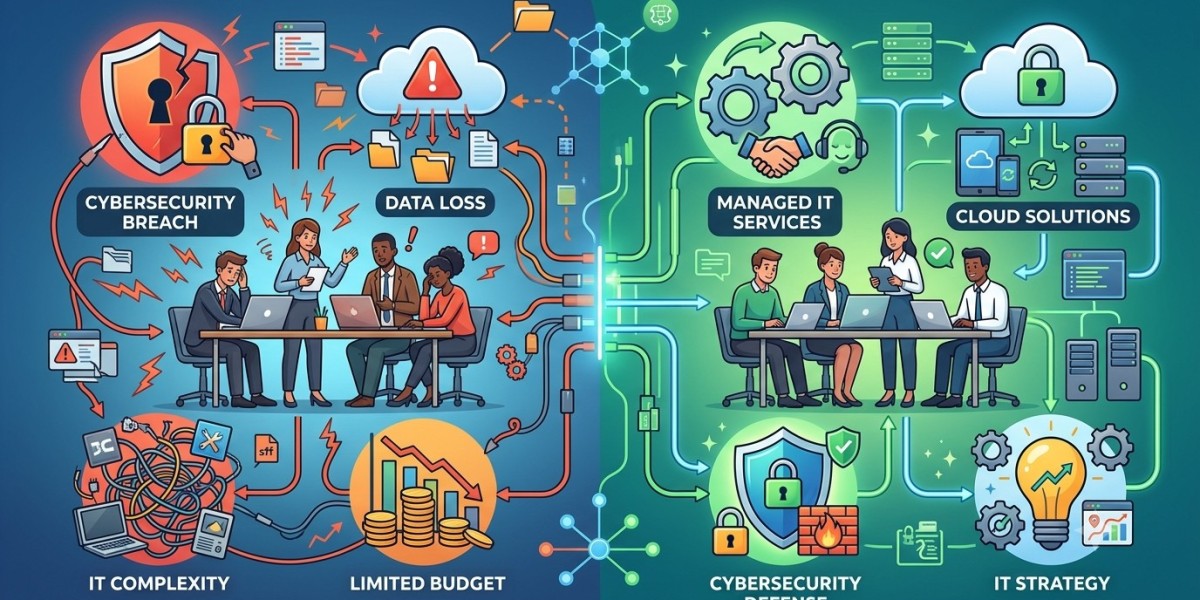

Technology has become an essential part of almost every business. Small companies rely on computers, networks, cloud applications, email, communication platforms, and digital data to manage daily operations. While technology creates opportunities for growth and efficiency, it can also introduce challenges that affect productivity, security, and profitability.
Many organizations experience small business IT challenges as their technology environment becomes more complex. Limited budgets, cybersecurity threats, outdated equipment, network problems, and a lack of technical expertise can make it difficult to maintain a reliable IT infrastructure. The good news is that most of these challenges can be addressed with proper planning, proactive maintenance, and professional support.
For businesses seeking dependable Business IT Support Albany, NY, having an experienced technology partner can make a significant difference. Precision Fix provides managed IT services, cybersecurity, network support, data backup, and proactive technical assistance designed to help small businesses overcome technology challenges and operate more efficiently.
1. Cybersecurity Threats
Cybersecurity is one of the biggest challenges facing small businesses today. Cybercriminals frequently target organizations through phishing emails, malware, ransomware, stolen passwords, and unauthorized access.
Small businesses can be attractive targets because they may have valuable customer information but limited security resources.
How to Solve It
Businesses should implement multiple layers of protection, including:
- Multi-Factor Authentication (MFA)
- Business-grade firewalls
- Endpoint security
- Email filtering
- Regular security updates
- Strong password policies
- Employee cybersecurity training
Regular security assessments can also help identify vulnerabilities before attackers exploit them.
2. Limited IT Budgets
Small businesses often operate with limited technology budgets. Purchasing hardware, software, security tools, and professional IT services can seem expensive, especially when compared with larger organizations.
However, avoiding necessary IT investments can ultimately cost more through downtime, data loss, security incidents, and emergency repairs.
How to Solve It
Businesses should prioritize technology investments based on risk and business value. Cloud services, managed IT services, and subscription-based software can help reduce large upfront expenses.
Creating an annual IT budget also makes it easier to plan for equipment replacements, software licensing, cybersecurity, and future upgrades.
3. Outdated Hardware and Software
Using outdated computers, operating systems, servers, and applications can create performance and security problems.
Older systems may:
- Run slowly
- Crash frequently
- Lack modern security features
- Become incompatible with newer software
- Increase maintenance costs
How to Solve It
Businesses should establish a technology lifecycle plan. Regularly monitor equipment health and replace aging hardware before it fails.
Software should also be patched and updated regularly to address security vulnerabilities and improve performance.
4. Data Loss and Inadequate Backups
Business data is one of an organization's most valuable assets. Accidental deletion, hardware failure, ransomware, or other incidents can result in significant data loss.
Unfortunately, some businesses assume that having files stored on a computer or server is enough protection.
How to Solve It
A reliable backup strategy should include automated backups and secure off-site storage.
Businesses can follow the 3-2-1 backup approach:
- Three copies of important data
- Two different storage types
- One copy stored off-site or in the cloud
Backups should also be tested regularly to make sure files can actually be restored when needed.
5. Network Performance Problems
A slow or unreliable network can affect nearly every part of a business. Employees may experience slow internet connections, dropped connections, poor Wi-Fi coverage, or difficulty accessing shared applications.
These problems can quickly reduce productivity.
How to Solve It
Businesses should regularly monitor network performance and identify bottlenecks.
Solutions may include:
- Upgrading routers and switches
- Improving Wi-Fi coverage
- Updating network firmware
- Optimizing bandwidth usage
- Replacing outdated equipment
- Separating business and guest networks
Professional network assessments can help identify the root cause of recurring connectivity issues.
6. Lack of In-House IT Expertise
Many small businesses do not have a full-time IT department. Employees may be responsible for troubleshooting computers or solving technical problems even though IT is not their primary responsibility.
This can lead to wasted time and unresolved issues.
How to Solve It
Outsourcing IT management allows small businesses to access experienced professionals without the expense of maintaining a large internal IT department.
Managed IT services can provide:
- Help desk support
- Remote troubleshooting
- Network management
- Cybersecurity
- Cloud support
- System monitoring
- IT consulting
This gives employees more time to focus on their actual responsibilities.
7. Managing Cloud Services
Cloud computing has made business technology more flexible, but managing multiple cloud platforms can become complicated.
Businesses may rely on Microsoft 365, cloud storage, accounting applications, customer management systems, and other online services.
How to Solve It
Businesses should establish clear cloud management policies. User permissions, security settings, licensing, and backups should be reviewed regularly.
Professional IT support can also help businesses manage cloud migrations, Microsoft 365 environments, user accounts, and cloud security.
8. Employee Cybersecurity Awareness
Employees are an important part of a company's cybersecurity strategy. Even strong technical security controls can be undermined by an employee who accidentally clicks a malicious link or shares sensitive information.
How to Solve It
Regular cybersecurity awareness training can help employees recognize:
- Phishing emails
- Suspicious attachments
- Fake login pages
- Social engineering attempts
- Unusual payment requests
Businesses should also establish clear procedures for reporting suspicious activity.
9. Unexpected Downtime
Technology failures can bring business operations to a halt. Server problems, internet outages, hardware failures, and cybersecurity incidents can prevent employees from accessing critical systems.
How to Solve It
Proactive IT monitoring can identify potential problems before they cause major disruptions.
Businesses should also maintain:
- Reliable data backups
- Disaster recovery procedures
- Backup internet connections where appropriate
- Hardware replacement plans
- Emergency communication procedures
Preparing for problems before they occur significantly improves business resilience.
10. Keeping Up with Technology Changes
Technology continues to evolve rapidly. Small businesses may struggle to determine which new technologies are actually useful and which are unnecessary expenses.
Artificial intelligence, cloud computing, cybersecurity tools, automation, and collaboration platforms can all create opportunities—but only when implemented strategically.
How to Solve It
Businesses should conduct regular technology assessments and align IT investments with specific business objectives.
An experienced IT provider can help evaluate new technologies, identify opportunities for automation, and develop a practical technology roadmap.
How Managed IT Services Help Solve IT Challenges
Many of these problems can be addressed through proactive managed IT services. Instead of waiting for technology to fail, managed service providers continuously monitor, maintain, and secure business systems.
A comprehensive managed IT plan may include:
- 24/7 system monitoring
- Help desk support
- Network management
- Cybersecurity protection
- Software patching
- Data backup
- Disaster recovery
- Cloud management
- Hardware maintenance
- IT consulting
This proactive approach helps reduce downtime, improve productivity, and make IT costs more predictable.
Businesses looking for reliable Business IT Support Albany, NY can work with Precision Fix for customized managed IT services, cybersecurity, network management, cloud support, and data backup solutions. Professional IT assistance allows small businesses to address technology problems before they become expensive disruptions.
Best Practices for Managing Small Business IT
Small businesses can strengthen their IT environment by following a few key practices:
- Keep all software and devices updated.
- Use Multi-Factor Authentication.
- Back up critical business data regularly.
- Train employees on cybersecurity.
- Replace aging hardware proactively.
- Monitor network performance.
- Review user permissions regularly.
- Create a disaster recovery plan.
- Schedule routine IT assessments.
- Partner with experienced IT professionals when necessary.
Consistent maintenance and proactive planning can prevent many common technology problems.
Frequently Asked Questions
What are the biggest IT challenges for small businesses?
Common challenges include cybersecurity threats, limited IT budgets, outdated technology, data loss, network problems, lack of IT expertise, and unexpected downtime.
How can small businesses improve cybersecurity?
Businesses can improve security by using MFA, firewalls, endpoint protection, regular software updates, secure backups, and employee cybersecurity training.
Are managed IT services worth it for small businesses?
Yes. Managed IT services provide access to professional expertise, proactive monitoring, cybersecurity protection, and technical support without requiring a large in-house IT department.
How often should businesses review their IT infrastructure?
Businesses should perform regular IT assessments and review their infrastructure at least annually, with more frequent monitoring for security, backups, and critical systems.
Final Thoughts
Small businesses face numerous technology challenges, but proactive planning can prevent many of them from becoming serious problems. From cybersecurity threats and outdated equipment to network performance, data protection, and limited IT expertise, addressing technology risks early can save businesses time, money, and unnecessary stress.
A reliable IT strategy combines regular maintenance, strong cybersecurity, secure backups, employee training, and professional support. If your business needs trusted Business IT Support Albany, NY, Precision Fix provides managed IT services, cybersecurity, network management, cloud solutions, data backup, and proactive technical support. With the right IT partner, small businesses can overcome technology challenges, improve efficiency, protect critical information, and build a stronger foundation for long-term growth.