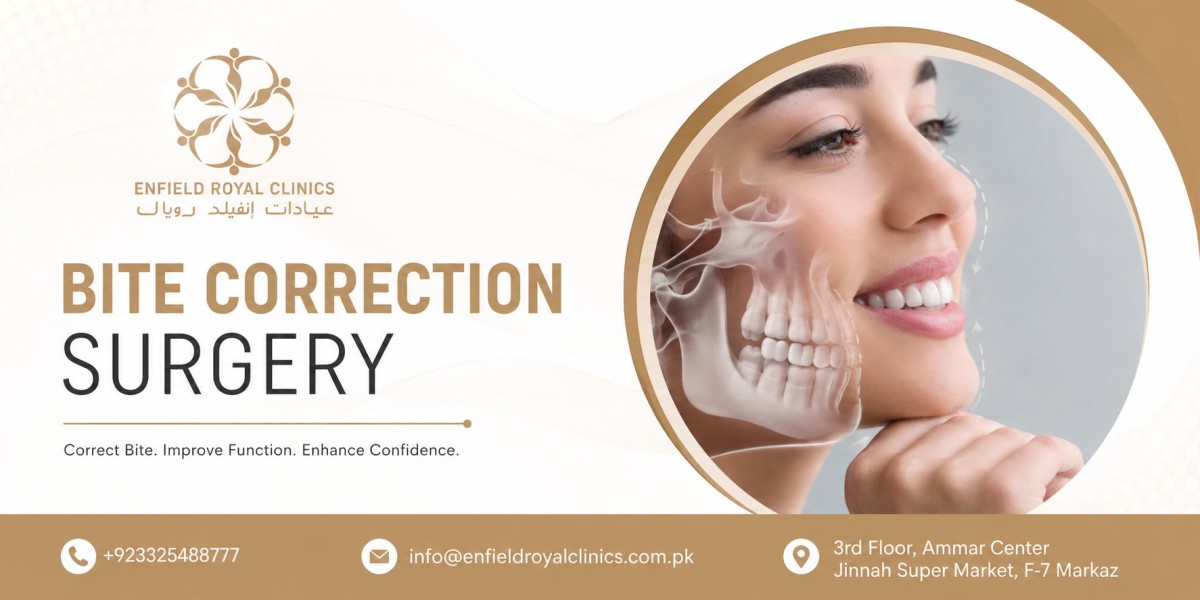

An open bite occurs when certain upper and lower teeth do not meet properly when the mouth is closed. Instead of coming together naturally, a visible gap may remain between the teeth. Depending on its severity and cause, an open bite can affect chewing, speech, oral function, and facial balance.
Some open bites can be corrected with orthodontic treatment, while more complex cases may be associated with the position of the jawbones. In these situations, Bite Correction Surgery may be considered to address the underlying skeletal problem and create a more functional relationship between the upper and lower jaws.
What Is an Open Bite?
An open bite is a type of malocclusion in which the upper and lower teeth fail to meet in a specific area when the mouth is closed.
An open bite can occur toward the front of the mouth, known as an anterior open bite, or toward the back, known as a posterior open bite. The condition can develop for different reasons, including dental habits, tooth positioning, jaw development, or a combination of factors.
The correct treatment depends on identifying the cause rather than treating only the visible gap.
Can Bite Correction Surgery Fix an Open Bite?
Yes, Bite Correction Surgery can be used to correct certain severe open bites, particularly when the condition is caused by significant skeletal jaw misalignment.
When the underlying problem involves the position or growth of the jaws, simply moving the teeth may not provide a stable long-term correction. Surgical treatment can reposition the affected jaw structures to improve the relationship between the upper and lower teeth.
However, surgery is not necessary for every open bite. Mild and moderate cases may often be managed with orthodontic treatment or other non-surgical approaches.
What Causes an Open Bite?
An open bite can have several possible causes. Some develop during childhood, while others are related to jaw growth or dental conditions.
Common contributing factors may include:
- Prolonged thumb sucking
- Extended pacifier use during childhood
- Tongue-thrusting habits
- Abnormal tooth eruption
- Skeletal jaw differences
- Certain growth patterns
- Missing or improperly positioned teeth
The cause and severity of the condition determine which treatment approach is most appropriate.
When Is Surgery Considered?
Surgical treatment may be considered when an open bite is primarily caused by a skeletal difference and cannot be adequately corrected with orthodontics alone.
A specialist may evaluate surgical options when a patient has:
- A severe skeletal open bite
- Significant jaw misalignment
- Difficulty chewing
- A persistent bite gap
- Facial imbalance related to jaw position
- An open bite that has not responded adequately to orthodontic treatment
A detailed dental and surgical evaluation is required before recommending Bite Correction Surgery.
How Does Surgery Correct an Open Bite?
During Bite Correction Surgery, the surgeon carefully repositions the jaw or jaws to improve their relationship. The exact surgical technique depends on whether the problem involves the upper jaw, lower jaw, or both.
Detailed imaging and treatment planning are performed before surgery to determine the desired jaw position.
Once the jaw has been repositioned, it is stabilized using appropriate fixation materials while the bone heals. The goal is to create a more stable relationship between the upper and lower teeth.
Orthodontic treatment may be used before and after surgery to fine-tune the tooth positions.
Are Braces Needed Before Surgery?
In many cases, orthodontic treatment is an important part of the overall treatment plan.
Braces or clear aligners may be used before surgery to prepare the teeth for the planned jaw movements. This can sometimes temporarily make the bite appear different before the surgical stage.
After surgery, orthodontic treatment may continue to make final adjustments and improve the way the teeth fit together.
The length of orthodontic treatment depends on the complexity of the open bite and the patient's individual dental alignment.
Can Surgery Improve Chewing?
One of the potential functional benefits of correcting a significant open bite is improved chewing.
When the teeth do not meet properly, patients may have difficulty biting through certain foods or distributing chewing forces effectively. Correcting the jaw relationship may allow more teeth to contact appropriately.
The degree of improvement depends on the original bite, dental condition, muscle function, and other individual factors.
Can It Improve Speech?
An open bite can sometimes influence speech because proper tongue and tooth positioning contribute to certain sounds.
Correcting the underlying bite problem may improve speech function in some patients. However, speech changes have multiple possible causes, so surgery should not be considered a guaranteed solution for every speech concern.
Patients with significant speech difficulties may benefit from assessment by an appropriate healthcare professional.
Does Surgery Change Facial Appearance?
The jaws contribute significantly to facial proportions. When an open bite is associated with skeletal jaw differences, repositioning the jaws can change the facial profile and overall balance.
For some patients, correcting the underlying skeletal problem may create a more harmonious facial appearance.
The goal of treatment should be a functional and natural-looking result. Patients should discuss expected facial changes during their consultation so they understand what surgery can realistically achieve.
What Is Recovery Like?
Recovery after Bite Correction Surgery is gradual. Swelling, bruising, stiffness, and discomfort are common during the early healing period.
Patients may need to follow a soft or modified diet while the jaw heals. Oral hygiene instructions are also provided to help maintain a healthy mouth during recovery.
Follow-up appointments allow the surgical team to monitor bone healing, bite alignment, and overall progress.
Initial recovery may take several weeks, while complete bone healing takes longer.
What Are the Risks?
As with any major surgery, corrective jaw surgery has potential risks. These may include infection, bleeding, swelling, delayed healing, bite changes, and temporary or longer-lasting changes in sensation.
The level of risk varies according to the procedure, individual anatomy, general health, and other factors.
A qualified dental and surgical team should explain the potential risks and benefits before treatment.
Who May Be a Candidate?
A person may be considered for Bite Correction Surgery if they have a significant skeletal open bite that cannot be adequately corrected through orthodontic treatment alone.
Jaw growth should generally be sufficiently developed before elective corrective jaw surgery is considered. The patient's oral health, general health, expectations, and treatment goals are also evaluated.
Final Thoughts
Can Bite Correction Surgery fix an open bite? In appropriately selected patients, it can correct an open bite caused by significant skeletal jaw misalignment. By repositioning the jaws and coordinating treatment with orthodontics, surgery can help create a more functional and stable bite.
However, not every open bite requires surgery. The best treatment depends on the cause, severity, age, jaw development, and overall dental condition. A professional evaluation is essential for determining whether orthodontic treatment, surgery, or a combination of approaches is appropriate.
For more information visit Enfield royal clinic in islamabad