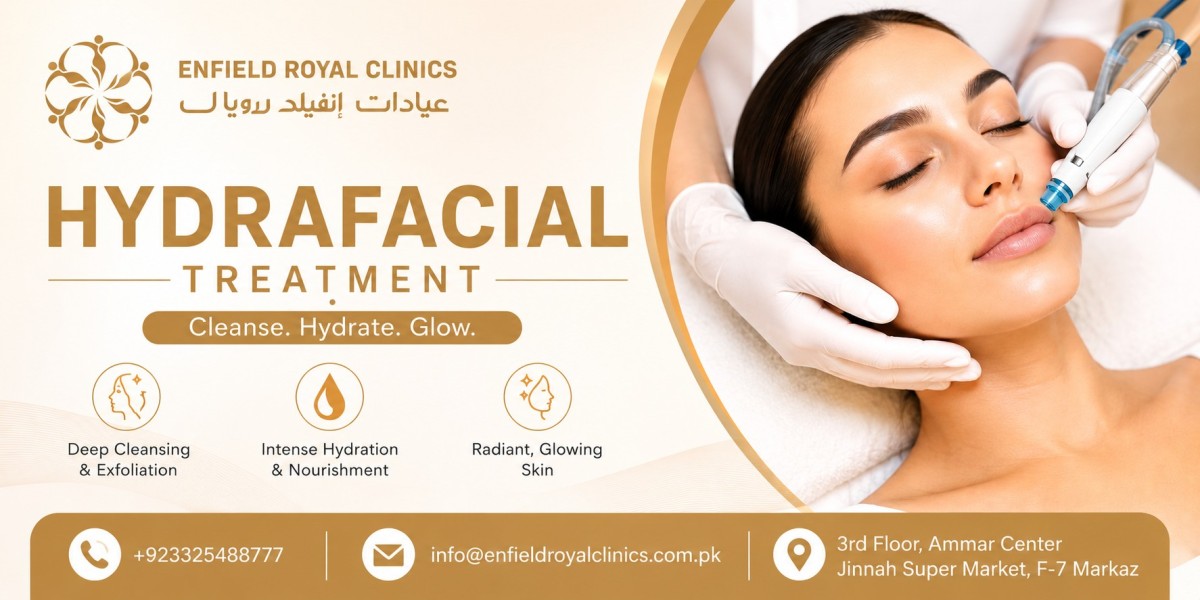

Uneven skin tone is a common concern that can make the complexion look dull, patchy, or less radiant. Differences in skin color may appear because of sun exposure, post-acne marks, dehydration, environmental factors, or natural changes in pigmentation. Many people look for non-invasive treatments that can refresh the skin without significant downtime.
Hydrafacial is a professional skincare treatment that combines cleansing, exfoliation, extraction, and hydration. By removing surface buildup and improving the skin's overall appearance, it may help create a brighter and more even-looking complexion. However, it is important to understand what Hydrafacial can realistically do for pigmentation and uneven tone.
What Causes Uneven Skin Tone?
Uneven skin tone can have several causes. One of the most common is prolonged exposure to ultraviolet rays. Sun exposure can stimulate melanin production and contribute to areas of darker pigmentation.
Acne can also leave behind temporary dark marks after breakouts heal. These marks are particularly common in people whose skin tends to develop pigmentation after inflammation.
Dehydration and dead skin cell buildup can make the complexion appear uneven even when there is no significant pigmentation. Hormonal changes, aging, certain medications, and environmental exposure can also influence skin tone.
Because uneven tone can have different causes, treatment should be selected according to the underlying concern.
How Does Hydrafacial Affect Skin Tone?
Hydrafacial addresses several surface-level factors that can contribute to a dull or uneven appearance. The treatment generally begins with cleansing, followed by gentle exfoliation.
Exfoliation helps remove dead skin cells from the outer surface. This can reveal fresher-looking skin and create a smoother texture.
The treatment also includes extraction to remove impurities from pores and hydration to support a softer, more refreshed appearance. Together, these steps may make the complexion appear brighter and more balanced.
Can Hydrafacial Brighten Dull Skin?
Yes, Hydrafacial may improve the appearance of dull skin. Dead skin cells and surface impurities can make the complexion look tired and less radiant.
Gentle exfoliation removes some of this buildup, while hydration helps create a smoother-looking surface. When the skin texture becomes more even, light can reflect more consistently, which may contribute to a brighter appearance.
This is primarily a cosmetic improvement rather than a permanent change in pigmentation.
Can Hydrafacial Reduce Dark Spots?
Hydrafacial may help improve the overall appearance of some superficial discoloration, but it should not be considered a definitive treatment for every type of dark spot.
Surface exfoliation can remove dead cells and improve skin brightness. However, pigmentation that exists deeper within the skin may require targeted treatments designed specifically for pigmentation concerns.
Depending on the cause and severity of discoloration, a skincare professional may recommend options such as chemical peels, specialized laser treatments, or topical products.
Can Hydrafacial Help With Acne Marks?
Post-acne marks can make the skin appear uneven. Hydrafacial may help improve the overall texture and brightness of skin affected by previous breakouts.
The exfoliation stage removes some surface buildup, while hydration can improve the appearance of dry or rough areas. This may make the complexion look more uniform.
However, persistent or significant pigmentation after acne may require a customized treatment plan. Treating active acne is also important to reduce the formation of new marks.
Does Hydrafacial Improve Skin Texture?
Skin texture and skin tone are closely related in terms of overall appearance. Roughness, clogged pores, and dead skin cells can make the complexion look less even.
Hydrafacial can address some of these surface concerns through gentle exfoliation and extraction. Removing buildup can leave the skin feeling smoother and looking more polished.
If uneven texture is caused by deeper acne scars or significant changes in the skin structure, Hydrafacial alone may not provide enough improvement.
Is Hydrafacial Suitable for All Skin Types?
Hydrafacial can be customized for different skin types and concerns, but individual suitability should always be assessed.
People with oily skin may benefit from cleansing and extraction, while those with dry or dehydrated skin may appreciate the hydration component. Sensitive skin may require gentler settings and carefully selected products.
If the skin is sunburned, severely irritated, infected, or otherwise compromised, treatment may need to be postponed.
A professional consultation can help determine whether Hydrafacial is appropriate for your current skin condition.
How Many Hydrafacial Sessions Are Needed?
There is no fixed number of sessions required to improve uneven skin tone. The answer depends on the cause of the unevenness, your skin type, and your treatment goals.
Some people may notice a fresher complexion after one session, particularly when dullness and surface buildup are contributing to the uneven appearance.
For ongoing skin maintenance, some individuals choose periodic treatments. A professional can assess your progress and recommend an appropriate schedule rather than using an unnecessarily frequent treatment plan.
How Can You Maintain an Even Skin Tone?
Professional treatment should be supported by a consistent home skincare routine. Daily sun protection is especially important because ultraviolet exposure can worsen uneven pigmentation and contribute to premature skin aging.
A basic routine may include:
- Gentle cleansing
- A suitable moisturizer
- Broad-spectrum sunscreen
- Skincare products recommended for your skin type
- Appropriate exfoliation
- Avoiding unnecessary picking or squeezing of blemishes
Consistency is often more important than using a large number of products.
Is Hydrafacial a Permanent Solution for Uneven Tone?
Hydrafacial does not permanently correct pigmentation. The skin continues to experience sun exposure, inflammation, oil production, and natural aging after treatment.
Its main role is to improve the appearance of the skin through cleansing, exfoliation, extraction, and hydration. If uneven tone is caused by a specific pigmentation condition, additional treatment may be necessary.
Professional assessment is particularly useful when discoloration is persistent, spreading, or changing in appearance.
What Should You Expect After Treatment?
Following Hydrafacial, many people notice that their skin looks smoother, cleaner, and more hydrated. The complexion may also appear brighter because surface dead skin cells and impurities have been removed.
Some individuals may experience temporary redness or sensitivity, especially if their skin is reactive. Following professional aftercare instructions can help maintain comfort.
Avoiding excessive sun exposure and using sunscreen are important steps after exfoliating treatments.
Final Thoughts
Hydrafacial can improve the appearance of uneven skin tone by removing surface dead skin cells, cleansing pores, improving hydration, and creating a smoother-looking complexion. It may be particularly helpful when dullness and surface buildup contribute to an uneven appearance.
However, Hydrafacial cannot permanently remove all types of pigmentation or treat every cause of discoloration. Deeper pigmentation, persistent acne marks, or significant sun damage may require other professional treatments.
For the best results, a qualified skincare professional can evaluate the cause of your uneven skin tone and create a treatment plan suited to your individual needs.