
Remote work has changed more than just where we clock in — it's changed what our homes need to do for us. A spare bedroom, garden room, or converted garage now has to perform like an office, which means it needs to stay comfortable, quiet, and productive all year round. For many remote workers, that means investing in proper air conditioning installation rather than relying on a fan and an open window during the summer months.
This guide walks through what to consider before installing air conditioning in a home office, the different system types available, and what the air conditioning installation process actually looks like — plus a few things to know if you're based in and around Milton Keynes.
Why Remote Workers Are Investing in Home Office Air Conditioning
Concentration drops fast once a room creeps above 24–25°C, and home offices are often the worst-affected rooms in the house — south-facing box rooms, garden rooms with lots of glazing, or lofts that trap heat all afternoon. Unlike an air-conditioned commercial office, most homes weren't designed with all-day desk work in mind.
A proper home air conditioning installation solves this at the source, rather than just moving warm air around like a fan does. It also does double duty: the same system that cools the room in summer can usually heat it efficiently in winter, making it a genuinely year-round productivity investment rather than a seasonal one.
What to Consider Before Your Air Conditioning Installation
Room Size and Insulation
The size and insulation of the room determine what capacity unit you'll need. A small box room with good insulation needs far less cooling power than a large garden office with single-glazed windows. An installer should always assess the room properly rather than guessing — undersizing a unit means it never quite keeps up on the hottest days, and oversizing wastes money and creates an uncomfortably cold, noisy environment.
Noise Levels During Work Calls
If you're on video calls throughout the day, the indoor unit's noise level matters more than it would in a living room. Most modern wall-mounted systems run at a low hum in their quietest setting, but it's worth asking your installer specifically about decibel ratings for the unit they're proposing — not just its cooling capacity.
Domestic vs Commercial-Grade Units for Home Offices
This is a common point of confusion. Domestic air conditioning installation typically uses smaller, single or multi-split systems designed for one or two rooms, while commercial air conditioning installation involves larger-capacity systems built for offices, retail units, or multi-room commercial spaces. For most home offices, a domestic-grade system is more than sufficient and considerably more cost-effective — commercial-grade equipment is rarely necessary unless you're cooling an entire home extension or a multi-desk garden studio used by several people.
Types of Home Air Conditioning Installation Suitable for Offices
Wall-Mounted Split Systems
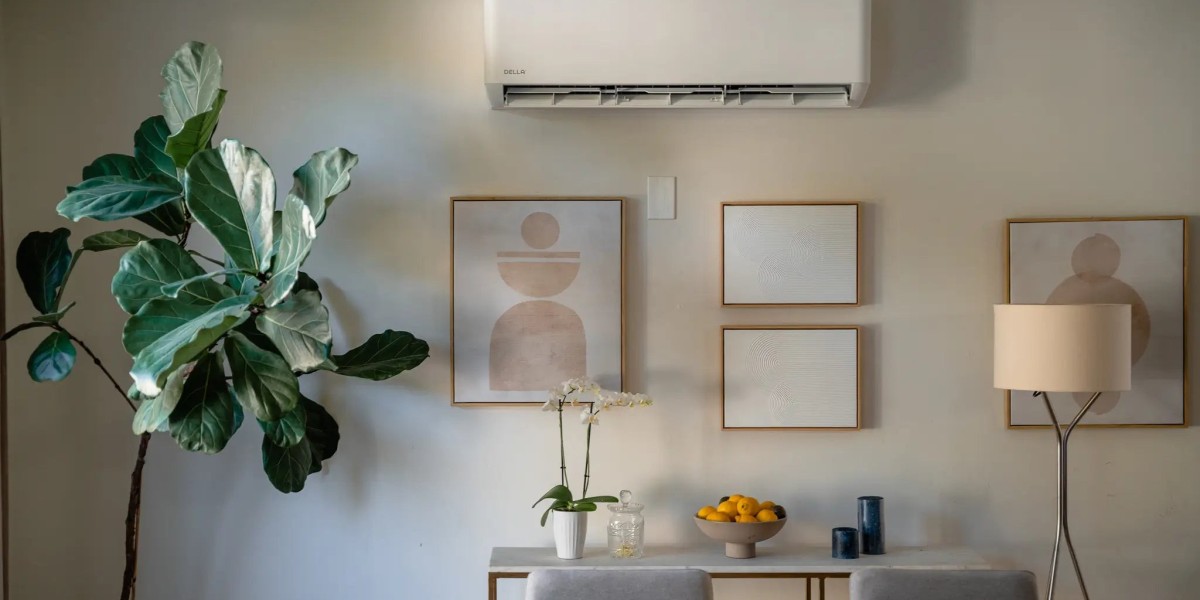
The most common choice for a single home office. A compact indoor unit is mounted on the wall and connected to an outdoor condenser, delivering quiet, efficient cooling (and heating) for one room. This is the standard route for most residential air conditioning installation projects involving a single home office.
Multi-Split Systems for Multi-Room Homes
If you want to cool your office alongside a bedroom or living space, a multi-split system connects several indoor units to one outdoor condenser. This is a popular option for domestic air conditioning upgrades where more than one room needs climate control, without cluttering the outside of the property with multiple external units.
Portable Units
Portable air conditioners can offer short-term relief, but they're generally louder, less efficient, and less effective at maintaining a consistent temperature than a properly installed split system. For anyone working from the same room every day, a fixed installation almost always pays for itself in comfort and running costs.
The Residential Air Conditioning Installation Process: What to Expect
A professional air conditioner installation typically follows a similar process regardless of system size:
- Site survey – An engineer assesses the room, checks wall suitability, and confirms where the outdoor unit can be sited.
- System design – The right unit size and type is selected based on room dimensions, insulation, glazing, and how the space is used.
- Installation day – Indoor and outdoor units are fitted, refrigerant pipework is run and insulated, and electrical connections are completed by a certified engineer.
- Commissioning and handover – The system is tested, settings are explained, and any warranty or maintenance information is provided.
Most single-room domestic installations are completed within a day, with minimal disruption to the rest of the home.
Air Conditioning Installation Milton Keynes: Local Considerations
If you're searching for air conditioning installation Milton Keynes, there are a few local factors worth knowing. Many Milton Keynes homes — particularly newer builds — feature large glazed extensions and garden offices, which are exactly the kind of spaces that overheat quickly in summer and benefit most from a dedicated system.
Choosing local air conditioning installers Milton Keynes homeowners already trust also has practical advantages: faster response times for servicing, familiarity with common local property types, and easier access for warranty or maintenance visits down the line. Whether you're after domestic air conditioning Milton Keynes installers for a single home office or a larger multi-room system, working with an F-Gas certified local team ensures the job is done safely and compliantly from day one.
Tips for Choosing the Right Air Conditioner Installation for Your Home Office
- Get a proper room assessment rather than a unit recommended over the phone — sizing matters more than brand.
- Ask about noise ratings specifically for working environments, not just general cooling performance.
- Check installer certification — F-Gas certification is a legal requirement for anyone handling refrigerant.
- Think about future needs — if you might extend cooling to another room later, a multi-split-ready setup can save money down the line.
- Factor in running costs, not just installation price — modern inverter systems are significantly more efficient than older or portable alternatives.
Frequently Asked Questions
Is air conditioning worth it for a home office? For anyone working from the same room daily, yes — it maintains a consistent, comfortable temperature that a fan or open window can't match, and most systems double as efficient heating in winter.
What size air conditioning unit does a home office need? This depends on room size, insulation, and glazing. A qualified installer will calculate this during a site survey rather than relying on generic size guides.
Do I need commercial air conditioning installation for a home office? Almost never. A domestic-grade system is designed for exactly this kind of single or multi-room residential use and is more cost-effective than commercial-grade equipment.
How long does home air conditioning installation take? Most single-room domestic installations are completed in a day, though multi-split systems covering several rooms can take longer.
Ready to Cool Your Home Office?
Whether you need a single-room system for a garden office or a multi-split setup covering several rooms, getting your air conditioning installation right starts with a proper assessment from certified engineers. If you're based in and around Milton Keynes, get in touch for a free, no-obligation quote and find out what a well-designed home office cooling system could look like for your space.